Water storage systems are typically designed to deliver stable and predictable performance. Yet over time, many systems begin to behave slightly differently than they did at the start of operation. This gradual shift, often referred to as water storage performance drift, does not happen suddenly and is rarely caused by a single factor. Instead, it develops through the accumulation of small changes that influence how the system functions as a whole.
Understanding why performance can drift helps explain why long-term system behavior often diverges from original expectations, even when capacity and usage appear unchanged.
What is Performance Drift in Water Storage Systems
Performance drift describes a slow and incremental change in how a water storage system responds during normal operation. Unlike failures or obvious disruptions, drift is subtle. Flow behavior, system responsiveness, and overall stability may shift slightly over time without triggering immediate concern.
Because these changes occur gradually, they are often mistaken for normal variability. However, when viewed over extended periods, a clear pattern of deviation can emerge.
The Role of Accumulated Internal Changes
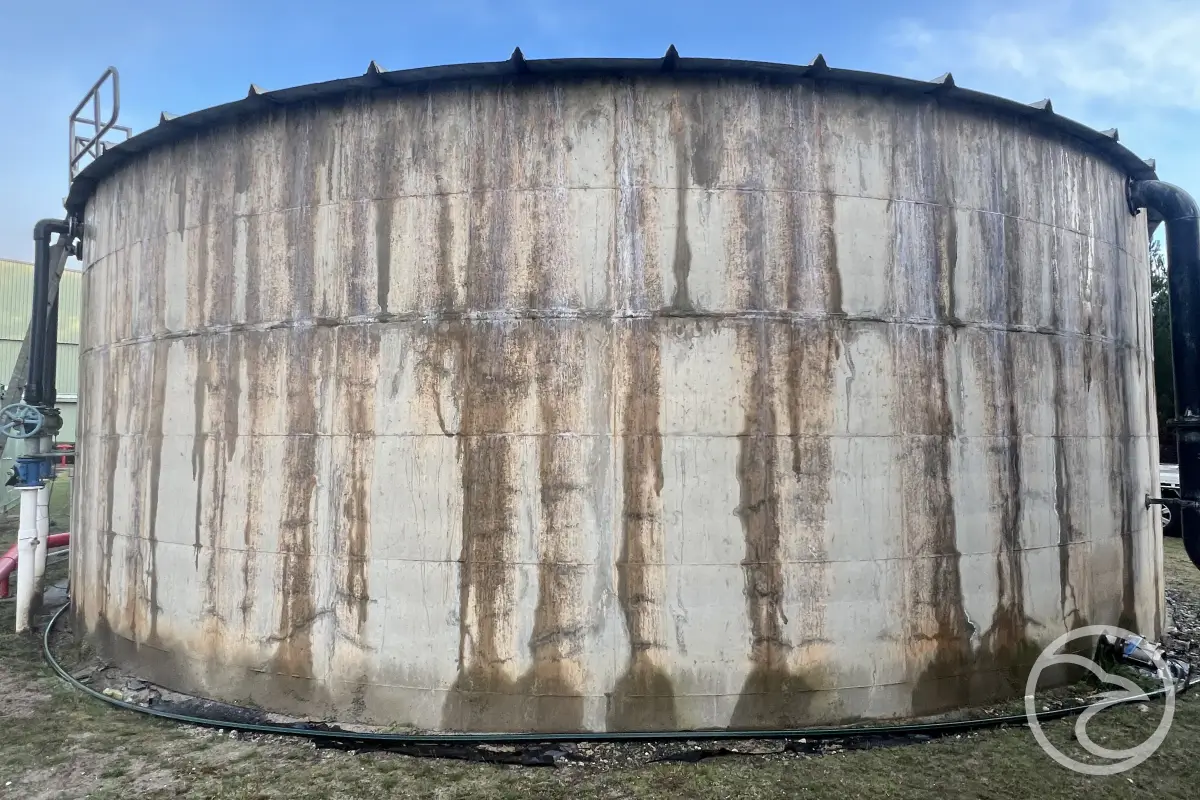
One of the main contributors to water storage performance drift is the accumulation of internal changes. Internal environments evolve as water interacts continuously with tank surfaces and internal conditions. These changes rarely act alone; instead, they combine and compound.
As internal characteristics shift, circulation patterns and internal system dynamics may adjust as well. Over time, these adjustments influence how efficiently the system operates under routine conditions.
Design Expectations Versus Real-World Operation
Water storage systems are designed based on defined assumptions. These assumptions often reflect ideal or controlled conditions. In real-world operation, systems are exposed to variable demand, environmental influences, and long-term use patterns that were not fully predictable at the design stage.
Performance drift highlights the gap between theoretical design behavior and actual long-term operation. While design establishes a baseline, real-world conditions continuously reshape how the system performs.
Influence of Operating Patterns Over Time
Operating patterns play a significant role in long-term performance behavior. Changes in demand cycles, usage intensity, or operational schedules can subtly alter system dynamics. Even when total usage remains similar, the timing and distribution of demand can influence internal system behavior.
These shifts do not indicate improper use. Instead, they reflect the natural evolution of how systems are used as operational needs change over time.
Environmental and External Influences
Environmental conditions also contribute to water storage performance drift. Temperature variations, seasonal changes, and site-specific environmental exposure can affect system behavior gradually. These factors interact with internal conditions, further shaping how the system responds.
Over long periods, environmental influences can introduce small variations that accumulate into noticeable performance differences.
Why Performance Drift is Often Overlooked
One reason water storage performance drift is frequently overlooked is its gradual nature. Systems rarely show clear warning signs during early stages. Performance remains functional, even if it becomes less consistent or predictable.
Because drift does not typically result in immediate disruption, it may only become apparent when performance trends are reviewed over longer timeframes. At that point, the change is often perceived as having occurred suddenly, even though it developed slowly.

Drift Does not Mean Failure
It is important to distinguish performance drift from failure. Drift represents a change in behavior, not a loss of function. Many systems continue to operate reliably despite drifting from original performance benchmarks.
Recognizing this distinction allows organizations to better understand system behavior without assuming that drift automatically signals a problem. Instead, it reflects the natural outcome of long-term operation under evolving conditions.
Understanding Long-Term System Behavior
Water storage performance drift underscores the importance of viewing storage systems as dynamic rather than static assets. Performance is shaped not only by initial design but also by time, usage patterns, and environmental interaction.
By understanding why performance can drift over time, organizations gain a clearer perspective on long-term system behavior and the factors that influence operational consistency.