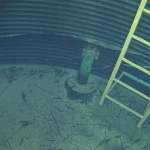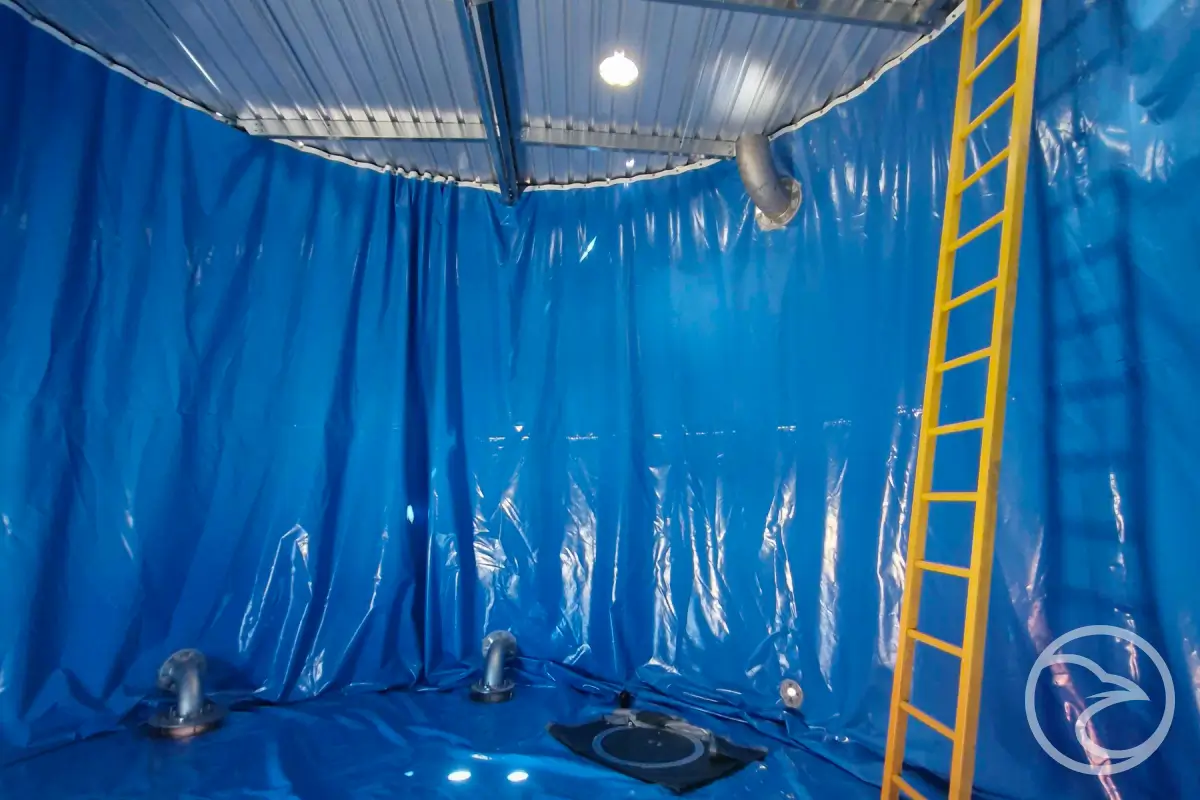
A fire water tank lining protects the internal surfaces of a storage tank from corrosion, leaks, and long-term deterioration. While high-quality liners are designed to last for many years, they do not last forever.
Over time, exposure to water, temperature changes, and normal ageing can reduce a liner’s performance. Small defects may develop gradually and often remain unnoticed until they become more serious.
Recognising the early signs of liner deterioration allows facility owners to plan maintenance before major damage occurs. In many cases, timely relining is far more cost-effective than repairing extensive corrosion or replacing the entire tank.
If you would like to learn more about lining systems, our guide to fire tank linres explains how they work, the materials available, and their role in protecting fire water storage tanks.
This article explains the most common warning signs, what causes liner failure, when repairs are possible, and how to decide whether relining or replacement is the best solution.
Why Fire Water Tank Linings Deteriorate
Even the highest-quality lining system is exposed to continuous wear throughout its service life. Understanding the causes of deterioration makes it easier to identify problems before they affect the tank itself.
Natural Ageing
All lining materials gradually lose flexibility over time. Years of continuous exposure to water, changing temperatures, and normal operating conditions slowly reduce the liner’s performance.
Corrosion Beneath the Liner
If moisture reaches the tank surface through damaged seams or small punctures, corrosion may begin beneath the liner. Because the damage is hidden, it often remains undetected until more significant deterioration has occurred.
Mechanical Damage
Maintenance work, dropped tools, or accidental impacts can damage the liner. Even small tears or punctures may allow water to reach the underlying structure if they are not repaired quickly.
Poor Installation
Incorrect installation is one of the leading causes of premature liner failure. Poorly sealed seams, inadequate surface preparation, or incorrect fitting may reduce the liner’s lifespan and increase the likelihood of leaks.
Water Quality
Sediment, contaminants, or certain chemicals may gradually affect some lining materials. Although fire water is not potable, maintaining good water quality still helps protect the lining and the tank beneath it.
Temperature Changes
Daily and seasonal temperature fluctuations cause the lining to expand and contract. Over many years, this repeated movement may contribute to material fatigue, particularly around seams and pipe penetrations.
Common Signs Your Fire Water Tank Needs Relining
Most liners show visible warning signs before complete failure occurs. Regular inspections make it easier to identify these problems while repairs are still relatively simple.
Visible Corrosion
Rust inside a steel tank often indicates that the lining is no longer providing complete protection. Corrosion should always be investigated promptly to determine whether moisture has reached the tank structure.
Water Leaks
Unexplained water loss is one of the clearest signs that the lining may have failed. Leaks can develop around damaged seams, punctures, or ageing materials and should never be ignored.
Blisters or Bubbling
Raised areas beneath the lining may indicate trapped moisture or loss of adhesion. These defects often continue to spread if left untreated.
Cracks or Tears
Visible cracks, splits, or punctures reduce the liner’s ability to protect the tank. Even small defects may allow water to reach the underlying surface and accelerate deterioration.
Loose or Damaged Seams
Seams are among the most vulnerable parts of any lining system. If seams begin separating or lifting, the watertight seal may no longer be effective.
Water Staining
Discoloured areas around joints or internal surfaces may indicate slow leaks behind the lining. Although staining appears minor, it often points to hidden moisture problems.
Repeated Repairs
If the same sections of the liner require frequent repairs, the material may be approaching the end of its service life. In many cases, complete relining becomes more economical than carrying out repeated local repairs.
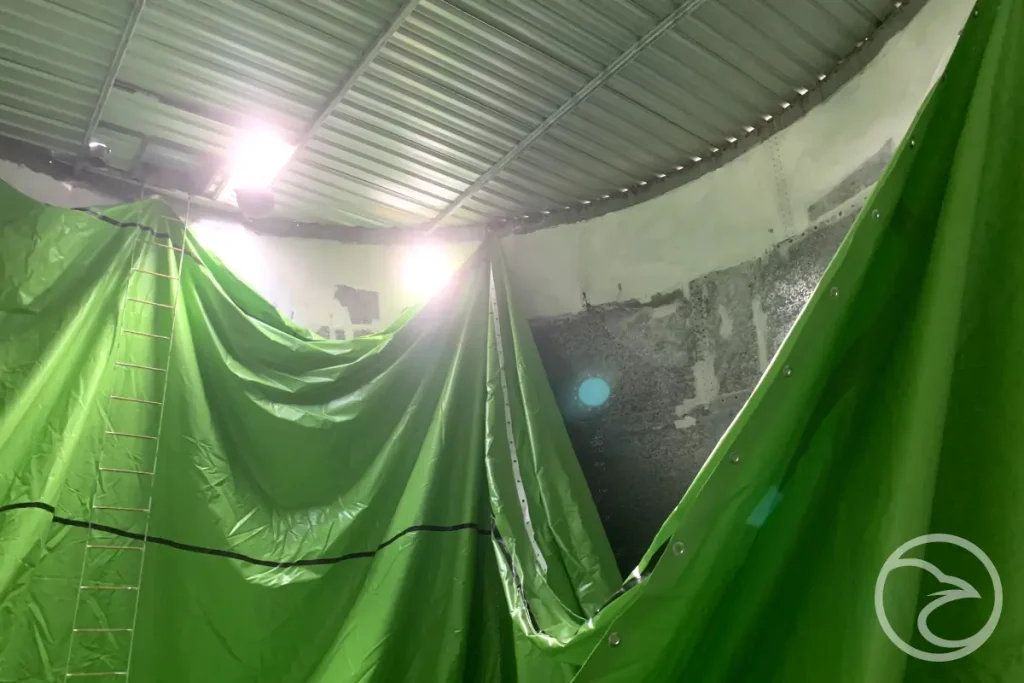
What Happens if You Ignore these Warning Signs?
Minor lining defects rarely remain minor for long. Once water reaches the underlying tank structure, deterioration can accelerate quickly.
Addressing problems early helps prevent more extensive damage and reduces the overall cost of maintenance.
Corrosion Continues to Spread
In steel tanks, damaged liners allow water to reach the metal surface. As corrosion develops, it weakens the structure and increases the likelihood of leaks or more extensive repairs.
Water Loss
Even a small defect can lead to gradual water loss over time. In fire protection systems, reduced storage capacity may affect the availability of water during an emergency.
Structural Damage
If deterioration continues unchecked, the underlying tank may begin to suffer structural damage. Corrosion, moisture penetration, or weakening of internal surfaces can eventually require major repairs or complete replacement.
Higher Repair Costs
Small repairs are usually straightforward and relatively inexpensive. Ignoring early warning signs often results in larger refurbishment projects that require additional labour, materials, and downtime.
Increased Downtime
Emergency repairs are rarely convenient. Unexpected failures may require the tank to be taken out of service, disrupting maintenance schedules and potentially affecting fire protection readiness.
Compliance Risks
Many fire protection systems must meet specific inspection and maintenance requirements. A deteriorated lining may compromise the condition of the storage system and require corrective action to maintain compliance with applicable standards.
How are Fire Water Tank Liners Inspected?
Routine inspections are the most effective way to assess the condition of a fire water tank liner. A professional inspection helps identify early signs of deterioration before they develop into more serious problems.
Most inspections include:
- a visual assessment of the liner
- checking seams and joints
- inspecting around pipe penetrations
- looking for blisters, cracks, or punctures
- identifying signs of corrosion beneath the liner
- checking for leaks or moisture
Where necessary, inspectors may also assess the condition of the underlying tank structure to determine whether relining alone will be sufficient.
Regular fire tank inspections provide valuable information for maintenance planning and help avoid unexpected failures.
Can a Fire Water Tank Liner be Repaired?
Yes. Many lining defects can be repaired if they are identified early. Localised damage does not always require complete relining, particularly when the rest of the lining remains in good condition.
Repairs are commonly suitable for:
- small punctures
- isolated tears
- damaged seams
- localised areas of wear
- minor installation defects
Professional repairs restore the waterproof barrier and help prevent further deterioration of the tank.
However, repairs should address both the visible damage and the underlying cause. Simply patching the affected area without resolving moisture, corrosion, or installation issues may result in recurring problems.
When is Relining the Better Option?
There comes a point where repeated repairs are no longer the most practical solution. Complete relining is often recommended when the existing lining has deteriorated across large areas or is approaching the end of its service life.
Relining is usually the better option when:
- multiple repairs are required
- seams are failing in several locations
- corrosion is developing beneath the liner
- the material has become brittle with age
- water leaks continue to occur
- the lining no longer provides reliable protection
A new lining restores the protective barrier and can significantly extend the service life of the existing tank.
How Much Does Fire Water Tank Relining Cost in Melbourne?
The cost of fire water tank relining depends on several factors. There is no fixed price because every tank differs in size, condition, and construction.
One of the biggest factors is the condition of the existing tank. If corrosion, structural damage, or surface defects are found during the inspection, repairs may be required before the new lining can be installed.
The size of the tank also affects the overall cost. Larger tanks require more lining material, additional labour, and longer installation times.
The type of lining selected is another important consideration. Premium lining materials often have a higher initial cost but may provide a longer service life and lower maintenance requirements.
Project access can also influence pricing. Tanks located in confined spaces or difficult-to-reach areas may require additional equipment or more complex installation methods.
When evaluating costs, it is important to consider the total lifecycle value rather than the installation price alone. Relining an existing tank is often significantly more economical than replacing the entire storage system, particularly when the tank structure remains in good condition.
A professional inspection provides the most accurate recommendation and helps determine whether repair, relining, or replacement is the most cost-effective solution.
How to Extend the Life of Your Fire Tank Liner
Although every liner will eventually require replacement, proper maintenance can significantly extend its service life. Simple preventive measures reduce wear and help identify problems before they become major repairs.
To maximise the lifespan of a fire water tank liner:
- schedule regular inspections
- repair minor defects promptly
- keep the tank clean
- monitor for leaks and moisture
- avoid accidental mechanical damage
- inspect seams and joints during maintenance
- maintain accurate inspection records
A proactive maintenance programme not only extends the life of the lining but also helps protect the underlying tank structure.
Conclusion
A fire water tank liners is designed to protect the storage system, but like any component, it will eventually wear over time. Recognising the early warning signs allows maintenance to be planned before small defects become major structural problems.
Leaks, corrosion, damaged seams, blistering, and repeated repairs should never be ignored. Addressing these issues early often makes relining a practical and cost-effective alternative to replacing the entire tank.
Regular inspections, timely repairs, and preventive maintenance are the most effective ways to maximise the lifespan of both the liner and the fire water tank. With the right maintenance strategy, facilities can improve reliability, reduce long-term costs, and ensure their fire protection system remains ready when it is needed most.