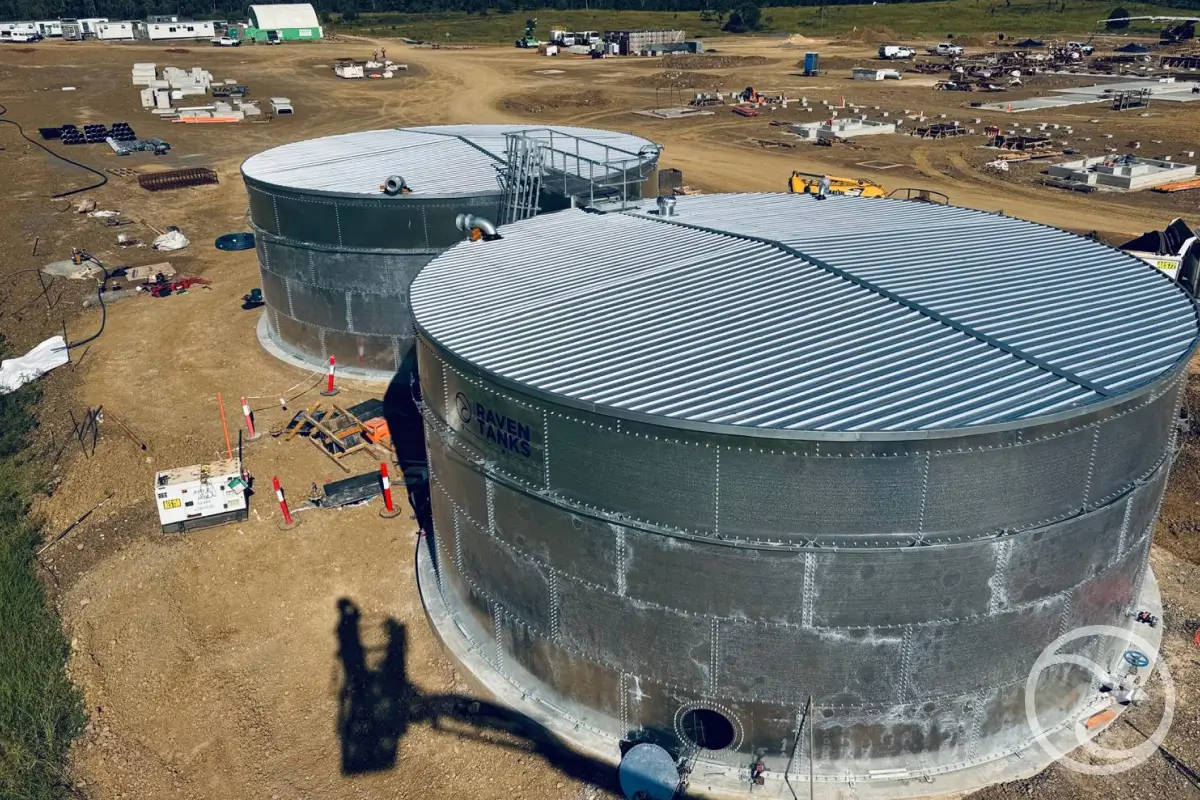
Fire water tanks are among the most important assets within a fire protection system. During an emergency, these tanks provide the water supply required for hydrants, sprinklers, pumps, and other firefighting equipment.
Because these systems may remain unused for long periods, regular inspections are essential. A structured inspection checklist helps ensure that potential issues are identified before they affect performance.
Understanding what inspectors look for during a fire tank assessment can help facility owners improve maintenance planning, support compliance activities, and extend asset lifespan.
Why Fire Tank Inspection Checklists Matter
A fire water tank can appear to be in good condition while hidden defects continue to develop. Corrosion, liner deterioration, sediment accumulation, and structural damage often progress gradually over time.
A comprehensive inspection checklist helps inspectors:
- Follow a consistent process
- Identify defects systematically
- Document findings accurately
- Support preventative maintenance
- Improve compliance outcomes
Many organisations incorporate checklists into their broader fire tank inspection programs to ensure inspections remain thorough and repeatable.
Pre-Inspection Documentation Review
Before assessing the tank itself, inspectors often review existing records. This information helps establish a better understanding of the asset’s history.
Records Commonly Reviewed
Inspectors may examine:
- Previous inspection reports
- Maintenance records
- Repair histories
- Asset documentation
- Compliance records
Reviewing historical information helps identify recurring issues and areas requiring closer attention.
External Tank Inspection Checklist
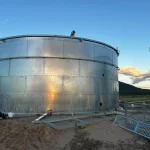
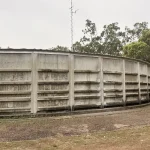
The external assessment provides an overview of the tank’s overall condition. Inspectors look for visible signs of deterioration, damage, and maintenance concerns.
Tank Structure
The tank shell is examined for:
- Corrosion
- Cracking
- Dents
- Surface deterioration
- Structural distortion
Visible defects may indicate more significant underlying problems.
Foundations and Supports
Inspectors assess:
- Foundation stability
- Settlement
- Structural movement
- Support condition
Foundation issues can affect overall tank integrity and should be investigated promptly.
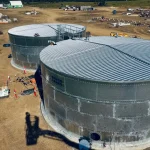
Roof Condition
The roof protects stored water from contamination and environmental exposure.
Inspection items often include:
- Corrosion
- Loose fasteners
- Damaged panels
- Water ingress points
- Structural wear
Roof deterioration can impact both water quality and tank longevity.
Access Equipment Inspection Checklist
Safe access systems are essential for routine maintenance and future inspections.
Inspectors commonly assess:
Ladders
Inspection points include:
- Corrosion
- Structural condition
- Loose fixings
- Safety compliance
Platforms
Inspectors examine:
- Structural integrity
- Surface condition
- Handrails
- Slip hazards
Access Hatches
Hatches should be inspected for:
- Damage
- Corrosion
- Proper sealing
- Ease of operation
Well-maintained access equipment improves safety and supports efficient maintenance activities.
Internal Tank Inspection Checklist
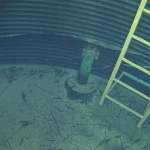
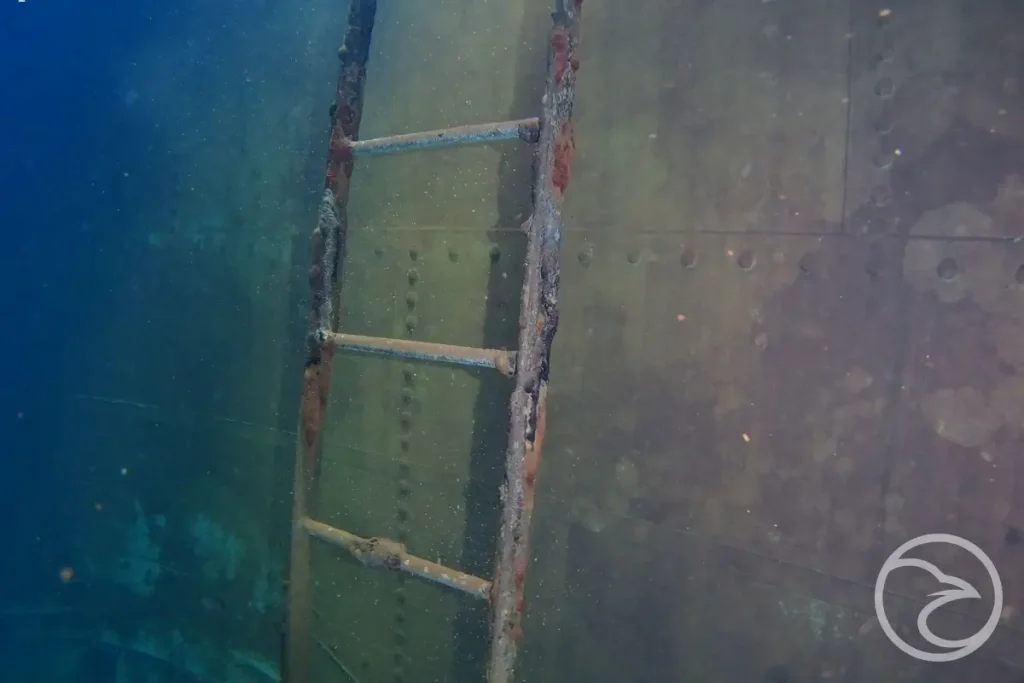
Internal inspections provide the most detailed information about tank condition. These assessments often reveal issues that are not visible externally.
Internal Surfaces
Inspectors review:
- Corrosion
- Coating condition
- Surface deterioration
- Structural damage
Internal surfaces are often exposed to moisture for extended periods, making regular assessments particularly important.
Tank Floor
The tank floor is inspected for:
- Sediment buildup
- Corrosion
- Structural wear
- Material degradation
Floor condition can provide valuable insight into overall asset health.
Internal Supports
Inspectors evaluate:
- Structural integrity
- Corrosion levels
- Mechanical damage
- Connection points
Water Quality and Sediment Assessment Checklist
Water quality can influence both tank performance and long-term asset condition.
Inspectors commonly evaluate:
Sediment Levels
Excessive sediment may:
- Reduce storage capacity
- Affect water quality
- Accelerate deterioration
Monitoring sediment accumulation helps support maintenance planning.
Water Condition
Assessments may consider:
- Visible contamination
- Discolouration
- Organic material
- Debris accumulation
Poor water conditions can indicate broader maintenance concerns.
Modern ROV and drone fire tank inspections are increasingly used to evaluate sediment levels and internal conditions while reducing operational disruption.
Pipework and Valve Inspection Checklist
Pipework and valves are essential for delivering water during an emergency.
Inspectors typically assess:
Pipe Condition
Inspection items include:
- Corrosion
- Leaks
- Mechanical damage
- Structural supports
Reliable pipework is essential for effective system performance.
Valve Operation
Inspectors may verify:
- Accessibility
- Mechanical function
- Leakage
- Signs of deterioration
Valves should operate correctly whenever the system is activated.
Connections and Fittings
Checks often focus on:
- Joint integrity
- Corrosion
- Leakage
- Physical damage
Even minor defects can affect system reliability.
Corrosion Inspection Checklist
Corrosion remains one of the most common fire tank issues. Inspectors carefully evaluate areas where corrosion is most likely to occur.
Common Corrosion Locations
These include:
- Internal tank walls
- Roof structures
- Pipework
- Structural supports
- Fasteners
Early detection helps reduce long-term repair costs.
Corrosion Severity Assessment
Inspectors often classify corrosion according to:
- Surface area affected
- Depth of deterioration
- Structural impact
- Risk level
Many of these findings are explored further in our guide to common fire tank defects.
Safety and Compliance Checklist
Safety considerations form an important part of any inspection.
Inspectors may assess:
- Access safety
- Confined space risks
- Signage condition
- Security measures
- Maintenance access requirements
Compliance-related documentation may also be reviewed during the inspection process.
Understanding AS1851 compliance requirements can help facility owners maintain effective inspection and maintenance programs.
Defect Documentation Checklist
Identifying defects is only part of the inspection process.
Proper documentation is equally important.
Inspectors commonly record:
- Defect descriptions
- Locations
- Photographic evidence
- Severity ratings
- Recommended actions
Accurate records help support maintenance planning and long-term asset management.
Post-Inspection Actions
Once the inspection is complete, findings are reviewed and prioritised.
Recommended actions may include:
- Routine maintenance
- Further investigation
- Repairs
- Cleaning activities
- Structural assessments
The goal is to address issues before they affect operational readiness.
A comprehensive fire tank inspection guide can help facility owners understand how inspection findings should be incorporated into ongoing maintenance programs.
Benefits of Using a Fire Tank Inspection Checklist
A structured checklist provides several important advantages.
These include:
- Improved inspection consistency
- Better defect identification
- Enhanced documentation quality
- More effective maintenance planning
- Improved compliance outcomes
Checklists also help ensure that critical components are not overlooked during inspections.
Conclusion
A fire tank inspection checklist provides a systematic approach to evaluating the condition, safety, and performance of fire water storage systems.
From structural assessments and sediment monitoring to pipework inspections and compliance reviews, each checklist item contributes to a more complete understanding of asset condition.
Regular inspections supported by detailed checklists help facility owners identify defects early, improve maintenance planning, and maintain confidence that fire protection systems will perform when needed most.