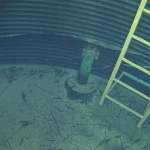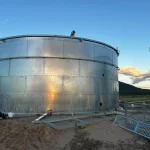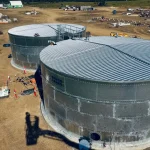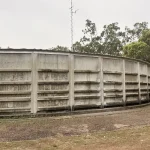
Stormwater detention systems help manage excess runoff and reduce flooding risks. These systems temporarily store stormwater and release it at controlled rates.
Over time, however, maintenance issues can reduce system efficiency and increase operational problems. Without proper upkeep, stormwater detention infrastructure may fail to perform as designed, increasing the need for stormwater detention inspections.
Understanding how maintenance problems affect detention performance helps property owners reduce long-term repair costs and improve system reliability.
Why Stormwater Detention Maintenance Matters
Stormwater detention systems operate under constant environmental stress. Rainfall, debris, sediment, and runoff contaminants gradually affect system components. Without routine maintenance, these conditions can reduce storage capacity and drainage performance.
Poor maintenance may also increase the risk of:
- localized flooding
- blocked drainage
- structural deterioration
- compliance issues
Facilities responsible for drainage infrastructure often review stormwater detention infrastructure compliance to better understand operational standards and maintenance responsibilities.
Sediment Accumulation Reduces Storage Capacity
Sediment buildup is one of the most common maintenance problems affecting detention systems. Stormwater runoff carries dirt, sand, and debris into detention structures. Over time, these materials settle at the bottom of the system.
Excess sediment reduces available water storage capacity. As capacity decreases, the system may struggle during heavy rainfall events.
Sediment accumulation can also restrict water flow and increase drainage pressure. Routine cleaning helps maintain proper system performance and water retention capacity.
Blocked Inlet and Outlet Structures
Inlet and outlet structures control stormwater movement through the detention system. Leaves, trash, and debris may block these components over time. Restricted flow can prevent the system from operating efficiently.
Blocked outlets may cause:
- standing water
- overflow problems
- increased erosion
- drainage delays
Regular inspections help identify blockages before severe flooding issues develop. Many maintenance teams also use stormwater detention inspection checklist procedures to monitor drainage components and improve preventive maintenance planning.
Vegetation Overgrowth
Uncontrolled vegetation may affect stormwater detention performance. Excessive plant growth can obstruct drainage pathways and reduce water movement.
Tree roots may also damage pipes, liners, or structural components. Overgrown vegetation sometimes hides structural damage or blocked drainage areas during inspections.
Routine vegetation management improves accessibility and system visibility.
Erosion Around the System
Stormwater systems experience continuous water movement during rainfall events. Without proper maintenance, erosion may develop around embankments, channels, and discharge areas. Erosion weakens structural stability and increases sediment movement into the detention system.
Common erosion problems include:
- soil displacement
- embankment deterioration
- exposed pipework
- channel damage
Early repairs help reduce larger structural maintenance costs.
Standing Water and Drainage Delays
Standing water often indicates maintenance or drainage problems. Detention systems should gradually release stored water after rainfall events. If water remains for extended periods, drainage efficiency may be compromised.
Poor drainage may result from:
- sediment buildup
- blocked outlets
- damaged pipes
- structural defects
Persistent standing water can also encourage mosquito activity and biological growth. Facilities noticing drainage delays should schedule inspections immediately.
Structural Deterioration
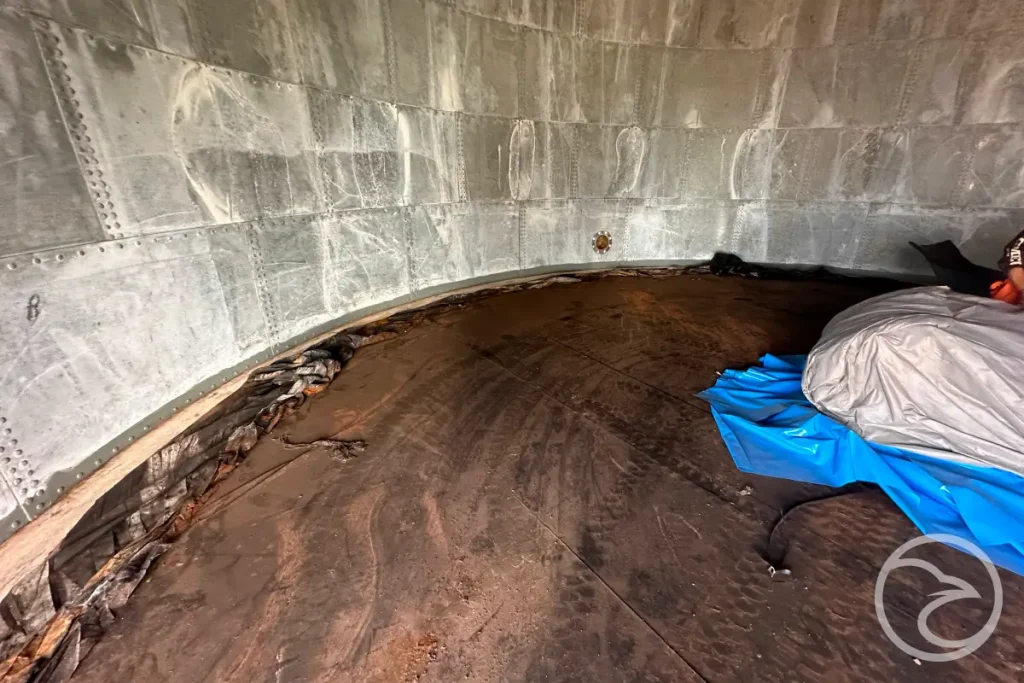
Stormwater detention systems may gradually deteriorate without regular maintenance. Concrete cracking, corrosion, liner damage, and joint separation can affect structural performance. Environmental exposure and continuous water pressure increase long-term wear.
Structural problems may reduce:
- water containment
- drainage control
- operational safety
- system lifespan
Routine inspections help detect deterioration before major failures occur.
Pipe and Drainage System Damage
Internal pipework plays a critical role in stormwater management. Damaged or collapsed pipes may restrict water flow and increase flooding risks.
Pipe issues often develop due to:
- corrosion
- root intrusion
- shifting soil
- heavy sediment loads
Underground damage may remain hidden without professional inspections. Drainage system monitoring helps identify flow restrictions early.
Poor Water Quality Conditions
Stormwater detention systems collect runoff containing pollutants and contaminants.
Without maintenance, water quality may decline due to:
- organic buildup
- stagnant water
- sediment accumulation
- biological growth
Poor water quality may affect surrounding environments and increase system maintenance requirements. Cleaning and proper drainage management help reduce contamination risks.
How Preventive Maintenance Improves Performance
Preventive maintenance supports long-term stormwater detention efficiency.
Routine maintenance activities include:
- debris removal
- sediment cleaning
- vegetation control
- structural inspections
- drainage testing
Consistent maintenance improves system reliability during heavy rainfall events. Preventive maintenance also reduces emergency repair costs and operational disruptions.
Why Regular Inspections are Important
Inspections help identify hidden maintenance issues before they worsen.
Professional inspections evaluate:
- structural condition
- drainage efficiency
- erosion damage
- sediment levels
- pipe performance
Early detection allows facilities to address problems before major flooding or infrastructure damage occurs. A proactive inspection program improves long-term detention system performance.
Final Thoughts
Maintenance issues can significantly reduce stormwater detention system performance. Sediment buildup, blocked drainage structures, erosion, standing water, and structural deterioration all affect operational efficiency.
Regular maintenance and inspections help detention systems operate safely and effectively during storm events. Proactive maintenance planning improves drainage performance, reduces repair costs, and supports better management of stormwater detention maintenance issues while extending infrastructure lifespan.