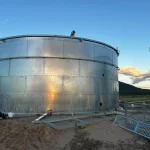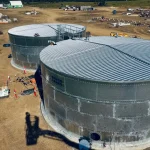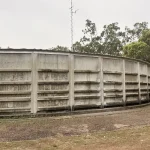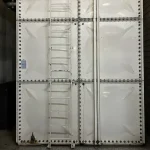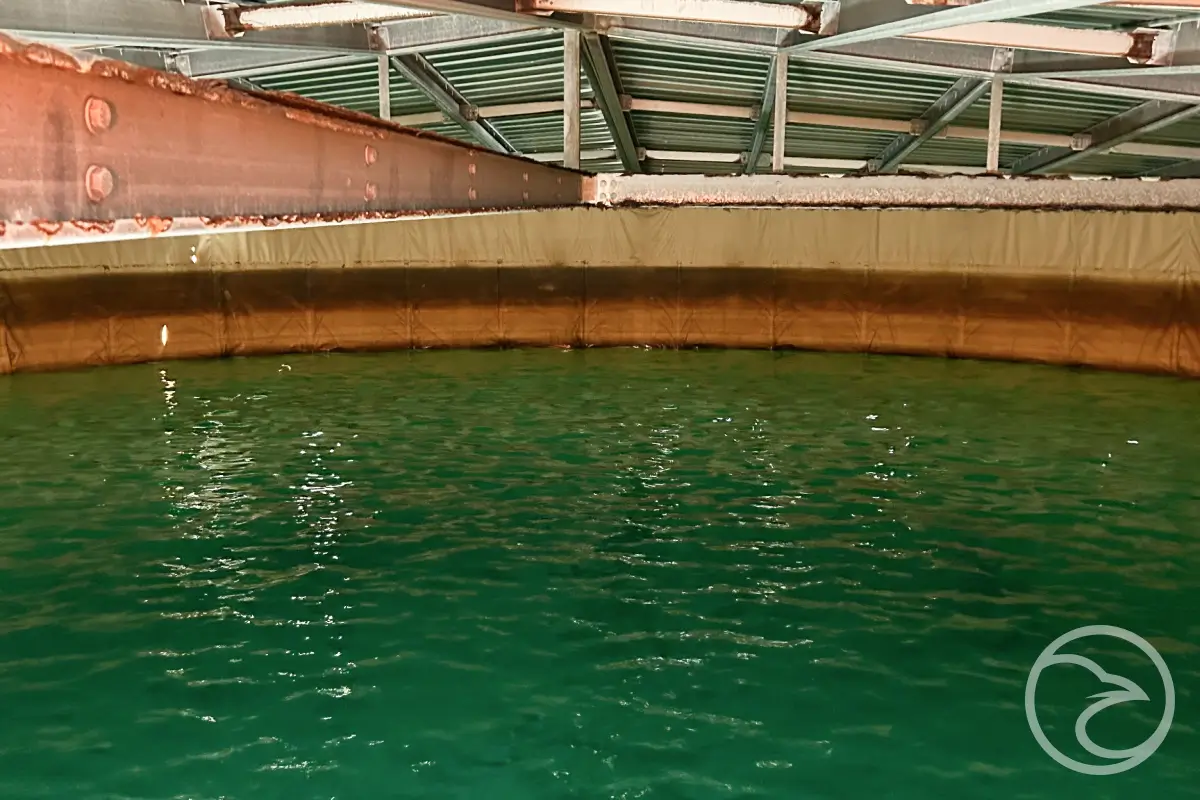
Storage tanks are designed to provide long-term, reliable containment for water across industrial, commercial, and municipal applications. However, the lifespan of a storage tank is influenced not only by its material and construction quality but also by the condition of the water it holds. Poor water quality can accelerate deterioration processes and reduce the effective service life of tank systems. Understanding the water quality effects tanks experience over time helps explain why some tanks degrade faster than expected.
This article explores how water quality impacts storage tank lifespan, focusing on underlying mechanisms rather than maintenance actions or service solutions.
Why Water Quality Matters Inside Storage Tanks
Water inside a tank is not a static element. Over time, its chemical composition, temperature, and biological content can change, especially in systems with limited circulation or infrequent turnover. These changes influence how water interacts with internal tank surfaces and components.
When water quality deviates from stable conditions, it can create environments that promote corrosion, material breakdown, or biological activity. Even small imbalances, if sustained, may contribute to long-term degradation.
Chemical Factors that affect Tank Lifespan
One of the most significant water quality effects tanks experience is chemical interaction with internal surfaces. Parameters such as pH, dissolved oxygen, and mineral content play a key role in material performance.
For example:
- Low or fluctuating pH can increase corrosive activity
- High dissolved oxygen levels may accelerate oxidation processes
- Mineral-rich water can lead to scaling or uneven surface deposits
These chemical factors often act gradually, making their impact difficult to detect until visible signs of deterioration appear.
Biological Activity and its Influence
Poor water quality can also encourage biological growth within storage tanks. Microorganisms may develop when nutrients are present and water remains stagnant for extended periods.
Biological activity can contribute to:
- localized surface attack beneath deposits
- changes in water chemistry near tank walls
- uneven deterioration patterns
While biological growth does not always cause immediate damage, its presence can amplify other water quality effects tanks are exposed to over time.
Sediment and Suspended Solids
Sediment accumulation is another factor linked to declining water quality. Suspended solids may settle on the tank floor or adhere to internal surfaces, particularly in low-flow systems.
Over time, sediment layers can:
- trap moisture against surfaces
- create differential chemical environments
- conceal early signs of corrosion or material wear
These conditions may accelerate degradation while remaining largely hidden during routine visual checks.

Temperature and Water Stability
Temperature variations influence how water behaves inside a storage tank. Warmer water can increase reaction rates, while temperature fluctuations may contribute to condensation and moisture cycling.
When water quality is already compromised, temperature effects can intensify existing issues. Combined chemical, biological, and thermal factors often explain why tanks in similar environments age at different rates.
Long-Term Impact on Tank Performance
The cumulative impact of poor water quality is rarely immediate failure. Instead, it manifests as a gradual reduction in tank performance and durability.
Common long-term outcomes include:
- shortened effective lifespan
- increased internal surface deterioration
- greater variability in inspection findings
- reduced reliability over time
Understanding these outcomes highlights why water quality should be considered alongside structural and environmental factors when assessing tank longevity.
Why Awareness of Water Quality Effects Matters
Recognising the water quality effects tanks experience allows asset owners and operators to better interpret changes in tank condition over time. It also explains why tanks exposed to similar external conditions may perform differently internally.
By understanding how water chemistry, biological activity, sediment, and temperature interact, stakeholders gain clearer insight into the mechanisms that influence storage tank lifespan—without reducing the discussion to maintenance actions or service interventions.
Final Thoughts
Poor water quality can significantly shorten storage tank lifespan through a combination of chemical, biological, and physical processes. These effects often develop slowly and interact with one another, making them easy to overlook in the early stages. Understanding how water quality influences internal tank conditions provides valuable context for evaluating long-term performance and durability across a wide range of storage applications.
For readers looking to better understand how internal conditions are evaluated over time, additional context is available through storage tank condition assessments.