Does Every Sign of Damage Require GRP Tank Repair?
Not every visible change requires the same response. The appropriate action depends on the defect and its underlying cause. Some conditions may only require monitoring or routine maintenance.
Others can require targeted repairs or component replacement.
Possible responses include:
- continued condition monitoring;
- cleaning and maintenance;
- joint resealing;
- fitting replacement;
- localised GRP repair;
- individual panel replacement;
- structural or support repairs;
- broader tank rehabilitation.
The location of damage also matters. A small defect in a critical area may require more attention than larger cosmetic surface damage. Recurring problems deserve particular consideration.
Repeatedly repairing the same area may indicate an unresolved underlying cause. Assessment should therefore come before the final repair decision.
How GRP Tank Damage is Assessed Before Repair
Effective GRP tank repair starts with understanding what has failed. Repairing only the visible symptom can allow the same problem to return. An assessment should consider the location and extent of visible damage.
It should also examine surrounding components where appropriate.
For example, an assessment may consider:
- crack location and extent;
- panel surface condition;
- signs of leakage;
- seals and joints;
- fittings and connections;
- nearby panels;
- supports and structural components;
- evidence of movement;
- previous repair areas;
- overall tank condition.
The tank’s history can provide additional context. Repeated leakage or previous repairs may reveal patterns that are not immediately visible. Operating conditions should also be considered.
Changes in use can sometimes contribute to unexpected deterioration. The assessment should establish whether the problem is isolated or part of a wider condition.
That distinction directly influences the appropriate repair strategy.
Common GRP Tank Repair Options
There is no single repair method suitable for every damaged GRP tank. The chosen approach should reflect the type, location, and severity of the problem.
Professional water tank repairs can address leaks, damaged components, and other defects based on the tank’s condition.
Localised GRP Repairs
Some panel defects may be suitable for localised repair. These can include certain cracks, damaged surfaces, or other limited defects. The affected area should first be assessed to determine the full extent of damage.
Repair materials must also remain compatible with the existing GRP system. A successful repair should address more than appearance.
It should restore the required performance of the affected area. The cause of the original damage must also be considered.
Joint and Seal Repairs
Leaks around panel connections may require joint or seal repairs rather than GRP panel work. This distinction can prevent unnecessary intervention. The affected joint should be assessed alongside nearby panels.
Existing sealing materials may require removal or replacement depending on their condition. Recurring seal problems can indicate movement or another underlying issue.
In that situation, simply resealing the joint may provide only a temporary solution.
Fitting and Connection Repairs
Leaks can also develop around tank fittings and pipe connections. The fitting, seal, surrounding panel, and connected pipework may all require assessment. Repair could involve replacing or resealing the affected component.
Damage around the GRP opening may require additional work. Again, determining the cause is essential. External pipe stress should not continue after the repair is completed.
GRP Panel Replacement
Localised repair is not always the most suitable option. Extensive panel damage may make individual panel replacement more appropriate. Modular GRP construction can provide an advantage in these situations.
An affected component may sometimes be replaced without replacing the complete tank. However, panel replacement still requires careful assessment and planning.
Adjacent components should also be checked for related deterioration.
Structural and Support Repairs
Not every tank problem originates within the GRP material. Support systems or other structural components may contribute to deformation and movement. These issues need to be addressed at their source.
Repairing a damaged panel without correcting a support problem can allow damage to return. A broader assessment may therefore be necessary before completing GRP repairs.
Should a Damaged GRP Tank be Repaired or Replaced?
Visible damage does not automatically mean the entire tank requires replacement. Many factors influence the repair-versus-replacement decision. The extent of deterioration is one important consideration.
The number of affected panels and components also matters. Tank age should be considered alongside actual condition. An older tank in good condition may remain suitable for targeted repairs.
A newer tank with widespread structural problems may require a different approach. Previous repair history can also influence the decision. Repeated problems across multiple areas can indicate broader deterioration.
Other important factors include tank application and operational importance. Access for repair work may also affect the available options.
The decision should therefore consider the complete tank rather than one isolated defect.
Why Delaying GRP Tank Repairs can Create Larger Problems
Some tank defects appear minor when they first develop. That does not mean they should be ignored. A small leak can gradually affect seals, joints, supports, or surrounding areas.
Cracks can also change under continued operating loads. Water loss itself can create operational and maintenance problems. Recurring wet areas may also make the original leak source harder to identify.
Early assessment provides more repair options. It can also help determine whether the condition requires immediate work or planned maintenance. Delaying assessment removes that opportunity.
The goal is not to repair every minor surface mark. It is to identify meaningful deterioration before it becomes more difficult to manage.
How Regular Maintenance Helps Prevent GRP Tank Damage
Maintenance remains important even when the tank material does not rust. A complete GRP tank contains many components requiring ongoing attention. Regular water tank maintenance can help identify changes before they develop into larger problems.
Maintenance may include checking accessible joints, seals, fittings, panels, and connections. Tank cleanliness should also form part of the maintenance approach.
Records are particularly useful for long-term asset management. They can show whether a defect is new, stable, or gradually becoming more significant. Maintenance also provides an opportunity to review previous repairs.
Recurring problems can then receive further investigation. A planned approach is generally more effective than waiting for obvious leakage or failure.
When Should a GRP Tank be Professionally Inspected?
Inspections provide a more detailed understanding of tank condition. They become particularly important when new or unusual changes appear. Professional assessment should be considered when there are visible cracks or unexplained leaks.
Unusual panel deformation also deserves investigation. Other reasons can include recurring joint problems, impact damage, or unexpected water loss. Changes around fittings and connections may also require closer examination.
Previous repair areas should be monitored for signs of recurring deterioration. The inspection should consider more than the most obvious defect. Surrounding components can provide important information about the underlying cause.
Regular inspection also supports preventative maintenance. It creates a clearer picture of how tank condition changes throughout its service life.
Early Assessment Supports More Effective GRP Tank Repairs
GRP panel tanks provide durable water storage, but they can still develop damage over time. Cracks, leaks, deteriorating seals, deformation, and surface damage are important warning signs. Problems can also develop around fittings, joints, supports, and other tank components.
The visible symptom does not always reveal the underlying cause. For this reason, proper assessment should come before repair. Some problems may require simple maintenance or resealing.
Others may require GRP tank repairs, panel replacement, or structural work. Not every damaged tank needs complete replacement. Early identification can provide more options for managing localised deterioration.
Regular maintenance and inspections also help detect developing issues before they become more extensive. Understanding the warning signs is therefore an important part of responsible GRP tank management.
GRP panel tanks are designed to provide durable and corrosion-resistant water storage. However, corrosion resistance does not make a tank immune to damage. Panels, seals, joints, fittings, and structural components can deteriorate during the tank’s service life.
Damage can result from ageing, impact, installation issues, movement, or unsuitable operating conditions. Some problems remain minor when identified early. Others can develop into leaks, structural concerns, or recurring maintenance problems.
Recognising the signs of damage in GRP panel tanks can support earlier assessment and more appropriate repairs. This guide explains common warning signs, their possible causes, and available GRP tank repair options.
Understanding the GRP tank advantages also helps explain why these systems remain widely used despite potential maintenance and repair needs.
Can GRP Panel Tanks Become Damaged?
GRP stands for glass reinforced plastic. The material combines glass fibre reinforcement with a polymer resin to create strong, corrosion-resistant panels. These properties make GRP panel tanks a practical option for many commercial and industrial water storage applications.
However, a GRP tank contains much more than reinforced panels. Seals connect individual sections and help maintain watertight joints. Fittings, bolts, supports, connections, and other components also contribute to reliable operation.
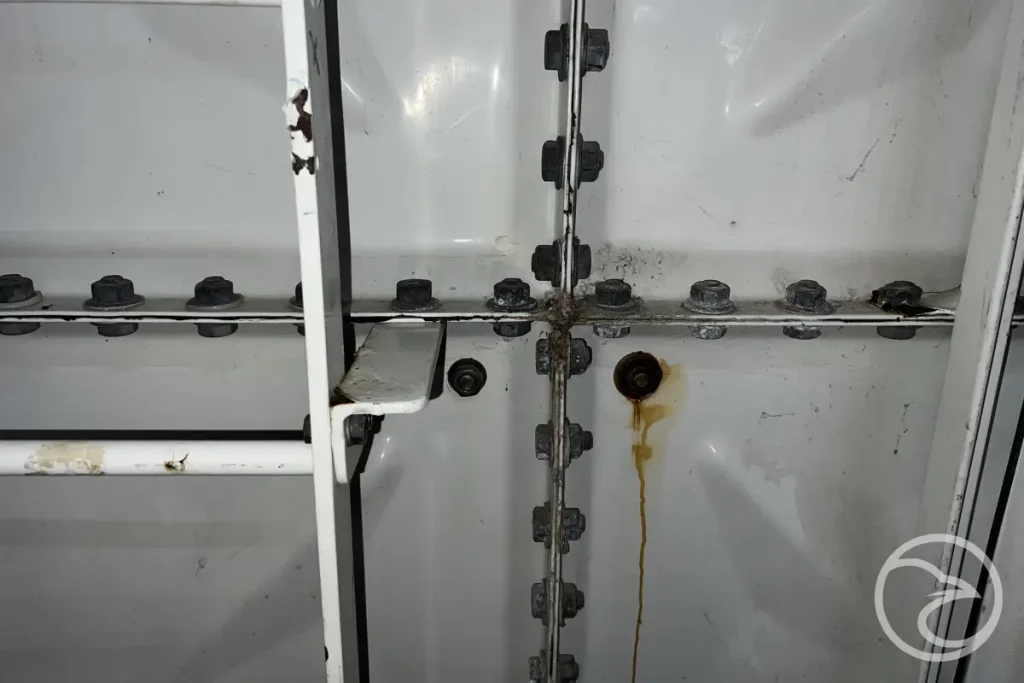
Problems can develop in any of these areas. A leaking GRP tank does not necessarily have a damaged panel. The source could be a deteriorated seal, loose connection, damaged fitting, or another component.
Likewise, visible surface damage does not always indicate serious structural deterioration. Professional assessment helps establish the type, extent, and cause of the problem.
Common Signs of Damage in GRP Panel Tanks
Changes in tank condition should not automatically be considered serious damage. However, certain warning signs deserve further investigation.
Early identification can make it easier to determine appropriate maintenance or repair requirements.
Visible Cracks in GRP Panels
Cracks are among the clearest signs that a GRP panel requires assessment. They can vary considerably in size, depth, and severity. Some defects may affect only the surface layer.
Others can extend deeper into the reinforced structure. Cracks can develop following impact, excessive stress, movement, ageing, or other conditions. Their location can also provide useful information about the possible cause.
A crack should not be judged by length alone. Small visible defects may require further investigation to determine their actual depth. Ignoring developing cracks can allow deterioration to progress.
Assessment can determine whether localised repair or more extensive work is appropriate.
Water Leaks
Unexplained water around a tank should always receive attention. Leaks are also one of the most noticeable signs of a developing tank problem. However, finding water does not identify the cause.
Leakage can originate from several areas, including:
- panel joints;
- deteriorated seals;
- fittings and connections;
- pipe penetrations;
- damaged panels;
- other tank components.
The source should be identified before repair work begins. Simply sealing the visible wet area may not address the underlying problem.
Recurring leakage can indicate that the original cause remains unresolved.
Damaged or Deteriorating Seals
GRP panel tanks rely on joints between individual sections. Sealing systems help keep these connections watertight. Seals can deteriorate because of age, movement, installation conditions, or environmental exposure.
Visible deterioration may appear around panel joints. Small leaks can also indicate that a seal is no longer performing correctly. Importantly, seal failure does not necessarily mean the GRP panel itself requires repair.
The condition of surrounding panels and connections should still be assessed. In some cases, targeted joint or seal work may address the problem.
Bulging or Panel Deformation
GRP tank panels are designed to operate within specific structural conditions. Unusual bulging or deformation should therefore receive further investigation. Several factors can contribute to visible changes in panel shape.
These can include structural loads, support problems, movement, or installation issues. Deformation may also involve components beyond the GRP panel itself.
The surrounding structure and tank supports can influence panel behaviour. For this reason, replacing or repairing the visible area alone may not solve the problem.
The underlying structural conditions should be assessed first.
Surface Damage and Exposed Fibres
Not every GRP defect begins as a large crack. Localised surface damage can include chips, scratches, worn areas, or exposed reinforcement. Impact during operation or maintenance can contribute to these problems.
Surface deterioration may also develop gradually. The severity depends on the depth and extent of the affected area. Some marks may be largely cosmetic.
Other damage can compromise protective layers and expose the reinforced material beneath them. A visual assessment alone may not always establish the difference.
Questionable areas should therefore be examined before deterioration progresses.
Problems Around Fittings and Connections
Tank fittings create important connection points within a water storage system. Problems can develop around inlets, outlets, overflows, drains, and other penetrations. Warning signs may include leakage, movement, damaged seals, or visible deterioration.
These problems should not automatically be attributed to the surrounding GRP. The fitting itself may be responsible. Movement in connected pipework can also place unwanted stress around tank connections.
Identifying the actual source helps avoid unnecessary panel repairs. It can also reveal external factors contributing to repeated damage.
Internal Surface Changes
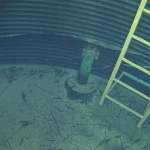
External inspections cannot reveal every developing problem. Some changes are only visible inside the tank. Internal surfaces may show localised deterioration, cracking, damage, or unusual wear.
The significance of these conditions depends on their location and extent. Previous repairs may also require assessment during later inspections.
Internal examination can provide a more complete understanding of overall tank condition. Any inspection must follow appropriate access and safety procedures.
Changes in Stored Water Condition
Changes in water condition do not automatically indicate GRP damage. However, unusual conditions can provide a reason for further investigation. Unexpected debris or material inside the tank may require closer examination.
Sediment and contamination can have many possible causes. They should not immediately be attributed to deteriorating GRP. The tank’s internal condition, maintenance history, and water source should all be considered.
A proper inspection can help determine whether the tank itself contributes to the issue.
What Causes Damage to GRP Tanks?
Visible damage often represents the result of another underlying problem. Understanding that cause is an important part of planning GRP tank repairs.
Several factors can contribute to deterioration.
Ageing and Long-Term Service
Tank components naturally experience changes during long-term operation. Seals, fittings, joints, and other components may deteriorate at different rates. Previous maintenance also affects long-term condition.
Older tanks may therefore require closer monitoring. Age alone does not determine whether a tank requires replacement.
Its actual condition provides more useful information.
Impact Damage
Accidental impacts can damage GRP surfaces or other tank components. The visible affected area may appear small.
However, the full extent of damage may not always be obvious from the surface. Impact locations should be examined carefully.
This is particularly important where reinforcement appears exposed or cracking develops around the affected area.
Installation Problems
Correct installation plays an important role in tank performance. Poor assembly can create problems around joints, seals, fittings, supports, or panels.
Some installation-related problems may only become noticeable after the tank enters service. Recurring leaks can sometimes indicate a broader installation issue.
Repair planning should therefore consider the original cause rather than only the visible symptom.
Foundation or Support Problems
A tank depends on appropriate support throughout its service life. Changes beneath or around the tank can influence how loads are distributed. Movement may place unexpected stress on panels, joints, or connections.
Visible deformation could therefore indicate a problem outside the affected panel. Structural and support conditions should be considered during assessment.
Unsuitable Operating Conditions
GRP systems are designed for defined operating conditions. Changes in stored liquids, temperatures, or loads can affect tank performance. Chemical compatibility is particularly important when storing liquids other than standard water.
Different GRP systems can have different material properties. Operating conditions should remain consistent with the original tank specification.
Poor or Delayed Maintenance
Small defects can become more difficult to manage when left unattended. A minor leak may affect surrounding components over time. Damaged seals can also place additional demands on neighbouring joints.
Routine maintenance provides opportunities to identify these changes earlier. Maintenance records can also help reveal recurring problems.
Does Every Sign of Damage Require GRP Tank Repair?
Not every visible change requires the same response. The appropriate action depends on the defect and its underlying cause. Some conditions may only require monitoring or routine maintenance.
Others can require targeted repairs or component replacement.
Possible responses include:
- continued condition monitoring;
- cleaning and maintenance;
- joint resealing;
- fitting replacement;
- localised GRP repair;
- individual panel replacement;
- structural or support repairs;
- broader tank rehabilitation.
The location of damage also matters. A small defect in a critical area may require more attention than larger cosmetic surface damage. Recurring problems deserve particular consideration.
Repeatedly repairing the same area may indicate an unresolved underlying cause. Assessment should therefore come before the final repair decision.
How GRP Tank Damage is Assessed Before Repair
Effective GRP tank repair starts with understanding what has failed. Repairing only the visible symptom can allow the same problem to return. An assessment should consider the location and extent of visible damage.
It should also examine surrounding components where appropriate.
For example, an assessment may consider:
- crack location and extent;
- panel surface condition;
- signs of leakage;
- seals and joints;
- fittings and connections;
- nearby panels;
- supports and structural components;
- evidence of movement;
- previous repair areas;
- overall tank condition.
The tank’s history can provide additional context. Repeated leakage or previous repairs may reveal patterns that are not immediately visible. Operating conditions should also be considered.
Changes in use can sometimes contribute to unexpected deterioration. The assessment should establish whether the problem is isolated or part of a wider condition.
That distinction directly influences the appropriate repair strategy.
Common GRP Tank Repair Options
There is no single repair method suitable for every damaged GRP tank. The chosen approach should reflect the type, location, and severity of the problem.
Professional water tank repairs can address leaks, damaged components, and other defects based on the tank’s condition.
Localised GRP Repairs
Some panel defects may be suitable for localised repair. These can include certain cracks, damaged surfaces, or other limited defects. The affected area should first be assessed to determine the full extent of damage.
Repair materials must also remain compatible with the existing GRP system. A successful repair should address more than appearance.
It should restore the required performance of the affected area. The cause of the original damage must also be considered.
Joint and Seal Repairs
Leaks around panel connections may require joint or seal repairs rather than GRP panel work. This distinction can prevent unnecessary intervention. The affected joint should be assessed alongside nearby panels.
Existing sealing materials may require removal or replacement depending on their condition. Recurring seal problems can indicate movement or another underlying issue.
In that situation, simply resealing the joint may provide only a temporary solution.
Fitting and Connection Repairs
Leaks can also develop around tank fittings and pipe connections. The fitting, seal, surrounding panel, and connected pipework may all require assessment. Repair could involve replacing or resealing the affected component.
Damage around the GRP opening may require additional work. Again, determining the cause is essential. External pipe stress should not continue after the repair is completed.
GRP Panel Replacement
Localised repair is not always the most suitable option. Extensive panel damage may make individual panel replacement more appropriate. Modular GRP construction can provide an advantage in these situations.
An affected component may sometimes be replaced without replacing the complete tank. However, panel replacement still requires careful assessment and planning.
Adjacent components should also be checked for related deterioration.
Structural and Support Repairs
Not every tank problem originates within the GRP material. Support systems or other structural components may contribute to deformation and movement. These issues need to be addressed at their source.
Repairing a damaged panel without correcting a support problem can allow damage to return. A broader assessment may therefore be necessary before completing GRP repairs.
Should a Damaged GRP Tank be Repaired or Replaced?
Visible damage does not automatically mean the entire tank requires replacement. Many factors influence the repair-versus-replacement decision. The extent of deterioration is one important consideration.
The number of affected panels and components also matters. Tank age should be considered alongside actual condition. An older tank in good condition may remain suitable for targeted repairs.
A newer tank with widespread structural problems may require a different approach. Previous repair history can also influence the decision. Repeated problems across multiple areas can indicate broader deterioration.
Other important factors include tank application and operational importance. Access for repair work may also affect the available options.
The decision should therefore consider the complete tank rather than one isolated defect.
Why Delaying GRP Tank Repairs can Create Larger Problems
Some tank defects appear minor when they first develop. That does not mean they should be ignored. A small leak can gradually affect seals, joints, supports, or surrounding areas.
Cracks can also change under continued operating loads. Water loss itself can create operational and maintenance problems. Recurring wet areas may also make the original leak source harder to identify.
Early assessment provides more repair options. It can also help determine whether the condition requires immediate work or planned maintenance. Delaying assessment removes that opportunity.
The goal is not to repair every minor surface mark. It is to identify meaningful deterioration before it becomes more difficult to manage.
How Regular Maintenance Helps Prevent GRP Tank Damage
Maintenance remains important even when the tank material does not rust. A complete GRP tank contains many components requiring ongoing attention. Regular water tank maintenance can help identify changes before they develop into larger problems.
Maintenance may include checking accessible joints, seals, fittings, panels, and connections. Tank cleanliness should also form part of the maintenance approach.
Records are particularly useful for long-term asset management. They can show whether a defect is new, stable, or gradually becoming more significant. Maintenance also provides an opportunity to review previous repairs.
Recurring problems can then receive further investigation. A planned approach is generally more effective than waiting for obvious leakage or failure.
When Should a GRP Tank be Professionally Inspected?
Inspections provide a more detailed understanding of tank condition. They become particularly important when new or unusual changes appear. Professional assessment should be considered when there are visible cracks or unexplained leaks.
Unusual panel deformation also deserves investigation. Other reasons can include recurring joint problems, impact damage, or unexpected water loss. Changes around fittings and connections may also require closer examination.
Previous repair areas should be monitored for signs of recurring deterioration. The inspection should consider more than the most obvious defect. Surrounding components can provide important information about the underlying cause.
Regular inspection also supports preventative maintenance. It creates a clearer picture of how tank condition changes throughout its service life.
Early Assessment Supports More Effective GRP Tank Repairs
GRP panel tanks provide durable water storage, but they can still develop damage over time. Cracks, leaks, deteriorating seals, deformation, and surface damage are important warning signs. Problems can also develop around fittings, joints, supports, and other tank components.
The visible symptom does not always reveal the underlying cause. For this reason, proper assessment should come before repair. Some problems may require simple maintenance or resealing.
Others may require GRP tank repairs, panel replacement, or structural work. Not every damaged tank needs complete replacement. Early identification can provide more options for managing localised deterioration.
Regular maintenance and inspections also help detect developing issues before they become more extensive. Understanding the warning signs is therefore an important part of responsible GRP tank management.