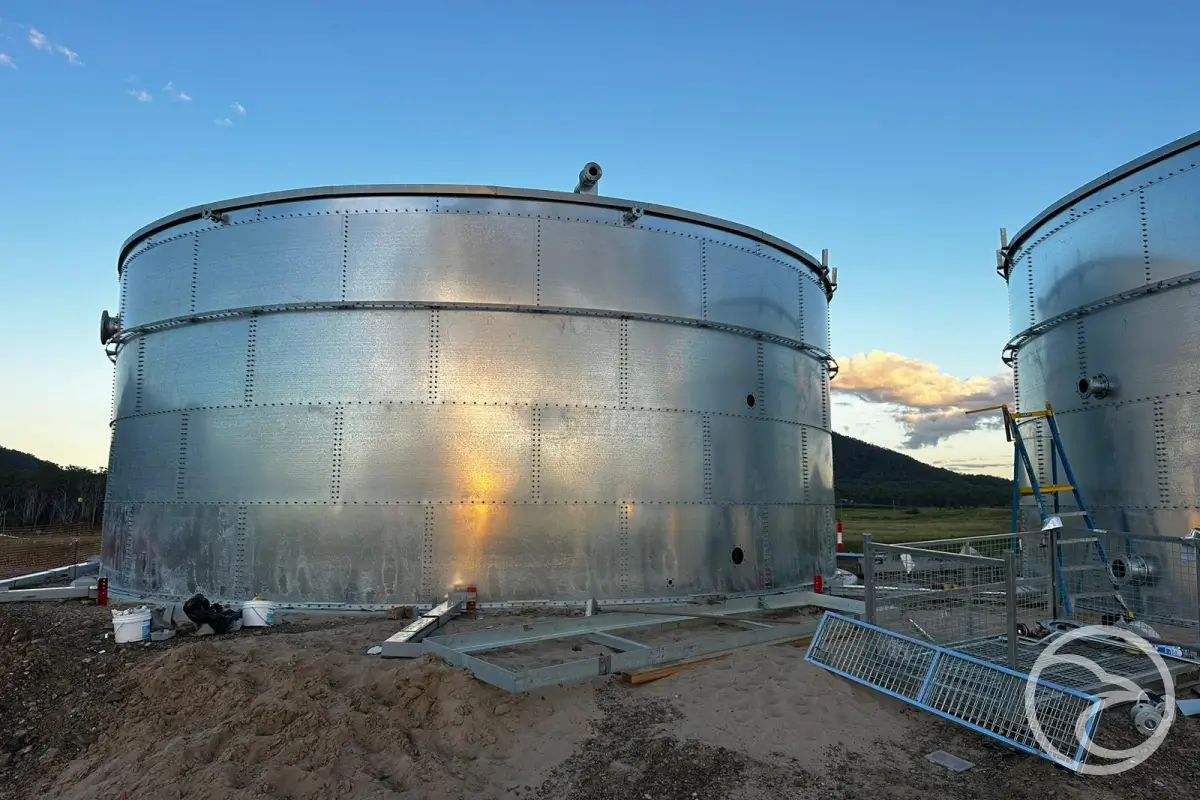
Fire water tanks are an essential part of many commercial and industrial fire protection systems. However, determining the cost of a fire water tank is not always straightforward.
Several factors influence pricing, from tank capacity and materials to site conditions and installation requirements. Understanding these factors can help project owners make informed decisions and budget more accurately.
Understanding Fire Water Tank Costs
There is no standard price for a fire water tanks. Each project has unique requirements that affect the overall cost.
A small commercial development may require a relatively simple solution. A large industrial facility may need a significantly larger and more complex system. The total project cost often includes more than the tank itself.
Additional expenses may include:
- Tank design
- Site preparation
- Delivery
- Installation
- Pumps and accessories
- Project management
For this reason, it is important to consider the complete system rather than the tank alone.
Tank Capacity and Storage Volume
Tank capacity is one of the biggest factors affecting cost. Larger tanks require more materials, larger foundations and additional installation work.
Common fire water tank capacities include:
- 10,000 litres
- 25,000 litres
- 50,000 litres
- 100,000 litres
- 250,000 litres
- 500,000 litres and above
As storage requirements increase, project costs typically rise as well. The required capacity will depend on site-specific fire protection requirements and operational needs.
How Tank Material Affects Pricing
The material used to construct a fire water tank can have a significant impact on cost. Different materials offer varying levels of durability, corrosion resistance and maintenance requirements.
Common options include:
Hot-Dipped Galvanised Steel (HDG)
HDG tanks are widely used in commercial and industrial applications. They provide excellent durability and long service life.
GRP (Glass Reinforced Plastic)
GRP tanks are lightweight and corrosion resistant. They are often selected for projects where water quality is an important consideration.
Stainless Steel
Stainless steel tanks offer exceptional durability and corrosion resistance. They are commonly chosen for demanding environments.
Coated Steel
Coated steel tanks provide additional protection against environmental conditions. The most suitable material will depend on the project’s requirements, location and budget.
Installation Requirements
Installation complexity can significantly affect project costs. Some sites allow straightforward installation. Others present challenges that require additional planning and resources.
Factors that may influence installation costs include:
- Site accessibility
- Ground conditions
- Available space
- Crane requirements
- Safety considerations
- Construction schedules
Projects with limited access or restricted work areas may require specialised installation methods.
Site Location and Logistics
Project location can also influence overall costs. Transporting materials and equipment to remote locations may increase delivery expenses.
Projects in regional areas may require additional travel, equipment mobilisation or site coordination. Melbourne-based projects often benefit from easier access to suppliers and installation resources.
However, every project should be assessed individually.
Additional System Components
Many fire water tank systems require additional equipment beyond the tank itself. These components contribute to overall project costs.
Examples include:
- Fire pumps
- Pump houses
- Control systems
- Pipework
- Valves
- Water level monitoring systems
The complexity of the fire protection system can significantly influence final pricing.
Why Custom Fire Water Tanks Cost More
Standard tank configurations can often be delivered more efficiently. Custom fire water tanks require additional design and engineering work.
Customisation may involve:
- Unique dimensions
- Increased storage capacity
- Restricted site footprints
- Future expansion allowances
- Integration with existing infrastructure
While custom solutions may involve higher upfront costs, they can provide long-term operational benefits. A tailored solution may improve site utilisation and reduce future modifications.
Site Preparation Requirements
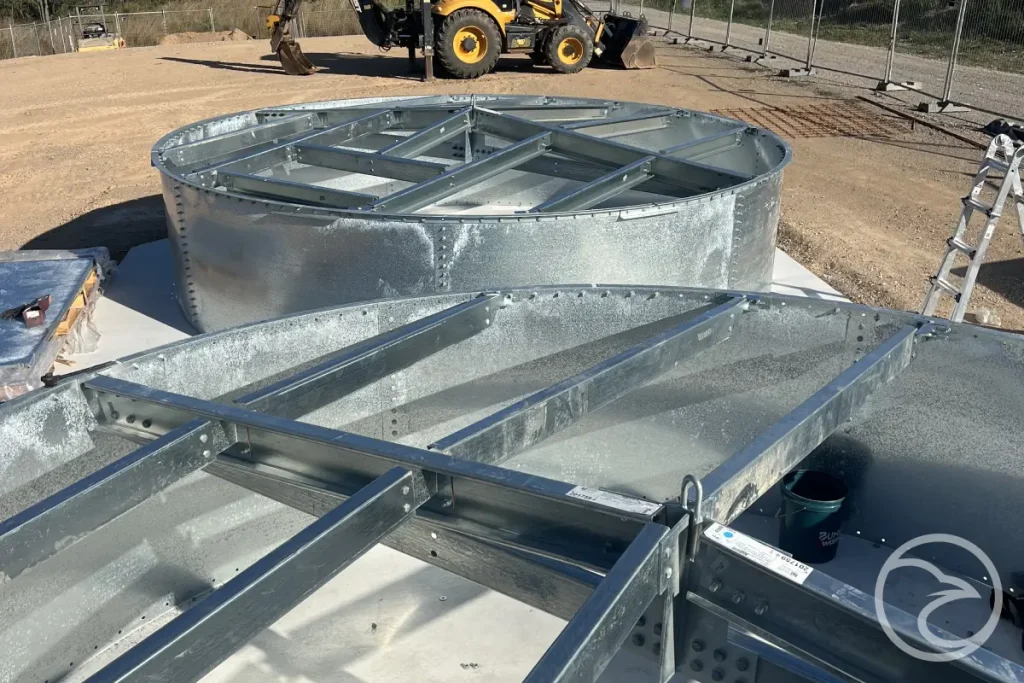
Site preparation is another important cost consideration. Before installation can begin, the site may require preparation works.
These works may include:
- Ground levelling
- Foundation construction
- Drainage improvements
- Access preparation
- Utility adjustments
The extent of preparation required will vary between projects. Sites with challenging ground conditions may require additional engineering solutions.
Long-Term Value and Lifecycle Costs
The lowest initial price does not always provide the best value. Long-term performance should also be considered.
Factors that influence lifecycle costs include:
- Durability
- Maintenance requirements
- Corrosion resistance
- Ease of inspection
- Future upgrade potential
Investing in a suitable tank design and material can help reduce ongoing costs over time. A well-designed system may also provide a longer service life.
Getting an Accurate Fire Water Tank Quote
Every fire water tank project is different. Accurate pricing depends on understanding the project’s specific requirements. Providing detailed project information can help generate a more accurate quotation.
Useful information includes:
- Required storage capacity
- Site location
- Available space
- Preferred tank material
- Installation requirements
- Fire protection system details
The more information available, the easier it is to identify the most suitable solution.
Final Thoughts
Fire water tank costs are influenced by many factors. Tank capacity, materials, installation requirements and site conditions all play an important role.
Understanding these factors can help project owners plan effectively and make informed decisions. While every project is unique, focusing on long-term performance and suitability often delivers the best value over the life of the asset.