Water quality is a major concern across Australia, especially in rural and agricultural areas where stored water is often used for drinking and daily needs. Whether for residential, commercial, or farm use, ensuring that stored water remains clean and safe is essential.
A common question many property owners ask is whether PVC liners are suitable for potable water systems. Understanding materials, certifications, and local requirements helps determine if PVC tank liners are safe for drinking water in Australian conditions.
What are PVC Tank Liners?
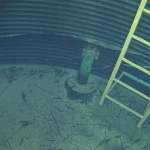
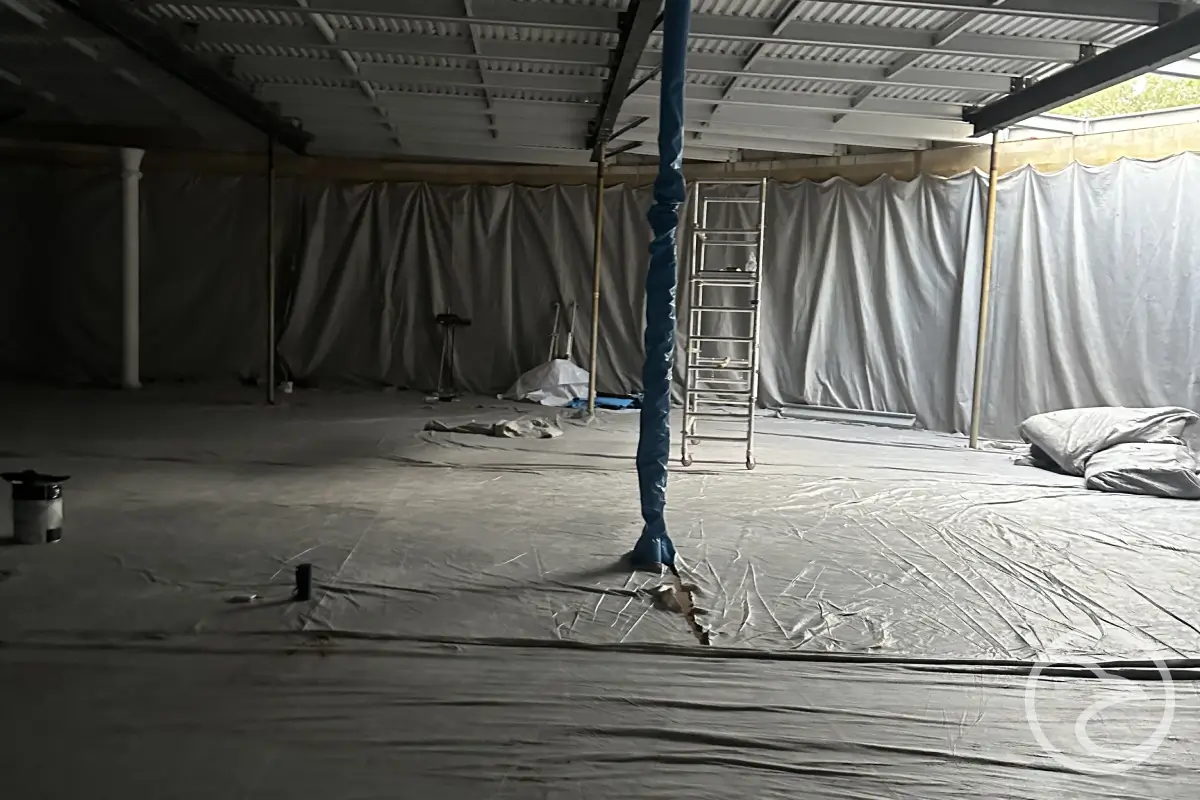
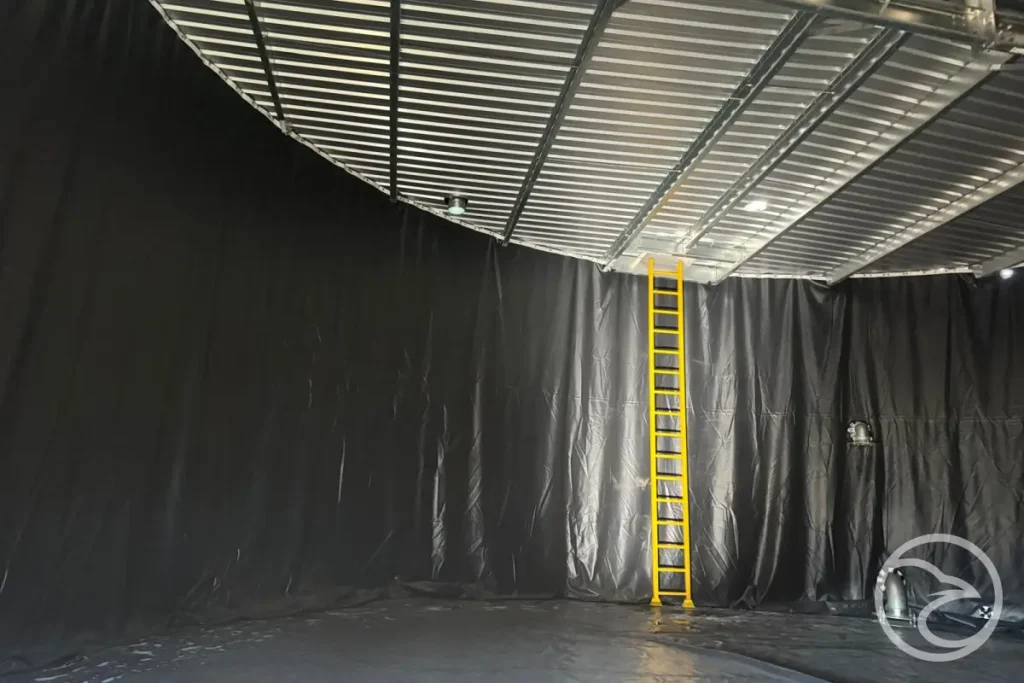
PVC (polyvinyl chloride) tank liners are flexible membranes installed inside water storage tanks to create a protective barrier. They prevent stored water from coming into direct contact with the tank structure, which can reduce contamination and extend the life of the system.
In Australia, these liners are commonly used in:
- Rainwater tanks
- Agricultural water storage
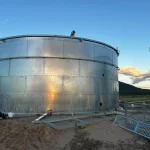
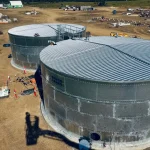
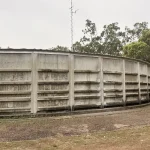
- Concrete and steel tanks
- Remote and rural water systems
Their flexibility and adaptability make them a practical solution for both new installations and tank upgrades.
Are PVC Liners Safe for Drinking Water?
Yes — PVC liners can be safe for potable water use, but only when they meet Australian safety standards.
Not all PVC materials are suitable for drinking water. Only liners specifically manufactured and certified for potable use should be used. These products are designed to ensure that no harmful substances leach into the water over time.
When properly certified and installed PVC tank liners:
- Do not contaminate water
- Maintain taste and odor quality
- Resist bacterial growth
- Provide a stable and hygienic storage environment
Australian Standards for Drinking Water Safety
In Australia, materials used in contact with drinking water must comply with strict regulations. The key standard is AS/NZS 4020, which tests how products affect water quality.
This standard ensures that materials:
- Do not release harmful chemicals into water
- Do not alter taste, colour, or smell
- Are safe for long-term contact with potable water
Standards are developed and maintained by Standards Australia, which sets national requirements for water safety.
Before installing any liner, it is essential to confirm that it complies with AS/NZS 4020. This is particularly important in Australia, where stored water is often a primary drinking source.
Benefits of PVC Liners for Drinking Water Storage
When certified materials are used, PVC liners offer several advantages for potable water systems in Australia.
1. Protection from Contamination
Liners create a sealed barrier that prevents water from interacting with tank surfaces, especially in older concrete or steel tanks.
2. Improved Water Quality
By isolating stored water, liners help maintain clarity and prevent unwanted taste or odor changes.
3. Resistance to Harsh Conditions
Australian climates can be extreme, with high temperatures and UV exposure. Quality PVC liners are designed to withstand these conditions.
4. Cost-Effective Solution
Compared to replacing an entire tank, installing a liner is often a more affordable way to improve water safety and extend system life.
Common Misconceptions about PVC Liners
There are still some misunderstandings about the safety of PVC liners:
- “PVC is not safe for drinking water”: This is only true for uncertified materials. Potable-grade PVC liners that meet AS/NZS 4020 are specifically designed for safe water storage.
- “Liners affect water taste”: Certified liners do not impact taste or odor. Any changes usually indicate poor-quality materials or incorrect installation.
- “They are only for industrial use”: In Australia, PVC liners are widely used in residential and farm water systems, especially in rainwater tanks.
Factors that Affect Long-Term Safety
Even when using certified materials, several factors influence how well a liner performs over time:
- Installation Quality: Improper installation can lead to folds, stress points, or weak seals that affect performance.
- Maintenance: Regular inspection and cleaning help prevent sediment buildup and biological growth.
- Environmental Exposure: High UV levels and temperature fluctuations in Australia can affect materials if they are not properly designed for these conditions.
- Age of the Liner: Over time, all materials degrade. Monitoring the condition of the liner ensures it continues to perform safely.
When Should a PVC Liner be Replaced?
Knowing when to replace a liner is essential for maintaining safe drinking water.
Look for signs such as:
- Cracks, tears, or visible wear
- Persistent leaks
- Changes in water quality
- Loss of flexibility
If these issues appear, it may be time to consider an upgrade. High-quality pvc liners designed for Australian conditions can restore system safety without replacing the entire tank.
Best Practices for Safe Water Storage in Australia
To ensure long-term safety and performance, follow these key practices:
- Always use liners certified to AS/NZS 4020
- Work with experienced installation professionals
- Conduct regular inspections
- Keep the tank clean and well-maintained
- Monitor water quality, especially in rural areas
These steps are particularly important in Australia, where many households rely on stored water as their primary supply.
Final Thoughts
So, are PVC tank liners safe for drinking water in Australia? Yes — as long as they meet the required standards and are properly installed and maintained.
Understanding certifications like AS/NZS 4020, choosing high-quality materials, and following best practices ensures that your water remains clean and safe. In Australian conditions, where reliable water storage is essential, PVC liners provide a practical and effective solution for long-term use.