Inspecting water storage tanks is essential for maintaining safety, reliability and long-term asset performance. Regular inspections help identify corrosion, structural deterioration, coating failures and other defects before they develop into costly repairs or operational failures.
Traditional inspection methods often require tanks to be drained, scaffolding to be installed and personnel to enter confined spaces. These activities can increase costs, extend downtime and introduce additional safety risks.
Modern inspection technologies are changing how water tanks are assessed. Remotely Operated Vehicles (ROVs) and drones allow inspectors to examine many areas of a tank more efficiently while reducing operational disruption.
Although both technologies support condition assessments, they are designed for different purposes. ROVs inspect submerged internal components, while drones capture detailed information about external structures and elevated areas.
Understanding how these technologies work and when each should be used helps asset owners choose the most appropriate inspection approach for their facilities.
What are ROV and Drone Tank Inspections?
ROVs and drones are advanced inspection tools that improve the way water tanks are assessed. Rather than replacing traditional inspections, they provide faster, safer and more detailed information while reducing the need for invasive inspection methods.
Each technology serves a different role during a condition assessment.
What is an ROV?
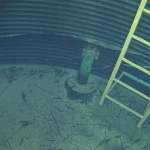
A Remotely Operated Vehicle (ROV) is a small underwater robot that performs inspections inside water-filled tanks. The vehicle is controlled by a trained operator from outside the tank using a tether or communication system. High-definition cameras transmit live video throughout the inspection, allowing inspectors to assess submerged components in real time.
Depending on the inspection requirements, an ROV may also be equipped with specialised sensors and lighting systems to improve visibility and document defects.
ROVs are commonly used to inspect:
- submerged walls
- tank floors
- welded joints
- internal coatings
- sediment accumulation
- pipe inlets and outlets
- suction structures
- underwater fittings
Because the tank remains in service, inspections can often be completed without draining the stored water.
What is a Drone Inspection?
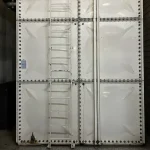
A drone, also known as an Unmanned Aerial Vehicle (UAV), is used to inspect the external condition of water tanks and other elevated infrastructure.
Modern inspection drones capture high-resolution images and video from angles that are difficult or unsafe to access using conventional methods.
Some inspection platforms may also include thermal imaging or zoom cameras to assist with detailed visual assessments.
Drone inspections commonly focus on:
- roofs
- external walls
- support structures
- overflow systems
- vents
- access ladders
- external coatings
- surrounding infrastructure
Because drones eliminate the need for scaffolding or elevated work platforms in many situations, they can significantly improve inspection efficiency.
If your facility requires a detailed assessment of roofs, external structures or elevated tank components, our drone tank inspections service provides a safe, efficient and accurate inspection solution.
Why are These Technologies Becoming More Common?
Water utilities, industrial facilities and asset owners are increasingly adopting advanced inspection technologies because they improve both safety and operational efficiency.
Compared with traditional inspection methods, ROVs and drones can offer:
- reduced downtime
- fewer access requirements
- improved worker safety
- faster data collection
- high-quality visual records
- more consistent inspections
These advantages make them valuable tools for both routine inspections and detailed condition assessments.
How ROV Inspections Work
Although inspection procedures vary depending on the tank design and operating conditions, most ROV inspections follow a structured process.
Step 1: Inspection Planning
Before deployment, inspectors review available information about the tank.
This may include:
- tank dimensions
- water depth
- access points
- previous inspection reports
- maintenance history
- inspection objectives
Proper planning ensures that all critical areas will be examined during the inspection.
Step 2: Equipment Preparation
The ROV is prepared and tested before entering the tank.
Operators typically verify:
- camera performance
- lighting systems
- propulsion controls
- communication systems
- recording equipment
Any required sensors are also checked before deployment.
Step 3: ROV Deployment
The vehicle is carefully lowered into the tank through an access hatch or designated opening. Once submerged, the operator remotely controls its movement throughout the inspection.
Because the inspection is performed from outside the tank, personnel usually do not need to enter the confined space.
Step 4: Internal Inspection
The ROV systematically examines critical internal components. Inspectors observe live video while documenting any defects that require further evaluation.
Particular attention is often given to:
- floor condition
- wall corrosion
- weld integrity
- coating performance
- sediment levels
- pipe penetrations
- structural connections
The inspection can also include photographic documentation for future comparison.
Step 5: Recording Inspection Data
Throughout the inspection, images and video are recorded for later analysis.
This creates a permanent visual record that can support:
- maintenance planning
- condition monitoring
- engineering assessments
- future inspections
Historical records also make it easier to identify changes over time.
Step 6: Reporting
After the inspection, collected data is reviewed and compiled into a condition assessment report.
The report typically identifies:
- observed defects
- areas requiring monitoring
- maintenance recommendations
- locations needing further investigation
This information helps asset owners make informed maintenance decisions.
Combining advanced inspection technologies with a proactive water tank maintenance programme helps identify defects early, reduce repair costs and extend the service life of water storage assets.
How Drone Inspections Work
Drone inspections follow a similar structured process but focus on external tank components.
Step 1: Flight Planning
Inspectors first assess the site and determine the safest flight path.
Planning considers:
- weather conditions
- surrounding obstacles
- flight regulations
- inspection objectives
- tank height
- access limitations
Proper planning improves both safety and image quality.
Step 2: Equipment Checks
Before take-off, the drone and its onboard systems are inspected.
Operators verify:
- battery condition
- camera settings
- navigation systems
- communication links
- safety functions
These checks help minimise operational risks.
Step 3: External Inspection
The drone flies around the tank while capturing high-resolution photographs and video. Different viewing angles allow inspectors to assess components that may otherwise require elevated work platforms or scaffolding.
Areas commonly inspected include:
- roof surfaces
- roof joints
- external shell
- ladders
- vents
- overflow systems
- pipework
- surrounding structures
Step 4: Image Review
Captured images are reviewed to identify signs of deterioration.
Inspectors look for defects such as:
- corrosion
- coating failure
- cracking
- deformation
- damaged fittings
- water ingress
- structural movement
High-resolution imagery allows small defects to be identified more accurately.
Step 5: Reporting
Following the inspection, photographs and observations are incorporated into a detailed inspection report.
This documentation supports:
- preventive maintenance
- asset management
- future inspections
- engineering evaluations
Digital image records also provide valuable reference points for long-term condition monitoring.
ROV vs Drone Inspections: what’s the Difference?
Although both technologies improve inspection efficiency, they perform very different functions. Understanding these differences helps determine which solution is most appropriate for a particular inspection.
| Feature | ROV Inspection | Drone Inspection |
|---|---|---|
| Inspection area | Internal underwater components | External and elevated structures |
| Operating environment | Water-filled tanks | Air |
| Main purpose | Inspect submerged assets | Inspect roofs and external surfaces |
| Tank draining required | Usually no | No |
| Confined-space entry | Usually avoided | Not required |
| Scaffolding required | No | Usually no |
| Typical defects detected | Corrosion, sediment, coating damage, leaks, weld defects | Roof damage, corrosion, coating deterioration, structural defects |
| Best suited for | Internal condition assessments | External visual inspections |
Rather than competing technologies, ROVs and drones complement one another. A drone provides an overview of the tank’s external condition, while an ROV examines submerged internal components that cannot be seen from above.
When used together, they deliver a far more comprehensive understanding of tank condition than either technology alone.
What Can ROV Inspections Detect?
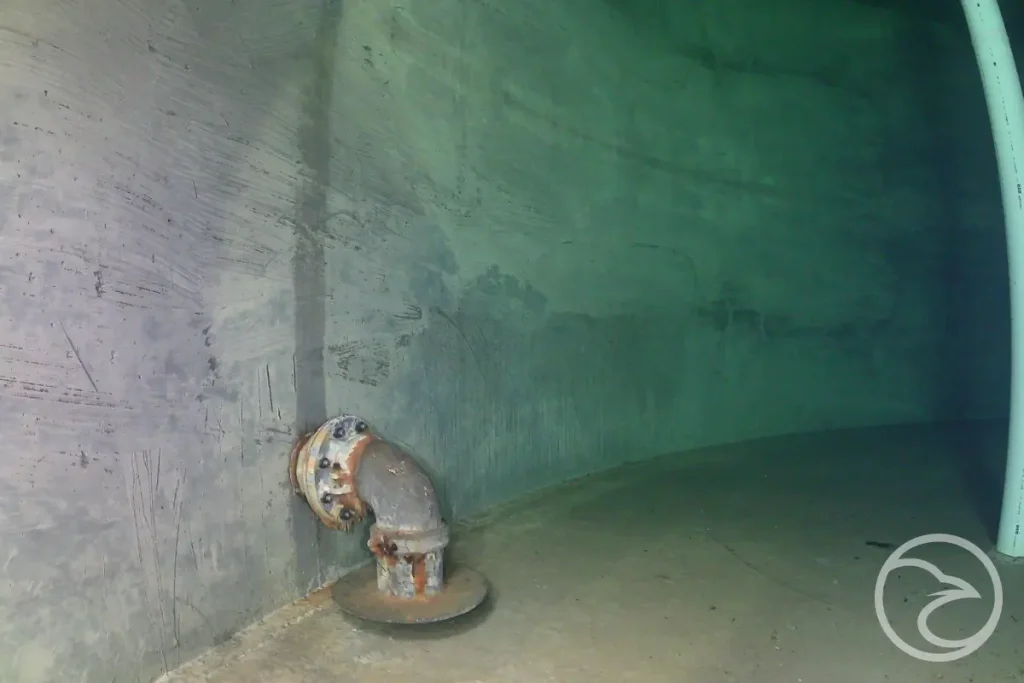
ROV inspections provide detailed visibility of submerged areas that are difficult or impossible to inspect from the surface. High-definition cameras allow inspectors to identify defects while the tank remains in service.
Depending on the tank design and water clarity, an ROV can detect a wide range of structural and maintenance issues.
Common findings include:
- internal corrosion
- coating deterioration
- sediment accumulation
- damaged liners
- floor deterioration
- weld defects
- cracks
- leaking joints
- biological growth
- debris and foreign objects
- damaged pipe penetrations
- blocked suction inlets
Early identification of these defects helps asset owners prioritise maintenance before problems become more severe. Early detection is essential for preventing tank leakage in storage tanks, as even minor defects can develop into costly structural failures if left unaddressed.
What Can Drone Inspections Detect?
Drone inspections focus on components that are exposed above ground and often difficult to access safely. Using high-resolution cameras, inspectors can examine large structures quickly while capturing detailed visual records.
Drone inspections commonly identify:
- external corrosion
- roof deterioration
- damaged roof sheets
- coating failure
- cracked sealants
- blocked overflow systems
- damaged vents
- loose fittings
- structural movement
- water ponding on roofs
- damaged ladders and platforms
- vegetation affecting access
For large storage facilities, drone imagery also provides an excellent overview of the surrounding infrastructure.
Benefits of ROV Tank Inspections
ROV inspections have become an increasingly popular solution because they reduce operational disruption while providing detailed information about the internal condition of water tanks.
Reduced Downtime
One of the biggest advantages of ROV inspections is that many tanks can be inspected without being drained.
Maintaining normal operation helps reduce interruptions to water supply and industrial processes while avoiding the time required for draining, cleaning and refilling.
Improved Safety
Traditional internal inspections often require personnel to enter confined spaces.
ROVs perform these inspections remotely, reducing worker exposure to hazards such as:
- confined-space entry
- slippery surfaces
- limited visibility
- underwater hazards
This contributes to safer inspection practices.
High-Quality Inspection Data
Modern ROVs capture high-definition video and photographs throughout the inspection.
Digital records make it easier to:
- compare inspections over time
- monitor deterioration
- support engineering assessments
- plan maintenance activities
Visual documentation also improves communication between inspectors and asset owners.
Cost Savings
Reducing downtime, eliminating tank draining in many situations and minimising labour requirements can significantly lower inspection costs over the life of an asset.
Although advanced technology requires specialist operators, the overall inspection process is often more efficient than traditional methods.
Better Access to Difficult Areas
ROVs can safely inspect areas that are difficult for personnel to reach.
Examples include:
- deep reservoirs
- submerged floors
- suction structures
- narrow compartments
- narrow compartments
This improves inspection coverage and increases confidence in the overall condition assessment.
Benefits of Drone Tank Inspections
Drone technology has transformed the inspection of large and elevated water storage structures. By replacing many manual visual inspections, drones improve both efficiency and safety.
Faster External Inspections
Large tanks often require considerable time to inspect using traditional access equipment. Drones can survey roofs and external walls in a fraction of the time while capturing detailed imagery from multiple angles.
Reduced Work at Height
Inspecting elevated tanks or large roof structures traditionally involves ladders, scaffolding or elevated work platforms. Drone inspections significantly reduce the need for personnel to work at height, lowering safety risks and simplifying site logistics.
High-Resolution Imagery
Modern inspection drones capture detailed photographs and video that allow inspectors to identify small defects with greater accuracy. Images can also be archived to support future condition monitoring.
Access to Difficult Locations
Some parts of a storage tank are difficult or unsafe to inspect manually.
Drones provide safe access to:
- roof structures
- vents
- overflow pipes
- elevated pipework
- large external walls
This improves inspection coverage while reducing operational disruption.
Efficient Large-Scale Assessments
Drone inspections are particularly valuable for facilities managing multiple storage tanks. Large areas can be assessed efficiently, making it easier to prioritise maintenance and identify assets requiring further investigation.
Choosing the Right Technology for Different Tank Types
Not every water tank has the same inspection requirements. Tank size, construction, operating conditions and accessibility all influence which inspection technology provides the greatest value.
In many cases, combining ROV and drone inspections delivers the most comprehensive assessment.
Fire Water Tanks
Fire water tanks must remain ready for emergency use at all times. Draining these tanks for routine inspections may not always be practical, making advanced inspection technologies particularly valuable.
ROV advantages
- inspect tanks without draining
- examine submerged floors
- identify sediment build-up
- assess suction points
- inspect internal coatings
- detect underwater corrosion
Drone advantages
- inspect roofs
- examine vents
- assess overflow systems
- identify external corrosion
- inspect access ladders and platforms
Best approach: Combining ROV and drone inspections provides a comprehensive assessment while keeping the fire protection system operational.
Potable Water Tanks
Potable water storage systems require careful inspection to maintain both structural integrity and water quality. Reducing unnecessary tank entry also helps minimise contamination risks.
ROV advantages
- inspect submerged components while the tank remains full
- identify sediment accumulation
- assess internal coatings
- inspect floor condition
- minimise service interruptions
Drone advantages
- inspect roof integrity
- identify damaged hatches
- assess external coatings
- inspect vents and roof penetrations
Best approach: ROV inspections support internal condition assessments, while drones provide detailed external inspections with minimal disruption to water supply.
Industrial Process Water Tanks
Industrial facilities often operate continuously, making shutdowns expensive. Advanced inspection technologies help minimise operational interruptions while collecting valuable condition data.
ROV advantages
- inspect submerged equipment
- identify corrosion
- examine floor condition
- assess sediment levels
Drone advantages
- inspect large industrial structures
- assess elevated pipework
- inspect roofs and external surfaces
Best approach: Use both technologies to reduce downtime while improving inspection coverage.
Wastewater Tanks
Wastewater tanks operate in highly corrosive environments where biological activity, moisture and chemical exposure can accelerate deterioration.
Traditional inspections may also expose personnel to hazardous conditions, making remote inspection technologies an attractive alternative.
ROV advantages
- inspect submerged structures without draining the tank
- assess floor and wall condition
- identify corrosion and coating deterioration
- locate sediment build-up
- inspect submerged pipework and outlets
- reduce confined-space entry
Drone advantages
- inspect roofs and external structures
- assess access platforms and ladders
- identify external corrosion
- inspect vents and surrounding infrastructure
Best approach: Combining ROV and drone inspections provides a safer and more comprehensive assessment while reducing worker exposure to hazardous environments.
Chemical Storage Tanks
Chemical storage tanks often operate under demanding conditions, and inspection methods must always consider the compatibility of the inspection equipment with the stored product.
In many cases, tanks are inspected during planned shutdowns or when they have been safely isolated.
ROV advantages
Where operating conditions allow, ROVs may be used to:
- inspect submerged surfaces
- assess internal coatings
- identify corrosion
- examine welds
- document internal defects
Drone advantages
Drones are particularly effective for:
- inspecting external tank shells
- assessing roofs
- identifying coating damage
- detecting structural deterioration
- inspecting elevated components
Best approach: The inspection method should always be selected based on the stored product, tank design and site safety requirements.
Agricultural and Irrigation Tanks
Agricultural tanks are often located in remote areas and exposed to harsh environmental conditions throughout the year. Efficient inspections help ensure reliable water storage while reducing maintenance costs.
ROV advantages
- inspect sediment accumulation
- assess liner condition
- examine submerged fittings
- inspect floor deterioration
Drone advantages
- inspect large tanks quickly
- identify roof damage
- assess external corrosion
- inspect surrounding infrastructure
- evaluate difficult-to-access locations
Best approach: Drone inspections provide rapid external assessments, while ROVs evaluate the internal condition without unnecessary draining.
Why ROV and Drone Inspections Improve Safety
Worker safety is one of the primary reasons many organisations are adopting advanced inspection technologies. Traditional tank inspections often involve hazardous activities that expose personnel to unnecessary risks.
These may include:
- confined-space entry
- working at height
- installing scaffolding
- operating over water
- prolonged exposure to hazardous environments
- manual visual inspections in difficult locations
ROVs and drones help reduce these risks by allowing inspectors to collect detailed condition data remotely.
Key safety benefits include:
- reduced confined-space entry
- less work at height
- fewer manual inspections
- shorter inspection durations
- reduced exposure to hazardous environments
- improved planning through live visual data
Although traditional inspections are still necessary in some situations, advanced technologies allow many routine assessments to be completed with a significantly lower risk profile.
Can ROVs and Drones be Used Together?
Absolutely. In fact, combining both technologies often provides the most complete picture of a tank’s condition. Rather than competing with each other, ROVs and drones inspect different parts of the same asset.
A drone examines the external structure, while an ROV investigates submerged internal components.
Drone Inspections Typically Assess:
- roofs
- external walls
- vents
- overflow systems
- access ladders
- surrounding infrastructure
ROV Inspections Typically Assess:
- tank floors
- submerged walls
- internal coatings
- welds
- sediment accumulation
- submerged pipework
Using both technologies during the same inspection programme allows inspectors to evaluate almost every accessible part of the tank without relying solely on traditional inspection methods.
This integrated approach also improves maintenance planning by providing a more complete understanding of asset condition.
Why Traditional Inspections Still Matter
Neither ROVs nor drones completely replace conventional inspection methods. If significant defects are identified, engineers may recommend additional inspections, non-destructive testing or physical access to confirm findings and plan repairs.
Instead of replacing traditional inspections, advanced technologies make them more targeted and efficient by identifying where closer investigation is actually needed.
Are ROV and Drone Inspections Replacing Traditional Tank Inspections?
Despite the rapid advancement of inspection technologies, ROVs and drones are not replacing traditional tank inspections entirely. Instead, they are changing how inspections are planned and carried out.
Conventional inspections remain essential when tanks require major repairs, structural modifications or detailed non-destructive testing. Engineers may still need direct access to confirm defects, perform thickness measurements or assess damage before repair work begins.
However, many routine inspections no longer require personnel to enter confined spaces or work at height. ROVs and drones allow inspectors to collect high-quality visual data remotely, helping identify areas that need closer investigation.
This targeted approach improves efficiency by reducing unnecessary manual inspections while ensuring that maintenance efforts focus on the areas of greatest concern.
For many facilities, the most effective inspection programme combines advanced technologies with conventional engineering assessments. Remote inspections provide an overview of asset condition, while traditional methods are used only when further investigation or repair is required.
How to Choose the Best Inspection Method
Selecting the right inspection method depends on several factors, including the tank’s purpose, accessibility, operating conditions and maintenance objectives.
Rather than asking whether an ROV or a drone is better, asset owners should consider which technology will provide the most useful information for the specific inspection.
The following table provides general guidance.
| Inspection Requirement | Recommended Method |
|---|---|
| Internal inspection of a water-filled tank | ROV |
| External structural inspection | Drone |
| Roof inspection | Drone |
| Sediment assessment | ROV |
| Internal corrosion assessment | ROV |
| Elevated water tank | Drone |
| Large municipal reservoir | ROV + Drone |
| Fire water tank in service | ROV + Drone |
| Potable water tank | ROV + Drone |
| Complete condition assessment | ROV + Drone |
Other factors that may influence the inspection strategy include:
- tank size and configuration
- access restrictions
- operational requirements
- water quality considerations
- regulatory compliance
- available maintenance budget
- inspection frequency
- previous inspection findings
Consulting an experienced inspection provider helps ensure that the selected approach delivers accurate results while minimising operational disruption.
Conclusion
ROVs and drones have transformed the way water tanks are inspected, offering safer, faster and more efficient alternatives to many traditional inspection methods.
Each technology provides unique advantages. ROVs enable detailed assessments of submerged internal components without draining the tank, while drones deliver rapid, high-resolution inspections of roofs, external walls and elevated structures.
Rather than replacing conventional inspections, these technologies complement existing maintenance practices by improving data collection, reducing operational disruption and helping asset owners identify defects earlier.
For many facilities, combining ROV and drone inspections provides the most comprehensive assessment of tank condition. This integrated approach supports proactive maintenance, extends asset life and helps ensure that critical water storage infrastructure continues to operate safely and reliably.