Fire water tanks are designed to provide a reliable water supply during emergencies. While these systems are built for long-term performance, they are still vulnerable to wear, environmental exposure, and aging.
Over time, defects can develop that affect safety, reliability, and operational readiness. Many of these issues remain hidden until a detailed inspection is performed.
Understanding common fire tank defects helps facility owners identify potential risks, prioritise maintenance activities, and improve asset management strategies.
This article explores the most common issues found during fire tank inspections and explains why early detection is essential.
Why Defect Identification Matters
A fire water tank may sit unused for months or even years. However, it must perform immediately when a fire occurs. Small defects often develop gradually. If left unresolved, these issues can become costly repairs or serious operational problems.
Regular inspections help:
- Detect deterioration early
- Reduce repair costs
- Improve asset lifespan
- Support compliance requirements
- Maintain emergency preparedness
A structured fire tank inspection program is one of the most effective ways to identify developing defects before they affect performance.
Corrosion
Corrosion is one of the most frequently identified fire tank defects. It occurs when metal surfaces react with moisture, oxygen, and environmental contaminants.
While corrosion can affect any steel component, it is particularly common in:
- Tank walls
- Roof structures
- Internal surfaces
- Pipework
- Support frames
Causes of Corrosion
Several factors contribute to corrosion development.
Common causes include:
- Aging coatings
- Moisture exposure
- Water chemistry
- Environmental pollutants
- Poor maintenance
Corrosion often progresses slowly, making regular inspections essential.
Risks Associated with Corrosion
Advanced corrosion can result in:
- Structural weakening
- Water leakage
- Reduced asset lifespan
- Increased maintenance costs
If identified early, corrective maintenance is usually more straightforward and cost-effective.
Sediment Accumulation
Sediment buildup is another common issue found in fire water tanks. Over time, dirt, debris, minerals, and organic matter settle at the bottom of the tank.
While small amounts of sediment are expected, excessive accumulation can create several problems.
Potential Effects of Sediment
Heavy sediment buildup may:
- Reduce water storage capacity
- Affect water quality
- Restrict water movement
- Accelerate corrosion
Regular inspections help determine when cleaning or maintenance may be required.
Why Sediment Monitoring is Important
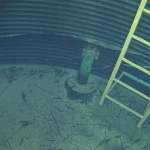
Sediment often accumulates gradually and may not be visible during external inspections. Internal assessments provide a more accurate understanding of tank conditions.
Modern ROV and drone fire tank inspections can be particularly useful when evaluating sediment levels within large water storage systems.
Liner Deterioration
Many fire water tanks use protective liners to preserve internal surfaces and improve durability. Like any protective material, liners deteriorate over time.
Common Liner Defects
Inspectors frequently identify:
- Cracking
- Peeling
- Blistering
- Delamination
- Surface wear
Environmental conditions and aging often contribute to these issues.
Why Liner Condition Matters
Damaged liners expose tank surfaces to moisture and other contaminants. This can accelerate corrosion and increase maintenance requirements.
Routine inspections help detect liner problems before extensive damage occurs.
Leaks and Water Loss
Water leakage is a significant concern for any fire water storage system. Even small leaks can indicate larger structural or maintenance issues.
Common Leak Locations
Inspectors often find leaks around:
- Pipe connections
- Tank joints
- Penetrations
- Valves
- Structural seams
Some leaks are obvious, while others remain hidden for long periods.
Risks of Water Loss
Water loss can:
- Reduce available firefighting water
- Increase operating costs
- Damage surrounding infrastructure
- Indicate structural deterioration
Prompt investigation is important whenever leaks are identified.
Roof Damage
Tank roofs provide protection from weather, debris, and contamination. Over time, roof structures may experience deterioration.
Common Roof Defects
Typical issues include:
- Corrosion
- Loose fixings
- Damaged panels
- Water ingress points
- Structural distortion
External inspections often focus heavily on roof condition because it plays an important role in protecting stored water.
Environmental Influences
Wind, rain, sunlight, and temperature fluctuations can all contribute to roof deterioration. Regular inspections help identify damage before larger repairs become necessary.
Structural Cracking
Structural cracking is commonly associated with concrete tanks, although it can occur in other tank types.
Cracks may develop due to:
- Settlement
- Aging
- Thermal movement
- Structural stress
- Environmental factors
Not every crack indicates a serious issue. However, all structural cracking should be assessed and documented.
Potential Consequences
Significant cracking can result in:
- Water leakage
- Structural instability
- Reduced asset lifespan
- Increased maintenance costs
Early identification is critical for effective defect management.
Foundation Movement
The condition of the tank foundation directly affects structural stability. Over time, foundations may experience movement or settlement.
Signs of Foundation Problems
Inspectors may observe:
- Uneven tank settlement
- Structural distortion
- Cracking
- Joint separation
Foundation issues often require further engineering assessment.
Causes of Foundation Movement
Potential causes include:
- Soil conditions
- Drainage problems
- Groundwater changes
- Long-term loading
Regular inspections help identify these issues before major structural impacts occur.
Pipework Defects
Pipework is essential for delivering water from the tank to fire protection systems. Defects within pipework can reduce operational reliability.
Common Pipework Issues
Inspectors frequently identify:
- Corrosion
- Leaks
- Blockages
- Damaged supports
- Valve deterioration
Routine maintenance helps minimise these risks.
Operational Consequences
Pipework failures may affect:
- Water flow rates
- System pressure
- Emergency response performance
Reliable pipework is critical for maintaining overall system readiness.
Access Equipment Deterioration
Access equipment is often overlooked during routine maintenance. However, ladders, platforms, and handrails are essential for safe inspections and servicing.
Common Findings
Inspectors commonly identify:
- Corrosion
- Loose fittings
- Damaged handrails
- Structural wear
These defects create safety risks for maintenance personnel.
Importance of Safe Access
Properly maintained access equipment supports ongoing inspections and maintenance activities. This helps ensure that other defects can be identified safely and efficiently.
How Inspections Help Identify Defects
Many fire tank defects develop slowly and remain hidden for long periods. Routine inspections provide an opportunity to identify problems before they become severe.
A comprehensive fire tank inspection guide typically includes procedures for assessing:
- Structural condition
- Water quality risks
- Pipework performance
- Roof integrity
- Internal tank condition
Consistent inspections help improve asset management and maintenance planning.
Defect Management and Compliance
Identifying defects is only one part of the process.
Effective asset management also requires:
- Documentation
- Risk assessment
- Corrective maintenance
- Ongoing monitoring
These activities help organisations support AS1851 Compliance Requirements and maintain fire protection system reliability. A proactive approach reduces the likelihood of unexpected failures and costly repairs.
Conclusion
Fire water tanks experience a variety of defects throughout their service life. Corrosion, sediment buildup, liner deterioration, leaks, structural cracking, and pipework issues are among the most common problems identified during inspections.
Early detection is essential for maintaining reliability, safety, and operational readiness. Regular inspections provide valuable information that helps facility owners prioritise maintenance activities and extend asset lifespan.
By understanding common fire tank defects and addressing them promptly, organisations can improve system performance while supporting long-term compliance and fire protection objectives.