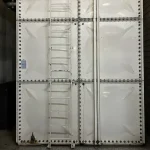
Fire water tanks are a critical component of fire protection systems across Australia. Their role is simple but essential. They provide a reliable water supply during an emergency when firefighting systems need it most.
To ensure these systems remain operational, facility owners must follow established maintenance and inspection standards. One of the most important standards in Australia is AS 1851.
Understanding AS1851 compliance requirements helps building owners, facility managers, and maintenance teams maintain system reliability while supporting regulatory obligations.
What is AS 1851?
AS 1851 is an Australian Standard that outlines routine servicing and maintenance requirements for fire protection systems and equipment.
The standard provides guidance on how fire safety assets should be inspected, tested, and maintained throughout their service life. The objective is to ensure fire protection systems remain operational and capable of performing as intended during an emergency.
AS 1851 applies to a wide range of fire safety assets, including:
- Fire water tanks
- Fire pumps
- Hydrant systems
- Sprinkler systems
- Fire detection systems
- Portable firefighting equipment
For fire water tanks, the standard focuses on maintaining system readiness and identifying issues before they impact performance.
Why AS1851 Compliance Matters
Compliance is not simply about meeting regulatory requirements. It also helps ensure fire protection systems remain reliable when they are needed most.
A poorly maintained fire tank may contain sufficient water, but hidden defects can reduce its effectiveness during an emergency.
Following AS1851 compliance requirements helps organisations:
- Improve fire system reliability
- Reduce operational risks
- Extend asset lifespan
- Identify maintenance issues early
- Support insurance requirements
- Demonstrate responsible asset management
Many facility owners incorporate compliance activities into their broader AS1851 fire tank inspections programs.
How AS1851 Relates to Fire Water Tanks
Fire water tanks are often viewed as passive assets. However, they require ongoing monitoring and maintenance. AS 1851 provides guidance on inspection frequencies and maintenance activities that help verify system readiness.
The standard encourages a proactive approach to asset management. Rather than waiting for failures to occur, facility owners can identify and address issues before they become significant problems.
This approach improves both safety and long-term asset performance.
Key Areas Covered by AS1851 Compliance Requirements
Several aspects of fire water tank maintenance are addressed through routine servicing programs.
Structural Condition
The structural integrity of the tank is one of the most important considerations.
Inspections may assess:
- Corrosion
- Cracking
- Structural movement
- Surface deterioration
- Damage caused by environmental conditions
Any structural defects should be investigated promptly.
Water Storage Capacity
The tank must be capable of providing the required water volume for firefighting purposes.
Assessments may include:
- Water level verification
- Storage capacity reviews
- Sediment accumulation checks
- Overflow system inspections
Excessive sediment can reduce usable storage capacity over time.
Pipework and Valves
Pipework is essential for delivering water to firefighting systems.
Routine assessments may examine:
- Leaks
- Corrosion
- Mechanical wear
- Valve operation
- Pipe integrity
Even small defects can affect overall system performance.
Access and Safety Equipment
AS1851 also supports safe access for inspection and maintenance activities.
Inspectors often review:
- Ladders
- Platforms
- Handrails
- Access hatches
Damaged access systems can create safety risks during maintenance operations.
Common Compliance Issues Identified During Assessments
Many facilities encounter similar challenges when reviewing fire tank compliance.
Some of the most common issues include:
Corrosion
Corrosion remains one of the leading causes of fire tank deterioration.
It may affect:
- Tank walls
- Roof structures
- Support frames
- Pipework
Without intervention, corrosion can compromise system reliability.
Poor Maintenance Records
Accurate documentation forms an important part of compliance management. Missing records can make it difficult to demonstrate maintenance history and servicing activities.
Good recordkeeping supports both compliance and long-term asset management.
Sediment Buildup
Over time, sediment naturally accumulates within water storage systems.
Excessive buildup can:
- Reduce storage capacity
- Affect water quality
- Restrict system performance
Regular inspections help identify these issues before they become significant.
Liner Deterioration
Protective liners help prevent corrosion and maintain water quality.
Common issues include:
- Cracking
- Delamination
- Surface wear
- Material degradation
Many of these problems are discussed further in our guide to common fire tank defects.

Inspection Methods Used to Support Compliance
Several inspection techniques may be used to assess tank condition and support compliance activities.
Visual Inspections
Visual inspections remain one of the most common assessment methods.
Inspectors evaluate:
- Structural condition
- Roof integrity
- External surfaces
- Pipework condition
These inspections can identify many common maintenance issues.
Internal Tank Assessments
Internal inspections provide a more detailed understanding of tank condition.
Inspectors may assess:
- Corrosion levels
- Sediment accumulation
- Internal coatings
- Structural components
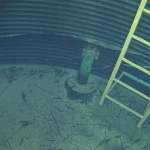
Internal inspections often reveal issues that cannot be seen externally.
Advanced Inspection Technologies
Technology is increasingly being used to improve inspection efficiency. Modern ROV and drone fire tank inspections allow inspectors to assess difficult-to-access areas while reducing safety risks.
These technologies can provide valuable visual data without requiring complete tank shutdowns in some situations.
The Importance of Documentation
Maintaining accurate inspection records is a key aspect of compliance management.
Documentation may include:
- Inspection reports
- Maintenance records
- Repair histories
- Asset condition assessments
- Corrective action records
Well-organised records provide evidence that routine servicing activities have been completed. They also help identify long-term deterioration trends.
Developing a Compliance-Focused Maintenance Strategy
Compliance should be viewed as an ongoing process rather than a one-time activity.
A proactive maintenance strategy generally includes:
- Scheduled inspections
- Routine servicing
- Condition monitoring
- Defect management
- Asset lifecycle planning
Facility owners who take a preventative approach often achieve better long-term outcomes.
A structured fire tank inspection guide can help organisations develop effective maintenance programs that align with compliance objectives.
Compliance Challenges for Older Fire Water Tanks
Older tanks often present additional compliance challenges.
Common concerns include:
- Aging coatings
- Corrosion
- Outdated designs
- Historical repairs
- Limited maintenance records
These assets may require more frequent assessments and condition monitoring. Risk-based maintenance planning is often beneficial for older infrastructure.
How Compliance Supports Emergency Preparedness
Fire protection systems must function immediately during an emergency. Compliance activities help verify that critical assets remain ready for operation.
Routine inspections and maintenance support:
- Reliable water availability
- System functionality
- Reduced failure risks
- Improved emergency response capability
The goal is not simply compliance. The goal is ensuring fire protection systems can perform when lives and property are at risk.
Conclusion
Understanding AS1851 compliance requirements is an important part of responsible fire water tank management.
The standard promotes routine servicing, regular inspections, and proactive maintenance practices that help improve system reliability and asset longevity.
By focusing on structural condition, operational readiness, documentation, and preventative maintenance, facility owners can better support both compliance obligations and emergency preparedness.