Fire water tanks are a critical part of any fire protection system. They provide a dedicated water supply when emergency services or onsite firefighting equipment need it most.
However, a fire tank can only perform effectively if it remains in good condition. Over time, corrosion, sediment buildup, liner damage, and structural deterioration can affect performance. These issues often remain hidden until an inspection is carried out.
This fire tank inspection guide explains why inspections are important, what inspectors assess, and how regular assessments help maintain compliance and operational readiness.
Why Fire Tank Inspections are Important
Many fire water tanks remain unused for long periods. While they may appear functional from the outside, internal problems can develop without obvious warning signs.
Regular inspections help identify issues before they become serious. Early detection reduces repair costs and lowers the risk of system failure during an emergency.
A well-planned AS1851 fire tank inspections program can help facility owners:
- Maintain emergency preparedness
- Improve asset lifespan
- Reduce unexpected repair costs
- Support regulatory compliance
- Identify structural issues early
- Protect water quality
Routine inspections are an important part of any preventative maintenance strategy.
What is a Fire Tank Inspection?
A fire tank inspection is a detailed evaluation of a tank’s condition, safety, and operational readiness. The process may involve both external and internal assessments. Inspectors evaluate structural components, water storage conditions, access systems, and supporting infrastructure.
The primary objective is to determine whether the tank can reliably supply water during a fire emergency.
Depending on the tank type and location, inspections may include:
- Visual inspections
- Internal condition assessments
- Structural evaluations
- Roof inspections
- Pipework inspections
- Valve testing
- Sediment assessments
- Safety access reviews
Inspection requirements often vary depending on the age and construction of the tank.
Types of Fire Water Tanks Commonly Inspected
Fire water tanks are available in several designs. Each type presents different maintenance and inspection requirements.
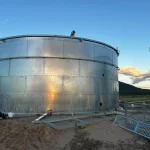
Steel Tanks
Steel tanks are widely used across commercial and industrial facilities.
During inspections, attention is often focused on:
- Corrosion
- Protective coatings
- Weld quality
- Roof structures
- Structural supports
Because steel is susceptible to corrosion, regular inspections are essential.
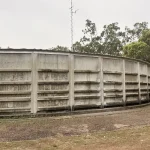
Concrete Tanks
Concrete tanks are known for their durability and long service life.
Inspectors commonly assess:
- Surface cracking
- Joint deterioration
- Water ingress
- Structural movement
Minor defects can often become larger issues if left unaddressed.
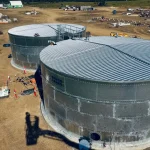
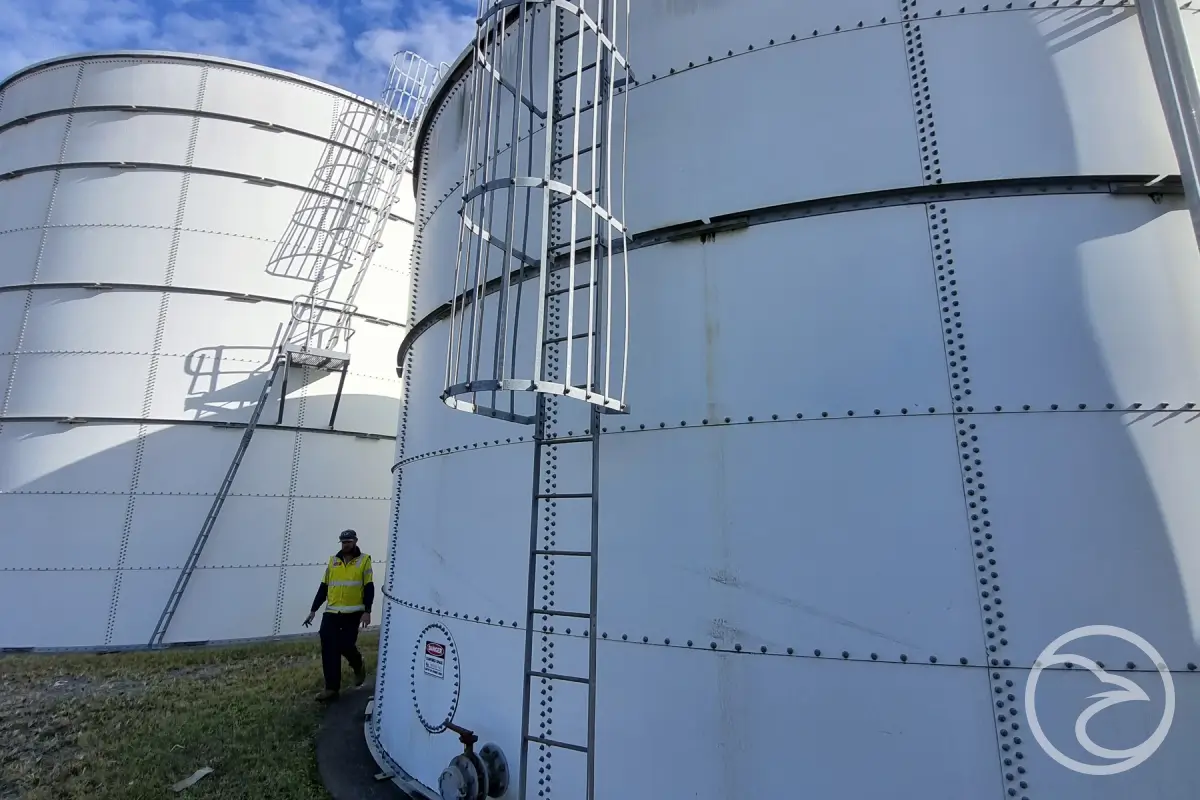
Panel Tanks
Panel tanks are frequently used in commercial buildings and industrial facilities.
Inspection areas include:
- Panel connections
- Fasteners and bolts
- Internal liners
- Structural frames
These components must remain secure to maintain structural integrity.
Underground Fire Tanks
Underground tanks often require specialised inspection methods due to limited access.
Inspectors may evaluate:
- Corrosion risks
- Structural stability
- Water contamination concerns
- Access conditions
These tanks can present unique maintenance challenges compared to above-ground systems.
Key Components Assessed During an Inspection
A thorough fire tank inspection involves more than a simple visual review. Inspectors typically examine several critical components.
Tank Structure
The structural condition of the tank is one of the most important inspection areas.
Inspectors look for:
- Corrosion
- Cracking
- Distortion
- Structural movement
- Physical damage
Even minor defects can indicate larger underlying problems.
Roof and Covers
The roof protects stored water from contamination and environmental exposure.
Common inspection findings include:
- Corrosion
- Damaged panels
- Loose fixings
- Water ingress points
Roof deterioration can affect both water quality and tank longevity.
Internal Linings
Many tanks rely on protective liners to prevent corrosion and water contamination.
Inspectors assess the condition of the liner and identify signs of:
- Blistering
- Peeling
- Cracking
- Delamination
Liner failures can significantly accelerate deterioration.
Access Equipment
Safe access systems are essential for inspections and maintenance.
Inspection points include:
- Ladders
- Platforms
- Handrails
- Safety cages
Damaged access equipment can create safety risks for maintenance personnel.
Pipework and Valves
Pipework plays a critical role in water delivery during an emergency.
Inspectors evaluate:
- Corrosion
- Leaks
- Blockages
- Valve functionality
- Mechanical wear
Reliable pipework helps ensure water can be delivered when required.
The Fire Tank Inspection Process
Although inspection procedures vary, most assessments follow a similar structure.
Review of Existing Records
Inspectors often begin by reviewing available documentation.
This may include:
- Previous inspection reports
- Maintenance records
- Repair histories
- Compliance documentation
Historical information helps identify recurring issues.
External Assessment
The external inspection focuses on visible tank components.
Inspectors assess:
- Structural condition
- Roof integrity
- Pipework
- Foundations
- Surrounding site conditions
External assessments often reveal early warning signs of deterioration.
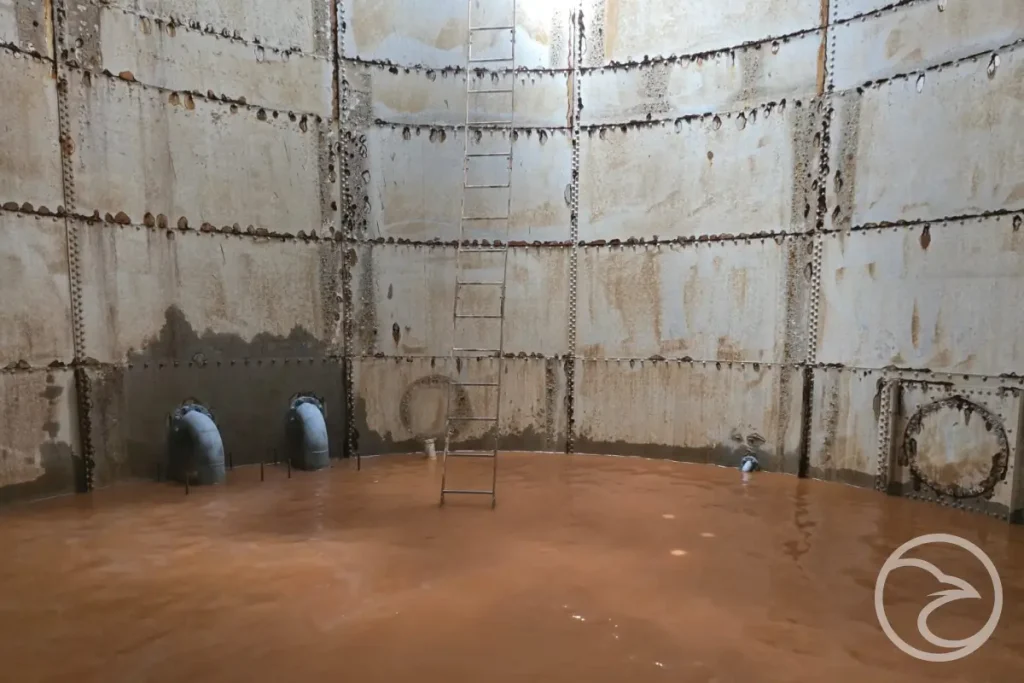
Internal Inspection
Internal inspections provide a more detailed understanding of tank condition.
Inspectors may assess:
- Corrosion levels
- Sediment accumulation
- Internal coatings
- Structural components
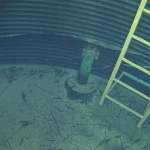
In some situations, advanced technologies can improve inspection efficiency. Modern ROV and drone fire tank inspections allow inspectors to assess difficult-to-access areas while reducing safety risks.
Identification of Defects
Any issues identified during the inspection are documented and prioritised. Defects are generally classified according to their severity and potential impact on performance.
Reporting and Recommendations
A final report typically outlines:
- Inspection findings
- Areas of concern
- Recommended repairs
- Maintenance priorities
- Future inspection requirements
This information helps facility owners make informed maintenance decisions.
Common Issues Found During Fire Tank Inspections
Many fire tanks experience similar forms of deterioration over time.
Corrosion
Corrosion remains one of the most common inspection findings.
It can affect:
- Tank walls
- Roof structures
- Pipework
- Support systems
Without intervention, corrosion can compromise structural integrity.
Sediment Buildup
Sediment naturally accumulates within many water storage systems.
Excessive buildup can:
- Reduce storage capacity
- Affect water quality
- Restrict system performance
Regular inspections help monitor sediment levels.
Liner Damage
Protective liners can deteriorate due to age and environmental conditions.
Common issues include:
- Cracking
- Peeling
- Separation from surfaces
Damaged liners often expose structural materials to moisture.
Structural Defects
Movement, cracking, or deformation may indicate structural concerns. Early identification allows facility owners to address issues before they become significant.
Many of these problems are discussed in greater detail within our guide to common fire tank defects.
Understanding Compliance Requirements
Fire water tanks are often subject to inspection and maintenance requirements. In Australia, compliance obligations may be influenced by industry standards, facility requirements, and local regulations.
Understanding AS1851 compliance requirements can help facility owners develop appropriate inspection and maintenance schedules.
Maintaining accurate inspection records is also an important part of demonstrating ongoing compliance.
How Often Should Fire Tanks be Inspected?
Inspection frequency depends on several factors.
These include:
- Tank age
- Tank design
- Environmental conditions
- Operational requirements
- Compliance obligations
Older tanks or tanks operating in harsh environments may require more frequent assessments. A risk-based inspection strategy is often the most effective approach.
Benefits of Regular Fire Tank Inspections
Regular inspections offer several long-term advantages.
Key benefits include:
- Improved reliability
- Reduced maintenance costs
- Better compliance outcomes
- Extended asset life
- Lower operational risk
- Increased confidence in emergency readiness
Preventative maintenance is typically more cost-effective than major repairs or tank replacement.
Conclusion
Fire water tanks play an essential role in protecting people, property, and critical infrastructure. Regular inspections help ensure these systems remain safe, compliant, and ready to perform when needed.
A proactive inspection strategy allows facility owners to identify issues early, improve reliability, and extend the lifespan of valuable assets.
Whether managing a commercial facility, industrial site, or public infrastructure asset, investing in a structured Fire Inspection program is one of the most effective ways to support long-term fire protection performance.