A fire water tank is only as reliable as the condition of its internal structure. Over time, constant contact with water can affect the inside of a tank, particularly in steel and concrete installations. Without proper protection, corrosion, leaks, and structural deterioration may reduce the system’s performance.
A fire water tank liners creates a protective barrier between the stored water and the tank itself. This barrier helps prevent corrosion, reduces maintenance requirements, and extends the service life of the storage system.
Tank linings are used in both new installations and refurbishment projects. They can restore ageing tanks without the need for complete replacement, making them a cost-effective solution for many facilities.
If you are looking for general information about emergency water storage systems, our guide to explains their design, applications, and key performance requirements.
This article explains how fire water tank liners work, the materials available, their benefits, expected lifespan, maintenance requirements, and how to choose the right lining for your tank.
What is a Fire Water Tank Lining?
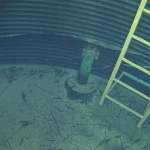
A fire water tank liners is a protective internal layer installed inside a water storage tank. Its main purpose is to prevent the stored water from coming into direct contact with the tank structure.
The lining forms a waterproof barrier that protects the tank against corrosion, leaks, and gradual deterioration. It also helps maintain the integrity of the storage system throughout its service life.
Tank linings are commonly installed inside steel and concrete tanks. They are also used during refurbishment projects where the existing structure remains sound but the internal surface requires additional protection.
Unlike structural repairs, a lining does not strengthen a damaged tank. Instead, it protects the internal surfaces and helps prevent future deterioration.
Modern lining systems are manufactured from flexible materials that can accommodate normal movement within the tank while maintaining a watertight seal.
Because every storage system has different operating conditions, lining materials are selected based on the tank’s construction, water quality, temperature, and expected service life.
Why are Fire Water Tank Liners Important?
A fire water tank must remain ready for use at all times. The internal lining plays an important role in protecting both the tank and the stored water throughout its operational life.
Corrosion Protection
Steel tanks are particularly vulnerable to corrosion when exposed to water for long periods. A lining isolates the metal surface from the stored water, significantly reducing the risk of rust and structural deterioration.
Leak Prevention
Small defects in the internal surface can eventually lead to water loss. A properly installed lining creates a continuous waterproof barrier that helps prevent leaks from developing through joints or ageing surfaces.
Longer Tank Service Life
Replacing an entire fire water tank is expensive and often disruptive. Installing a high-quality lining can extend the life of an existing tank by protecting it from ongoing wear and environmental exposure.
Lower Maintenance Costs
Preventing corrosion is usually far less expensive than repairing structural damage. A protected internal surface typically requires fewer major repairs over the lifetime of the tank.
Improved Reliability
Fire protection systems depend on a reliable water supply. A well-maintained lining helps ensure the tank remains watertight and capable of storing the required volume of water when an emergency occurs.
Which Fire Water Tanks use Internal Linings?
Not every fire water tank requires an internal lining. The need for a liner depends largely on the tank material, operating conditions, and maintenance requirements.
Some tank materials naturally resist corrosion, while others rely on protective barriers to achieve a long service life.
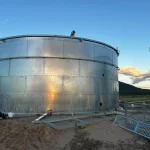
Steel Fire Water Tanks
Steel tanks are the most common application for internal linings. Without protection, prolonged contact with water can lead to corrosion. A properly installed lining creates a barrier that protects the steel surface and helps maintain the structural integrity of the tank.
Many refurbishment projects involve installing a new liner instead of replacing the entire steel tank.
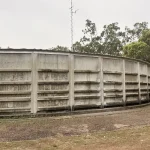
Concrete Fire Water Tanks
Concrete is durable, but it is naturally porous. Over time, water can penetrate the surface and contribute to cracking, seepage, or reinforcement corrosion.
Internal lining systems provide a waterproof barrier that helps reduce moisture penetration and improve long-term performance.
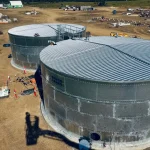
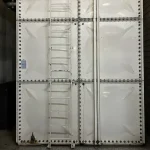
Sectional Panel Tanks
Some sectional panel tanks also benefit from internal lining systems, particularly when refurbishment is more economical than replacement.
Linings can improve watertightness and protect ageing internal surfaces while extending the tank’s service life.
Underground Fire Water Tanks
Underground tanks are often exposed to demanding environmental conditions. An internal lining helps protect the tank against long-term moisture exposure while reducing the likelihood of leaks and corrosion.
GRP Fire Water Tanks
Unlike steel or concrete tanks, most GRP tanks do not require a separate internal lining. The GRP material itself is naturally corrosion resistant and already provides excellent protection against long-term water exposure.
However, specialised liners or membranes may occasionally be used during refurbishment projects or in applications with unique operational requirements.

Common Fire Water Tank Lining Materials
Several lining materials are available for fire water storage tanks. Each offers different performance characteristics depending on the operating environment and project requirements.
Selecting the right material helps maximise durability and reduce long-term maintenance costs.
EPDM Rubber
EPDM (Ethylene Propylene Diene Monomer) is one of the most widely used lining materials for water storage applications. It offers excellent flexibility, weather resistance, and long-term durability. EPDM also performs well across a wide temperature range, making it suitable for both indoor and outdoor installations.
Butyl Rubber
Butyl rubber liners provide excellent waterproofing and low permeability. They are commonly used where maintaining water quality is particularly important. Their flexibility also allows them to accommodate normal movement within the tank.
PVC Liners
PVC tank liners are a cost-effective solution for many water storage applications. They provide good chemical resistance and reliable waterproofing. However, they may have a shorter service life than premium rubber lining systems under demanding operating conditions.
Polypropylene (PP)
Polypropylene liners are valued for their chemical resistance and mechanical strength. They are often selected for industrial environments where stored water may be exposed to more challenging operating conditions.
Polyurethane Coating Systems
Some tanks use polyurethane-based lining systems instead of flexible membranes. These coatings form a seamless protective layer that adheres directly to the tank surface. They provide excellent abrasion resistance and can perform well in refurbishment projects where surface preparation is carried out correctly.
How Does a Fire Water Tank Liner Work?
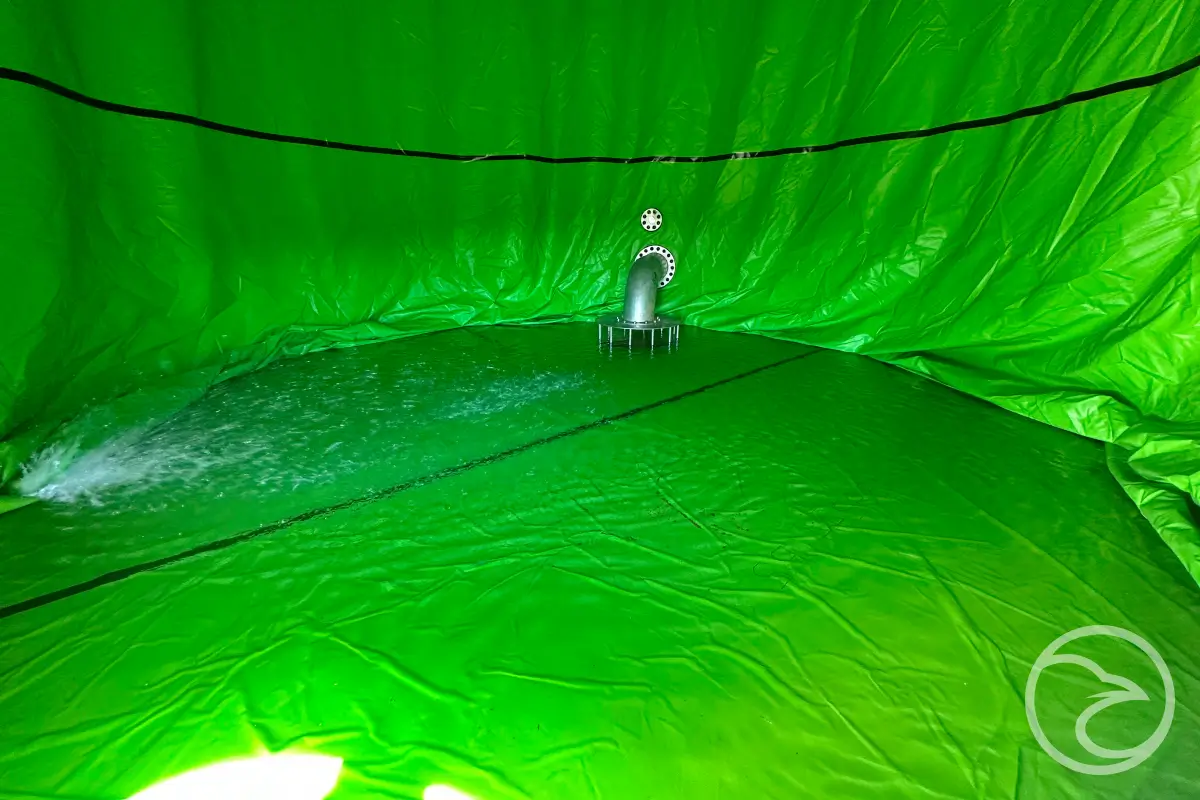
A fire water tank liner acts as a protective barrier between the stored water and the tank structure. Instead of allowing water to come into direct contact with steel or concrete, the liner creates a continuous waterproof layer across the internal surfaces.
This barrier helps prevent corrosion, moisture penetration, and gradual material deterioration. The flexible nature of many lining materials also allows them to accommodate minor movement caused by temperature changes or normal operating conditions without losing their watertight seal.
By isolating the structural tank from constant water exposure, a lining helps preserve the integrity of the storage system and reduces the likelihood of costly repairs in the future.
Benefits of Fire Water Tank Linings
Installing a quality lining provides several long-term advantages for fire water storage systems.
Extended Tank Lifespan
Protecting the internal surfaces slows deterioration and helps the tank remain in service for many additional years.
Reduced Corrosion
The lining prevents direct contact between water and vulnerable structural materials, significantly reducing corrosion in steel tanks.
Lower Repair Costs
Preventing damage is generally less expensive than repairing corrosion or replacing structural components.
Faster Refurbishment
Installing a new lining is often quicker than replacing the entire tank. This can reduce downtime and minimise disruption to normal operations.
Improved System Reliability
A watertight, well-protected tank provides greater confidence that sufficient water will be available when the fire protection system is needed most.
How Long Does a Fire Water Tank Liner Last?
The lifespan of a fire water tank liner depends on several factors, including the lining material, installation quality, operating conditions, and maintenance programme.
Most high-quality lining systems provide reliable performance for 20 to 30 years. Some premium materials may last even longer when installed correctly and maintained properly.
However, no liner lasts indefinitely. Regular inspections are essential to identify signs of wear before they develop into leaks or larger structural issues.
Several factors influence service life, including:
- lining material
- water quality
- temperature fluctuations
- UV exposure for open tanks
- frequency of inspections
- installation quality
- mechanical damage
Routine maintenance and early repairs can significantly extend the useful life of a lining system.
How to Choose the Right Fire Water Tank Lining
Selecting the right lining involves more than choosing the most durable material. The system should match the tank, operating environment, and long-term maintenance strategy.
Tank Construction
The first consideration is the type of tank. Steel, concrete, and sectional tanks may require different lining systems depending on their construction and condition.
Water Quality
Although fire water is not intended for drinking, its quality still affects the performance of the lining. Mineral content, contaminants, and chemical additives may influence material selection.
Operating Environment
Temperature, humidity, and outdoor exposure all affect long-term durability. Some materials perform better in harsh climates, while others are better suited to controlled indoor environments.
Expected Service Life
Different lining materials offer different design lives. Investing in a higher-quality lining may reduce maintenance costs and extend the period between future refurbishments.
Compliance Requirements
Fire water storage systems may need to comply with local regulations, industry standards, or insurance requirements. Selecting an approved lining system helps ensure the tank continues to meet operational and compliance expectations.
Maintenance Requirements
A fire water tank liner still requires regular maintenance to achieve its full design life. Routine inspections help identify minor issues before they become expensive repairs.
Maintenance should include:
- visual inspections
- checking seams and joints
- inspecting around pipe penetrations
- monitoring for leaks
- cleaning accumulated sediment
- recording inspection results
Keeping accurate maintenance records also helps track the condition of the lining over time and supports future refurbishment planning.
Common Fire Water Tank Lining Problems
Most lining systems perform reliably for many years. However, certain issues can develop if the lining is damaged or poorly maintained.
Punctures and Tears
Sharp objects or accidental impact during maintenance can damage the lining. Even small punctures should be repaired promptly to prevent water reaching the underlying structure.
Seam Failure
Poor installation or natural ageing may cause seams to separate over time. Routine inspections help detect seam deterioration before leaks occur.
Material Ageing
All lining materials gradually age. Long-term exposure to water, temperature changes, and normal operating conditions can reduce flexibility and overall performance.
Installation Defects
Incorrect installation remains one of the leading causes of premature lining failure. Choosing experienced installers is just as important as selecting a high-quality lining material.
If you notice leaks, corrosion, or visible wear, our guide to signs your fire water tank needs relining explains when refurbishment may be the best solution.
Can a Fire Water Tank Lining be Repaired?
Yes. In many cases, a damaged fire water tank lining can be repaired without replacing the entire system.
The most suitable repair method depends on the type of lining, the location of the damage, and its overall condition. A professional inspection should always determine whether a local repair will provide a reliable long-term solution.
Minor defects are often repaired using compatible patch materials or by resealing affected joints. These repairs can restore the lining’s watertight performance while minimising downtime.
If damage is widespread or the lining has reached the end of its service life, complete replacement may be the more practical option. Installing a new lining often provides better long-term value than carrying out repeated repairs.
Addressing damage early usually reduces costs and helps prevent the underlying tank structure from deteriorating.
How Much Does Fire Tank Liners Cost?
The cost of a fire tank liners varies depending on the size of the tank, the lining material, and the overall condition of the structure. There is no standard price, as every project has different requirements.
For existing tanks, the condition of the internal surfaces has a significant impact on cost. If corrosion, cracks, or structural defects are present, repairs may be required before a new lining can be installed.
The choice of lining material also influences the overall investment. Premium materials generally have a higher initial cost but often provide a longer service life and lower maintenance requirements.
When comparing options, it is important to consider the total lifecycle cost rather than the installation price alone. A durable lining can reduce future repair expenses, minimise downtime, and delay the need for complete tank replacement.
For many ageing fire water tanks, installing a new lining is significantly more cost-effective than replacing the entire storage system. A professional inspection can determine the most economical solution based on the tank’s condition and expected remaining service life.
Conclusion
A fire water tank lining plays a vital role in protecting both the storage tank and the water it contains. By creating a durable waterproof barrier, the lining helps prevent corrosion, reduce leaks, and extend the service life of the entire system.
Choosing the right lining material is only part of the process. Proper installation, routine inspections, and regular maintenance are equally important for achieving long-term performance and reliability.
Whether you are installing a new fire water tank or refurbishing an existing one, investing in a high-quality lining can reduce maintenance costs, minimise downtime, and improve the overall reliability of your fire protection system.