Fire water tanks are an important part of fire protection systems throughout Melbourne and Victoria. These systems provide a dedicated water supply that supports firefighting operations when emergencies occur.
However, installing a fire tank is only one part of the process. Facility owners are also responsible for ensuring that tanks remain compliant, properly maintained, and ready for operation.
Understanding fire tank compliance requirements helps building owners reduce risk, improve system reliability, and support long-term asset performance.
What Does Fire Tank Compliance Mean?
Fire tank compliance refers to meeting the requirements associated with the design, maintenance, inspection, and operation of fire water storage systems.
Compliance helps ensure that a tank can deliver the required water supply during a fire emergency.
For property owners and facility managers, compliance often involves:
- Routine inspections
- Preventative maintenance
- Recordkeeping
- Defect management
- Asset condition monitoring
A compliant fire tank should remain structurally sound, operationally reliable, and capable of supporting connected fire protection systems.
Why Fire Tank Compliance Matters in Melbourne
Melbourne contains a wide variety of commercial, industrial, residential, and public infrastructure assets. Many of these facilities rely on fire water tanks as part of their overall fire safety strategy.
When fire tanks are not properly maintained, problems may develop that reduce system performance.
Potential risks include:
- Reduced water availability
- Structural deterioration
- Corrosion
- Water contamination
- Equipment failures
A proactive fire tank inspections program helps identify issues before they affect system readiness.
Fire Safety Regulations and Compliance Requirements
Fire protection systems in Victoria are influenced by several regulations, standards, and maintenance requirements.
While specific obligations vary between facilities, compliance generally focuses on ensuring that fire protection assets remain operational and fit for purpose.
Key compliance considerations often include:
- Routine servicing
- Asset inspections
- Maintenance documentation
- System performance verification
- Risk management practices
Facility owners should ensure that fire protection assets receive ongoing monitoring throughout their lifecycle.
The Role of AS1851 in Fire Tank Compliance
One of the most important maintenance standards associated with fire protection systems in Australia is AS1851. The standard provides guidance on routine servicing and maintenance activities designed to support ongoing system performance.
For fire water tanks, this may involve:
- Visual inspections
- Condition assessments
- Maintenance planning
- Documentation reviews
- Defect identification
Understanding AS1851 compliance requirements can help organisations establish effective maintenance programs and improve long-term compliance outcomes.
Common Fire Tank Compliance Risks
Many compliance issues develop gradually over time. Without regular inspections, defects can remain unnoticed until significant deterioration occurs.
Corrosion
Corrosion is one of the most common issues identified during fire tank assessments.
It can affect:
- Tank walls
- Roof structures
- Pipework
- Support systems
If left untreated, corrosion may compromise structural integrity.
Sediment Accumulation
Sediment naturally collects within many water storage systems.
Excessive sediment can:
- Reduce usable storage capacity
- Affect water quality
- Interfere with system performance
Routine inspections help identify sediment-related issues before they become severe.
Structural Deterioration
Environmental exposure and aging can affect tank structures over time.
Inspectors often identify:
- Cracking
- Surface deterioration
- Foundation movement
- Structural deformation
Early intervention can significantly reduce long-term repair costs.
Liner Damage
Protective liners help preserve water quality and protect tank surfaces.
Common liner issues include:
- Cracking
- Peeling
- Delamination
- Material degradation
Many of these issues are explored further in our guide to common fire tank defects.
Environmental Factors Affecting Fire Tanks in Melbourne
Melbourne’s climate can influence the condition of fire water tanks over time. Temperature fluctuations, rainfall, moisture exposure, and environmental contaminants can all affect tank performance.
Potential impacts include:
- Accelerated corrosion
- Coating deterioration
- Water contamination risks
- Structural wear
These factors make routine inspections particularly important for long-term asset management.
How Fire Tank Inspections Support Compliance
Inspections are one of the most effective ways to monitor fire tank condition. A structured inspection process helps facility owners understand the current state of their assets and identify potential issues.
Typical inspection activities include:
- External condition assessments
- Internal inspections
- Structural evaluations
- Pipework inspections
- Safety equipment reviews
Following a comprehensive fire tank inspection guide can help ensure inspections are completed consistently and effectively.
Modern Technologies Supporting Compliance
Technology is changing the way fire water tanks are assessed. Traditional inspections often require confined space entry, temporary shutdowns, and extensive preparation.
Modern inspection technologies can improve efficiency while reducing operational disruption.
ROV Inspections
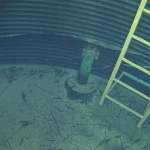
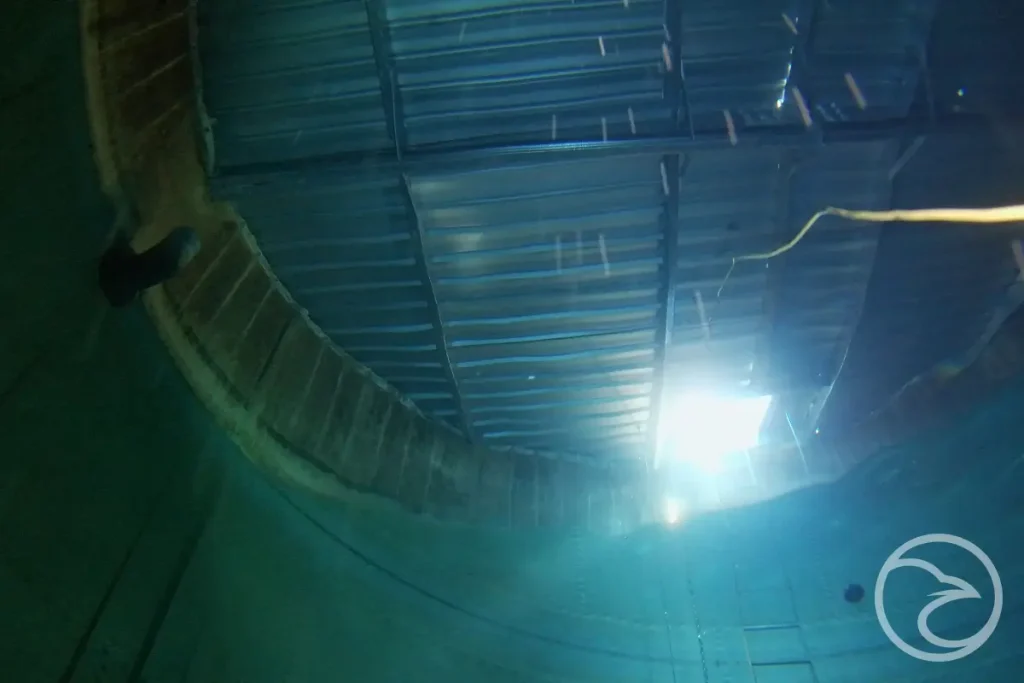
Remote Operated Vehicles (ROVs) allow inspectors to examine tank interiors without entering confined spaces.
Benefits include:
- Improved safety
- Reduced downtime
- Enhanced inspection coverage
- Better visual documentation
Drone Inspections
Drone technology is increasingly used to assess roofs, external structures, and difficult-to-access areas. Inspectors can quickly identify visible defects while minimising access risks.
These technologies are discussed in greater detail in our article about ROV and drone fire tank inspections.
Documentation and Recordkeeping
Maintaining accurate records is an important part of fire tank compliance. Documentation provides evidence that inspections and maintenance activities have been completed.
Common records include:
- Inspection reports
- Maintenance logs
- Repair histories
- Asset condition assessments
- Compliance documentation
Well-maintained records support both operational management and compliance reviews.
Developing a Long-Term Compliance Strategy
Compliance should be viewed as an ongoing process rather than a single inspection event.
A successful strategy typically includes:
- Scheduled inspections
- Routine maintenance
- Condition monitoring
- Defect management
- Asset lifecycle planning
This proactive approach helps reduce risk and improve system reliability over time. Facility owners who invest in preventative maintenance often experience fewer unexpected failures and lower long-term costs.
Benefits of Maintaining Fire Tank Compliance
Maintaining compliance delivers benefits beyond regulatory requirements.
These include:
- Improved emergency readiness
- Increased asset lifespan
- Reduced maintenance costs
- Better operational reliability
- Lower risk of system failure
- Improved facility safety
Compliance activities help ensure fire protection systems remain capable of performing during critical situations.
Conclusion
Fire tank compliance is an essential part of responsible facility management in Melbourne. Regular inspections, preventative maintenance, accurate documentation, and ongoing condition monitoring all contribute to system reliability and long-term asset performance.
By understanding local compliance expectations and adopting a proactive maintenance strategy, facility owners can better protect their assets, support emergency preparedness, and reduce operational risks.