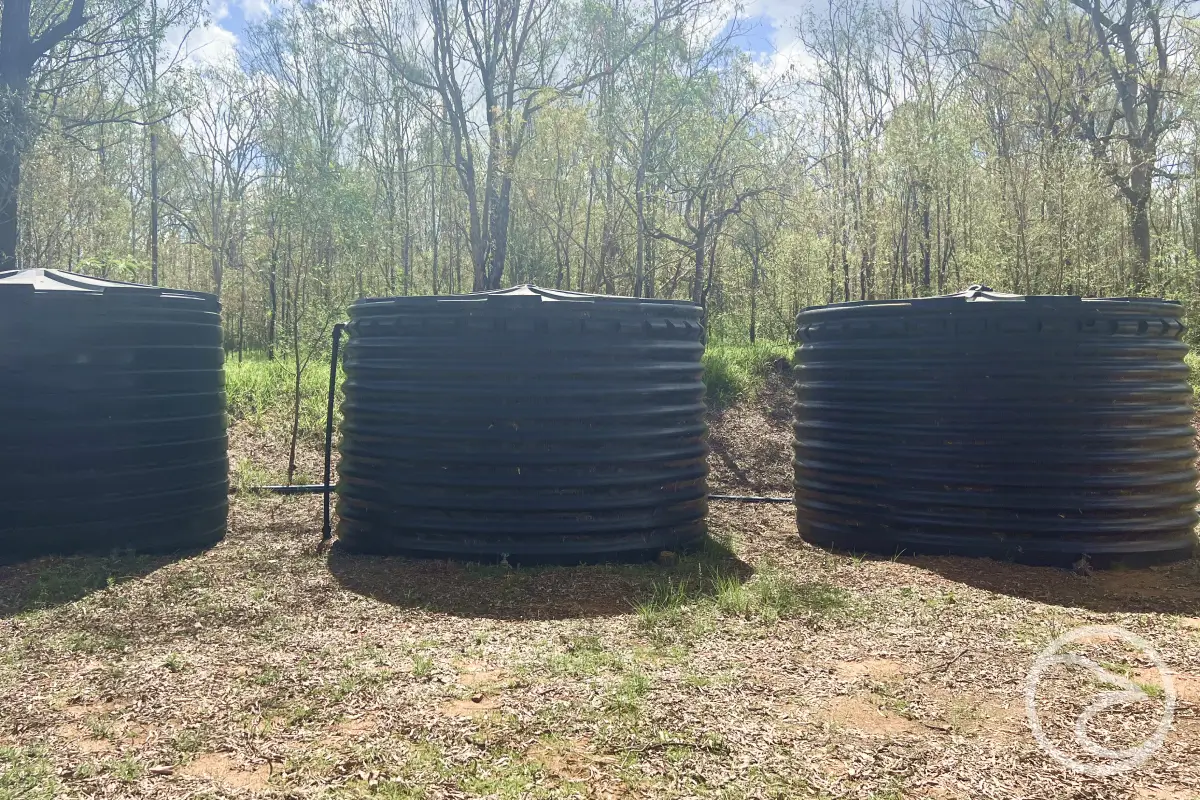
Underground stormwater detention tanks play an important role in managing runoff from developed properties. These systems temporarily store stormwater before releasing it into the drainage network at a controlled rate.
However, their underground location makes it difficult to identify problems through routine surface observations. Sediment accumulation, blocked outlets, damaged components, and structural deterioration may remain hidden until drainage performance declines.
Understanding how underground stormwater detention tanks are inspected helps property owners recognise potential issues and plan appropriate assessments.
This guide explains the inspection process, the components examined, common defects, and the challenges associated with underground detention systems.
What is an Underground Stormwater Detention Tank?
An underground stormwater detention tank is a storage structure designed to temporarily hold stormwater runoff during rainfall events. Instead of allowing large volumes of water to enter the drainage network immediately, the system releases water gradually.
This controlled discharge helps reduce peak flows entering downstream stormwater infrastructure. Underground detention systems are commonly installed beneath car parks, driveways, landscaped areas, and other developed spaces.
They are particularly useful where available land is limited or surface storage is impractical.
Depending on the design, an underground detention system may include:
-
Concrete storage chambers or underground tanks.
-
Stormwater inlet pipes and connections.
-
Outlet control devices that regulate discharge.
-
Access openings and inspection chambers.
-
Sediment collection areas or sumps.
-
Overflow arrangements for exceptional rainfall conditions.
-
Internal structural supports, walls, and joints.
Some systems use modular storage structures, while others incorporate purpose-built concrete chambers. Their construction and access arrangements influence how inspections can be performed.
How do Underground Detention Tanks Differ From Other Stormwater Systems?
Detention tanks temporarily store runoff and release it at a controlled rate. Retention systems, by comparison, are generally designed to retain water for reuse, infiltration, or other purposes.
The distinction matters because detention systems must maintain their intended discharge performance. A blocked outlet or accumulated sediment can interfere with the designed flow characteristics.
For this reason, an underground detention tank assessment considers both physical condition and drainage functionality.
Why do Underground Detention Tanks Require Condition Assessments?
Underground detention tanks operate in environments where moisture, sediment, and changing hydraulic conditions are common. Over time, these conditions can affect internal components and drainage performance.
Unlike above-ground infrastructure, many problems cannot be observed without accessing the underground system. A tank may appear normal from the surface while containing significant sediment deposits or damaged internal components.
Hidden Deterioration
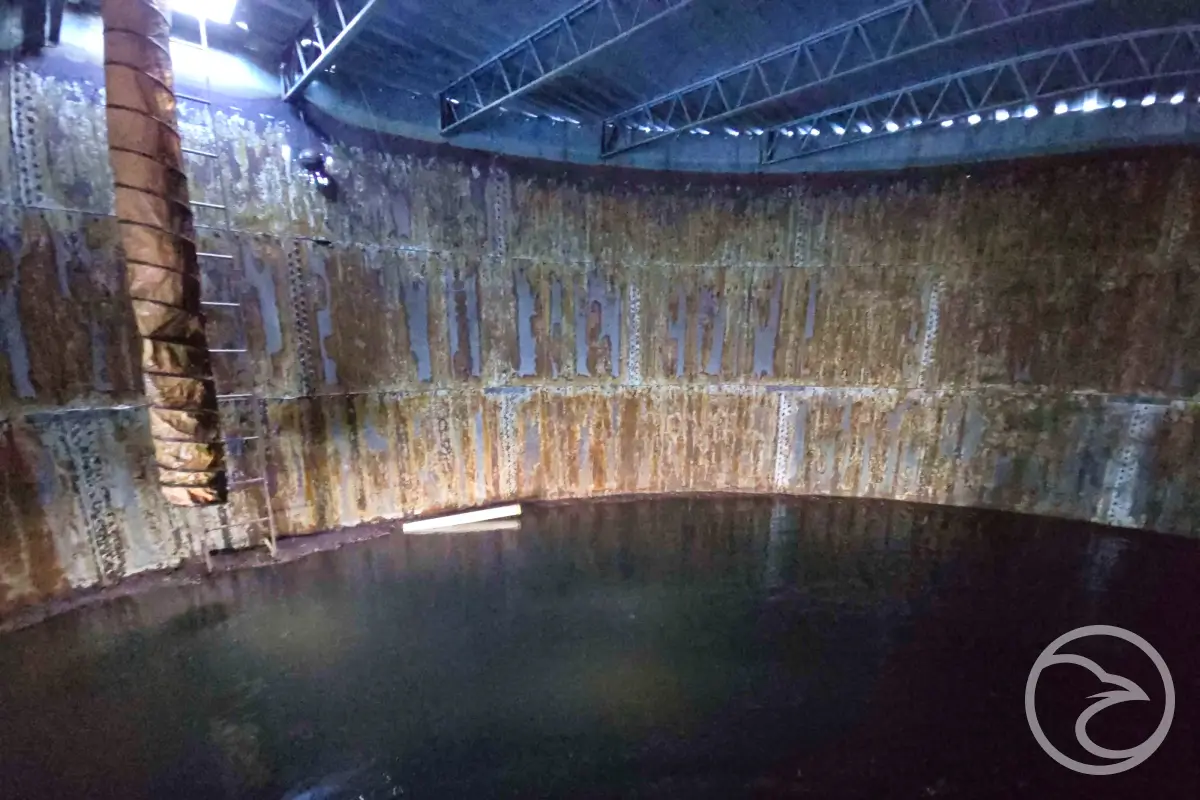
Underground structures may experience deterioration associated with moisture exposure, chemical conditions, ground movement, or ageing materials. Concrete surfaces can develop cracks, spalling, or other visible defects.
Metallic components may corrode, particularly where protective coatings have deteriorated. Joints and connections can also experience displacement or damage.
Not every visible defect indicates an immediate structural concern. However, significant deterioration may require specialist engineering assessment.
Sediment and Debris Accumulation
Stormwater frequently carries soil particles, leaves, litter, and other debris. Some material settles inside detention chambers, especially where water velocity decreases.
Over time, accumulated sediment can reduce available storage volume and obstruct drainage components. The effect depends on the system’s geometry, sediment distribution, and outlet configuration.
Restricted Access
Many underground detention systems have limited access openings. Their internal layout may include partitions, narrow passages, submerged areas, or difficult-to-reach compartments.
These conditions can make visual assessment challenging. They also influence whether remote equipment or controlled physical entry is appropriate.
How are Underground Stormwater Detention Tanks Inspected?
An underground detention tank inspection generally involves several stages. The exact procedure depends on the tank design, accessibility, water levels, and assessment objectives.
Some inspections can be completed using surface observations and remote equipment. Others may require specialist access arrangements or further investigation.
Step 1: Reviewing Tank Information and Site Conditions
The process begins with reviewing available information about the detention system. Relevant documents may include construction drawings, drainage plans, previous inspection reports, and maintenance records.
These records help identify the intended storage configuration and discharge arrangements.
Inspectors may also review:
-
Tank location and approximate dimensions.
-
Available access points.
-
Inlet and outlet positions.
-
Known drainage complaints.
-
Previous repairs or modifications.
-
Potential hazards associated with the site.
Understanding the original design helps distinguish intended features from possible defects. Where drawings are unavailable, the assessment may need to establish the visible configuration on site.
Step 2: Examining External Access Points
Before examining the internal structure, accessible external components are assessed. These may include inspection openings, access covers, surrounding surfaces, and associated drainage infrastructure.
Visible evidence of settlement, damaged covers, or water escaping around connections may indicate potential concerns. Inspectors also consider whether access arrangements are suitable for the proposed inspection method.
An access opening does not automatically mean the space is safe for human entry. Underground tanks may meet the definition of confined spaces under Australian work health and safety requirements.
Any entry must follow applicable safety procedures and site-specific risk controls.
Step 3: Assessing Water Levels and Internal Conditions
Water levels can affect both inspection access and visibility. Some detention systems drain substantially between rainfall events.
Others may retain water because of their design, downstream conditions, sediment deposits, or drainage restrictions. Inspectors consider whether the observed water level is consistent with the system’s intended operation.
Standing water alone does not establish that a detention tank is defective. Rainfall history, outlet elevation, downstream conditions, and the approved design must also be considered.
Where internal water is present, suitable remote inspection equipment may help assess submerged or partially submerged areas.
Step 4: Examining Internal Surfaces
Accessible internal surfaces are examined for visible deterioration or damage.
The assessment may focus on:
-
Concrete cracking or surface deterioration.
-
Exposed or corroded reinforcement.
-
Damaged coatings or protective finishes.
-
Displaced joints and connections.
-
Debris accumulation against structural elements.
-
Signs of leakage or water movement through unintended locations.
The significance of these findings depends on their extent, location, and potential effect on the structure. Visual inspection can identify conditions requiring further investigation.
However, it cannot always determine the underlying cause or remaining structural capacity.
Step 5: Checking Inlet and Outlet Components
Inlet and outlet arrangements are essential to detention tank performance. The inlet directs runoff into the storage structure. The outlet controls how quickly stored water is discharged.
During an inspection, accessible components may be examined for obstruction, damage, or unexpected changes. Particular attention may be given to outlet control plates, screens, pipes, and surrounding sediment deposits. A partially blocked outlet can restrict discharge and increase the time required for stored water to drain.
Damaged or altered outlet controls may also change the system’s hydraulic behaviour. Visual observations alone may not confirm compliance with the approved discharge rate.
Hydraulic calculations, design records, or additional testing may be needed.
Step 6: Documenting Defects and Inspection Limitations
Observed conditions are recorded through photographs, video footage, written notes, or other suitable methods. The documentation should identify where relevant defects were found. It should also explain which areas could not be examined.
For example, sediment deposits may conceal floor surfaces, while poor visibility may limit underwater observations. These limitations are important when interpreting inspection findings.
An area that could not be viewed should not be described as defect-free.
Step 7: Preparing Findings and Recommendations
The inspection concludes with a summary of the observed conditions. The report may identify visible defects, potential drainage restrictions, and areas requiring further investigation.
Recommendations depend on the findings. They may include sediment removal, outlet cleaning, additional testing, engineering review, or subsequent assessment.
The purpose is to provide useful information for managing the detention system.
Which Components are Examined During an Underground Detention Tank Inspection?
An underground stormwater detention tank contains several interconnected components. Their condition can influence storage performance, structural reliability, and drainage functionality.
Internal Walls and Structural Surfaces
Concrete walls, floors, ceilings, and supports may be examined for visible deterioration. Cracks, displaced elements, and exposed reinforcement can indicate conditions requiring attention.
The assessment should distinguish minor surface imperfections from potentially significant defects. Where structural concerns exist, further evaluation by a suitably qualified engineer may be appropriate.
Inlet Pipes and Connections
Inlet pipes carry runoff from surrounding drainage infrastructure into the detention tank. These connections may accumulate debris or experience damage over time.
An inspection can identify visible obstructions, displaced fittings, and deterioration near accessible connections. Restricted inlet flow may contribute to upstream drainage problems.
Outlet Control Devices
Outlet controls regulate the release of stored stormwater. Depending on the design, these may include orifice plates, pipes, screens, or other flow-control arrangements.
Sediment and debris can interfere with these components. Inspectors may also identify visible damage or unauthorised modifications.
Because outlet controls affect discharge performance, their condition deserves particular attention.
Access Chambers and Covers
Access chambers provide a means of examining or servicing underground detention infrastructure. Damaged covers, obstructed openings, or deteriorated chamber walls can complicate future assessments.
Their condition also affects site safety. Access arrangements should remain appropriate for the system’s intended inspection and servicing requirements.
Internal Floors and Sediment Collection Areas
Tank floors and low points may collect sediment carried by stormwater. An inspection can help identify the location and apparent extent of deposits.
Where sediment is substantial, it may conceal floor defects or restrict flow paths. Additional cleaning or assessment may be required before concealed surfaces can be evaluated.
For a detailed overview of the key components and conditions to assess, refer to our stormwater detention inspection checklist.
What Problems can be Found Inside Underground Detention Tanks?
The defects found during an inspection depend on the tank’s construction, age, operating conditions, and previous upkeep. Several conditions are particularly relevant to underground stormwater infrastructure.
Blocked or Restricted Outlets
Debris, sediment, and other material can accumulate around outlet components. These restrictions may prevent water from leaving the tank as intended.
Depending on the severity, water may remain inside longer than expected. Persistent restrictions can also affect upstream drainage performance during subsequent rainfall events.
Excessive Sediment Deposits
Sediment occupies space that would otherwise be available for stormwater storage. Large deposits may also interfere with internal flow paths and outlet controls.
The presence of sediment is not automatically evidence of system failure. However, excessive accumulation can justify further assessment or removal.
Concrete Cracking and Deterioration
Underground concrete structures may develop cracks or surface defects. Possible contributing factors include movement, material deterioration, loading, and environmental exposure.
An inspection can document visible conditions. Determining structural significance may require additional engineering investigation.
Corrosion of Metallic Components
Metal components may be exposed to moisture and other corrosive conditions. Corrosion can affect access hardware, brackets, reinforcement, or other installed elements.
The extent of deterioration determines whether repair, replacement, or further assessment is necessary.
Damaged Connections and Joints
Pipe connections and construction joints may deteriorate or become displaced. These conditions can contribute to unintended water movement or localised damage.
Visible defects should be considered alongside the surrounding structure and drainage arrangement.
Unexpected Water Retention
Water remaining inside a detention tank may indicate restricted drainage. However, retained water can also reflect the system’s intended design or downstream water levels.
An assessment should consider rainfall conditions and available design information before identifying a drainage defect.
What Makes Underground Detention Tank Inspections Difficult?
Underground detention systems present challenges that are less common with readily accessible surface infrastructure. These challenges affect inspection planning, equipment selection, and the interpretation of findings.
Limited Physical Access
Some tanks have only small access openings. Internal compartments may be separated by walls, supports, or narrow passages.
This can prevent equipment from reaching every area. Inspection coverage should therefore be documented clearly.
Poor Underwater Visibility
Stormwater can contain suspended sediment and organic material. These particles may reduce visibility, particularly after rainfall.
Disturbing settled deposits can further obscure submerged surfaces. In these conditions, camera footage may not provide sufficient detail for a complete visual assessment.
Confined Space Hazards
Underground detention tanks may contain confined space hazards. Potential risks include hazardous atmospheres, oxygen deficiency, engulfment, and restricted access or escape.
In Victoria, applicable occupational health and safety requirements must be considered before entry. Remote inspection methods can reduce the need for physical entry in suitable circumstances.
However, remote inspection does not remove every site hazard.
Hidden or Submerged Defects
Sediment, standing water, and internal structures can conceal defects. Even high-quality cameras cannot assess surfaces that remain obstructed.
Where important areas cannot be viewed, cleaning, alternative methods, or additional investigation may be necessary.
Complex Tank Configurations
Large detention systems may contain multiple chambers and interconnected flow paths. An inspection method suitable for one compartment may not work elsewhere.
Effective planning considers the entire accessible configuration rather than a single opening.
Can Underground Detention Tanks be Inspected without Full Entry?
In some circumstances, underground detention tanks can be examined using remote inspection equipment. This approach may reduce the need for personnel to enter restricted spaces.
The most suitable method depends on the conditions inside the tank.
Remote Camera Inspections
Cameras may be introduced through suitable access openings to examine visible internal areas. These systems can help document surfaces, connections, sediment deposits, and accessible components.
Their effectiveness depends on lighting, camera positioning, access geometry, and visibility. A camera inspection may provide useful information without requiring direct physical access.
However, it may not reveal defects behind structural elements or beneath sediment.
Underwater Camera and ROV Assessments
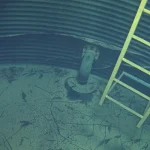
Where water is present, underwater cameras or remotely operated vehicles may support internal examination. ROVs are controlled from outside the tank and can carry cameras and lighting equipment. Suitable systems may allow inspectors to examine submerged surfaces and difficult-to-reach areas.
Their use depends on tank dimensions, access openings, internal obstructions, and water conditions. ROV inspections also have limitations.
Turbid water, narrow passages, and accumulated sediment can restrict navigation and visibility. Remote visual equipment cannot independently establish the structural capacity of a tank.
When is Additional Investigation Necessary?
Further investigation may be required when important defects are suspected but cannot be confirmed visually. Examples include concealed structural damage, significant cracking, or uncertain outlet performance.
Depending on the concern, additional work may involve cleaning, specialised testing, engineering assessment, or hydraulic review. The inspection method should match the information needed.
To understand how remote inspection technologies differ, explore our guide to water tank inspections using ROVs vs drones.
How are Underground Detention Tank Inspection Findings Used?
Inspection findings help property owners and responsible parties understand the observed condition of their detention infrastructure.
The information can support decisions about further investigation and corrective work.
Identifying Drainage Restrictions
Inspection records may reveal sediment deposits, obstructed screens, or damaged outlet components. These findings can help explain why drainage performance appears different from expected conditions.
However, some drainage problems originate outside the tank. Downstream restrictions or network conditions may also require investigation.
Planning Corrective Work
Where defects are identified, the report can help prioritise appropriate actions. For example, an obstructed outlet may require cleaning.
A damaged structural component may require engineering review before repairs are planned. The recommended response should reflect the nature and significance of the findings.
Establishing a Condition Record
Photographs, videos, and written observations provide a reference for future assessments. Comparing inspection records over time can help identify changes in visible conditions.
Consistent documentation is particularly useful where defects develop gradually.
Supporting Asset Management
Underground detention tanks form part of a property’s stormwater infrastructure. Their condition may affect drainage reliability and future maintenance planning.
Inspection findings can help building managers, facility operators, and other responsible parties make informed decisions.
When does an Underground Detention Tank Need Professional Assessment?
Several observations may justify a closer examination of underground detention infrastructure.
These include:
-
Water remaining in the tank longer than expected.
-
Repeated drainage problems following rainfall.
-
Visible sediment accumulation near access openings.
-
Suspected blockages within outlet arrangements.
-
Damaged access chambers or covers.
-
Signs of settlement near underground infrastructure.
-
Previous reports identifying unresolved defects.
-
Uncertainty about the condition of an older detention system.
These observations do not always confirm that the tank itself is defective. A professional assessment can help determine which components require attention and whether additional testing is appropriate.
Specialist stormwater detention tank inspections can document accessible internal conditions and identify issues requiring further investigation.
Final Thoughts
Underground stormwater detention tanks perform an important function within urban drainage systems. However, their concealed location can make deterioration and drainage restrictions difficult to identify.
An effective inspection considers the tank structure, inlet and outlet components, sediment conditions, and available access. Remote cameras and underwater equipment can support assessments where physical access is limited.
Nevertheless, visibility restrictions and concealed defects may require additional investigation. Understanding how underground stormwater detention tanks are inspected helps property owners interpret findings and manage drainage infrastructure more effectively.