Industrial and commercial tanks are essential assets for water storage, fire protection, and process operations. However, over time, even the most durable tanks begin to show signs of wear, corrosion, and reduced efficiency. When this happens, businesses are faced with an important decision: should you invest in tank refurbishment or opt for full replacement?
Understanding the differences between these two options can help you make a cost-effective and practical decision for your system.
What is Tank Refurbishment?
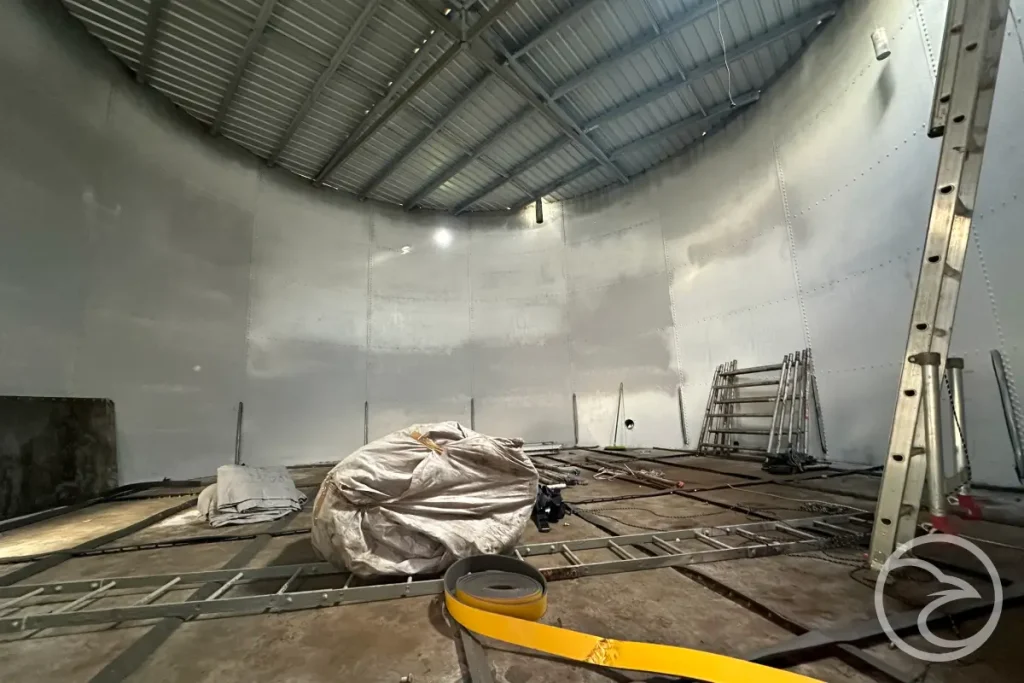
Tank refurbishment involves restoring an existing tank to improve its performance, safety, and lifespan. Instead of replacing the entire structure, refurbishment focuses on repairing and upgrading key components.
This process may include:
- Cleaning and surface preparation
- Corrosion treatment
- Internal lining installation or repair
- Structural repairs
Tank refurbishment is designed to extend the life of the tank while minimizing disruption and cost.
What Does Tank Replacement Involve?
Tank replacement means removing the existing tank and installing a new one. This is typically necessary when the tank has reached the end of its lifespan or has severe structural damage.
Replacement often includes:
- Demolition and removal of the old tank
- Installation of a new system
- Upgrading materials and design
While this option provides a completely new system, it usually requires more time, budget, and planning.
Key Differences Between Refurbishment and Replacement
Cost
One of the biggest differences is cost. Tank refurbishment is generally more affordable because it reuses the existing structure.
Replacement involves:
- Higher material costs
- Labor and installation expenses
- Possible downtime costs
For many businesses, refurbishment offers a more budget-friendly solution.
Time and Downtime
Refurbishment can often be completed faster than full replacement. This reduces operational disruptions and keeps systems running.
Replacement projects may require:
- Longer project timelines
- System shutdowns
- Additional logistics
Minimizing downtime is critical in industries where continuous operation is required.
Lifespan Extension
Refurbishment can significantly extend the lifespan of a tank, especially if the main structure is still in good condition.
However:
- Replacement provides a completely new lifespan
- Refurbishment adds years, but not always decades
The decision depends on the current condition of the tank.
Structural Condition
If the tank structure is still sound, refurbishment is often the best option. However, if there is severe damage, replacement may be necessary.
Refurbishment is suitable for:
- Surface corrosion
- Minor structural issues
- Liner damage
Replacement is required when:
- Structural integrity is compromised
- The tank is beyond repair
Compliance and Standards
In some cases, older tanks may not meet current safety or regulatory standards.
Refurbishment can help upgrade:
- Linings
- Safety features
- Internal components
However, replacement may be needed if the design itself does not meet modern requirements.
When to Choose Tank Refurbishment
Tank refurbishment is the right choice when:
- The tank structure is still stable
- Damage is limited or repairable
- Budget constraints are a factor
- You want to minimize downtime
It is a practical solution for extending the life of existing systems without major investment.
When to Choose Tank Replacement
Replacement is more suitable when:
- The tank has severe structural damage
- The system is outdated or inefficient
- Long-term reliability is the priority
- Compliance cannot be achieved through refurbishment
In these cases, investing in a new system may provide better long-term value.
Cost vs Long-Term Value
While refurbishment is more cost-effective upfront, replacement may offer better long-term benefits in certain situations.
The key is to evaluate:
- Current tank condition
- Expected lifespan after refurbishment
- Total lifecycle costs
A professional assessment can help determine the best option.
Making the Right Decision
Choosing between tank refurbishment vs replacement depends on a combination of factors, including cost, condition, and operational needs.
A thorough inspection is essential to understand:
- Structural integrity
- Internal damage
- Compliance requirements
With the right information, you can make a decision that balances performance, safety, and budget.
Final Thoughts
Both tank refurbishment and replacement have their advantages. Refurbishment offers a cost-effective way to extend the life of your tank, while replacement provides a completely new system with long-term reliability.
By carefully evaluating your tank’s condition and operational requirements, you can choose the best option between tank refurbishment vs replacement to support your business goals.