Storage tanks are essential across industrial, agricultural, municipal, and commercial environments. They safely contain water, fuels, chemicals, and other bulk materials, often for many years. However, no tank lasts forever. Over time, environmental exposure, operational stress, and material aging can gradually affect structural integrity. Understanding why storage tanks deteriorate helps operators protect infrastructure, improve reliability, and reduce unexpected disruptions.
Environmental Exposure and Weather Conditions
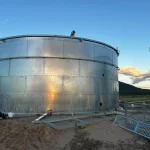
One of the most significant factors influencing tank deterioration is environmental exposure. Tanks installed outdoors face constant stress from sunlight, temperature changes, humidity, rainfall, and wind. UV radiation can weaken coatings and external surfaces, while repeated heating and cooling cycles cause expansion and contraction in materials.
In regions with extreme weather, such as high humidity, coastal salt exposure, or temperature swings, deterioration may accelerate. Protective coatings, shading strategies, and environmental monitoring can help reduce these effects over time.
Corrosion and Chemical Interaction
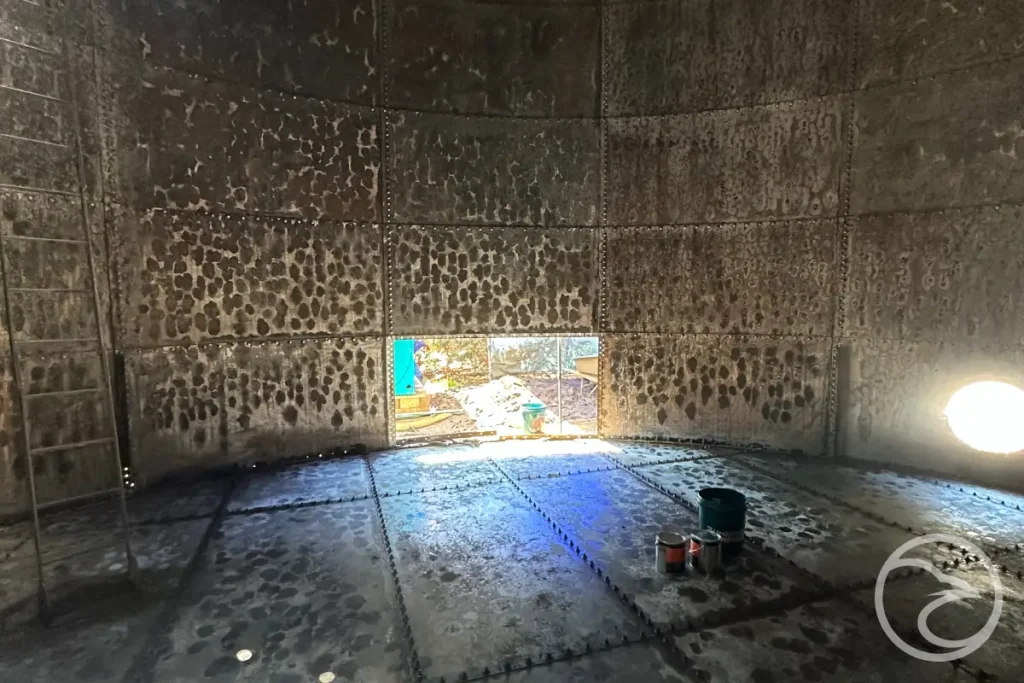
Corrosion is a leading cause of storage tank deterioration, particularly for metal tanks. Moisture, oxygen, and chemical exposure can trigger gradual oxidation that weakens structural components. Even tanks storing relatively neutral liquids may experience internal condensation that promotes corrosion.
Chemical storage introduces additional complexity. Some substances can react with tank surfaces or protective coatings, leading to faster degradation. Selecting compatible materials and maintaining stable internal conditions help slow corrosion processes.
Structural Stress and Operational Cycles
Storage tanks experience ongoing operational stress. Filling and emptying cycles create internal pressure variations that affect walls, seams, and support structures. Over time, this repeated stress may lead to fatigue, deformation, or minor structural changes.
Mechanical vibration from nearby equipment, accidental impacts, or uneven loading can also contribute to gradual wear. Consistent operational awareness and careful handling reduce unnecessary structural strain.
Foundation and Ground Movement
Tank stability depends heavily on the condition of its foundation. Soil erosion, water accumulation, seasonal ground shifts, or inadequate base preparation can lead to uneven settlement. When foundations move, stress may transfer to tank walls, joints, and connections.
Maintaining proper drainage, monitoring ground stability, and ensuring solid base support help prevent foundation-related deterioration.
Aging Protective Coatings and Linings
Protective coatings, waterproofing layers, and internal linings are designed to extend tank lifespan. However, these materials naturally degrade over time. Exposure to UV light, chemicals, temperature changes, and abrasion gradually reduces their effectiveness.
As coatings age, underlying materials become more vulnerable to corrosion, moisture penetration, and environmental damage. Periodic evaluation of protective layers supports long-term structural performance.
Water Quality and Internal Conditions
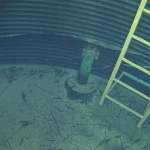
The quality of stored liquids also influences tank longevity. Sediment buildup, microbial growth, or chemical imbalances may accelerate internal wear. In water storage systems, mineral deposits and biological activity can affect surfaces, seals, and internal components.
Maintaining appropriate water quality and cleanliness helps reduce these internal stress factors.
Maintenance Practices and Operational Awareness
Although deterioration is inevitable to some extent, operational practices strongly influence how quickly it occurs. Inconsistent monitoring, delayed response to early warning signs, or lack of preventive planning can allow minor issues to develop into larger structural concerns.
Proactive observation and informed operational practices help extend the useful life of storage tanks and improve overall safety.
Long-term storage reliability often depends on regular structural condition monitoring.
Why Understanding Deterioration Matters
Recognizing why storage tanks deteriorate helps organizations make better infrastructure decisions. Awareness of environmental factors, material limitations, and operational stresses allows for smarter planning, safer storage, and more predictable performance.
When deterioration factors are understood early, facilities can manage risks more effectively, maintain system reliability, and protect valuable stored resources over the long term.