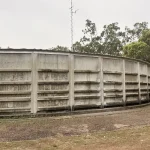
Internal degradation in fire storage tanks is a gradual process driven by the unique operating conditions of fire water systems. Unlike potable or process water tanks, fire storage tanks are designed to remain filled for extended periods with minimal water movement. While this standby function is essential for emergency readiness, it also creates internal environments that accelerate material ageing and surface degradation over time.
The Unique Operating Conditions of Fire Storage Tanks
Fire storage tanks typically experience long periods of static water storage. Water turnover is limited, and internal circulation is minimal except during periodic testing or inspections. These conditions allow physical and chemical processes to develop slowly but continuously inside the tank.
Over time, stagnant water can promote sediment accumulation, stratification, and uneven exposure of internal surfaces. These factors contribute directly to internal degradation in fire storage systems, particularly when tank materials remain in constant contact with stored water.
How Internal Degradation Develops Over Time
Internal degradation rarely occurs as a sudden failure. Instead, it develops incrementally as materials respond to prolonged exposure. In steel tanks, internal surfaces may experience corrosion due to dissolved oxygen and moisture. In concrete tanks, water penetration can weaken surface layers, while composite materials may show degradation at joints and interfaces.
Sediment buildup at the tank base is a common contributor. Fine particles settle over time, creating zones of increased moisture retention and reduced oxygen exchange. These localised conditions accelerate degradation processes that may remain undetected for years.
The Role of Water Chemistry
Water chemistry plays a significant role in internal degradation in fire storage tanks. Variations in pH, mineral content, and dissolved gases influence how materials react internally. Even water that meets basic quality standards can contribute to degradation when stored under static conditions for long durations.
Chemical interactions between stored water and tank materials may slowly alter surface properties. Over time, this can lead to surface roughening, loss of protective layers, or increased susceptibility to corrosion and wear.
Material-Specific Degradation Patterns
Different tank materials respond differently to internal fire storage conditions. Steel tanks are particularly sensitive to corrosion, especially at welds, seams, and areas with limited circulation. Concrete tanks may experience moisture ingress and microcracking, which can expand gradually under prolonged exposure.
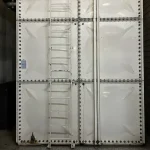
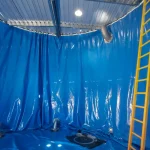
Composite and lined tanks generally offer higher resistance to moisture-related degradation, but they are not immune. Joints, penetrations, and transition points between materials often represent areas where internal degradation begins. Understanding these material-specific patterns helps explain why degradation is often uneven across internal surfaces.
Understanding how internal surfaces respond to prolonged static water exposure is essential when assessing fire storage performance, particularly within broader technical discussions on internal tank protection and material behaviour in fire water systems.
Environmental and Structural Influences
Although fire storage tanks are enclosed structures, external environmental factors still influence internal conditions. Temperature fluctuations can affect internal pressure, condensation cycles, and material movement. Seasonal changes may introduce repeated thermal stress that contributes to gradual degradation.
Structural movement, even at a minimal level, can also affect internal surfaces. Expansion and contraction of tank components may stress internal layers and interfaces, increasing vulnerability to long-term wear.
Long-Term Implications of Internal Degradation
If left unaddressed, internal degradation in fire storage tanks can affect structural reliability and operational readiness. Material thinning, surface deterioration, or weakened interfaces may reduce the tank’s ability to perform as intended during an emergency event.
Because fire storage tanks are rarely accessed internally, degradation often progresses unnoticed. By the time visible signs appear, internal changes may already be advanced. This highlights the importance of understanding degradation mechanisms rather than relying solely on external indicators.
Interpreting Internal Degradation as Part of Tank Ageing
Internal degradation in fire storage should be viewed as part of the natural ageing process of long-term storage systems. Rather than indicating immediate failure, early degradation signals reflect how materials respond to static water exposure over time.
By recognising common degradation pathways, engineers and facility managers can better interpret internal condition changes and assess long-term performance expectations. This knowledge supports informed planning and reinforces the importance of internal material behaviour in maintaining reliable fire water storage systems.