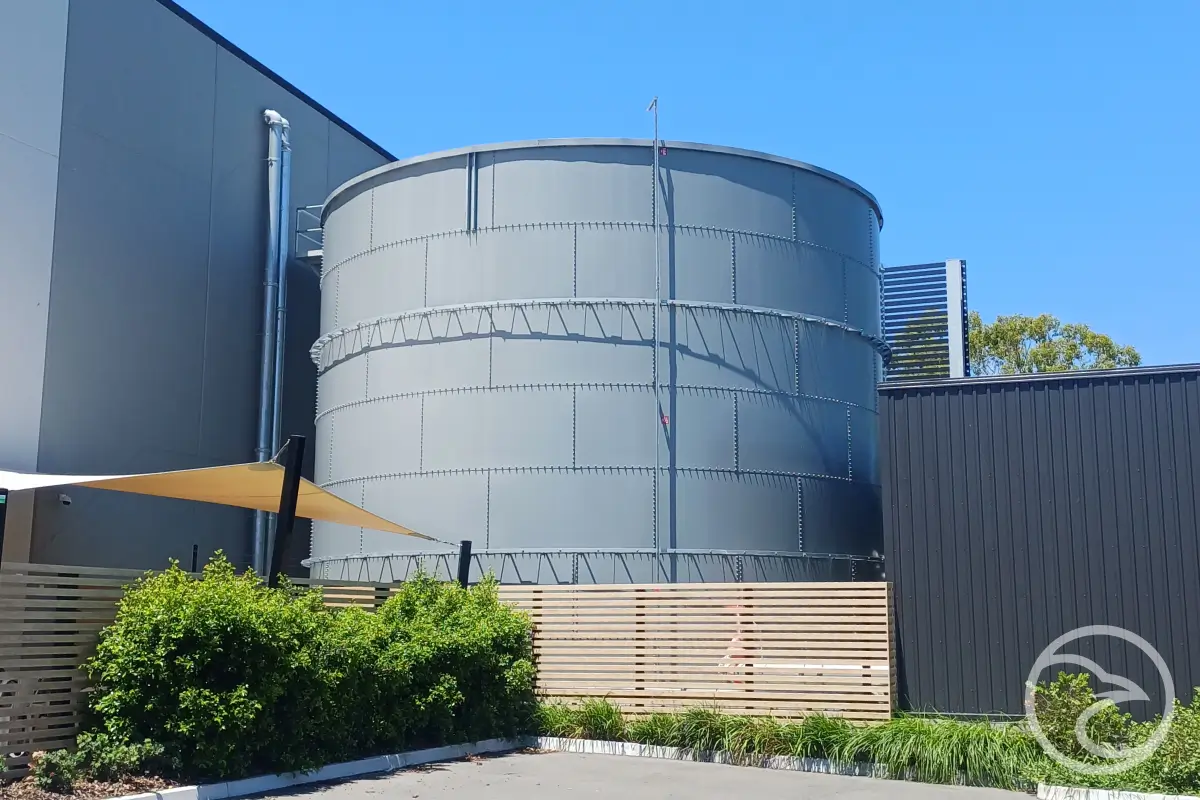
Melbourne’s climate is known for its unpredictable shifts, with rapid changes in temperature, humidity, rainfall, and wind conditions occurring throughout the year. These seasonal variations can significantly influence the performance, safety, and longevity of industrial and commercial water tanks. Understanding the seasonal impact tank integrity is essential for facility managers, asset owners, and maintenance teams who rely on stable water storage systems for daily operations, fire protection, and environmental management.
Seasonal effects may not always cause immediate damage, but gradual structural changes, material stress, and environmental exposure can accumulate over time and compromise long-term tank performance.
1. Temperature Fluctuations and Material Stress
Melbourne frequently experiences sharp temperature variations within short timeframes. When tanks expand and contract due to heat and cold, structural stress increases.
This thermal cycling affects:
- steel tanks, which expand under heat and contract under cold, stressing welds and joints
- concrete tanks, which may develop microcracks during rapid cooling
- FRP and polymer tanks, which can warp or weaken if exposed to prolonged heat
Continuous thermal stress can lead to weakened walls, compromised seals, and reduced structural stability.
2. UV Exposure and Material Degradation
Melbourne’s summer months bring intense UV radiation. Long-term ultraviolet exposure accelerates material deterioration, especially in:
- polymer-based tanks
- coatings and linings
- sealants
- external fittings
UV damage causes brittleness, discoloration, surface cracking, and reduced tensile strength. Tanks exposed to full sun without protective coating or shading experience faster material fatigue and shorter service life.
3. Heavy Rainfall and Foundation Stability
Seasonal storms and high rainfall events can quickly saturate surrounding soil. Excess water affects foundations by causing:
- soil movement or sinking
- erosion around structural supports
- uneven ground pressure
- increased risk of foundation cracking
If a water tank becomes unevenly supported, structural distortion may occur, affecting overall tank performance and integrity.
Maintaining proper drainage and runoff channels helps reduce seasonal foundation stress and prevents long-term deformation.
4. Wind Loads and Storm Events
Melbourne’s strong winds—especially during spring—exert lateral pressure on above-ground tanks. Tanks with tall profiles, lightweight materials, or inadequate anchoring systems face greater risks, including:
- wall deformation
- roof lift
- structural bracing strain
- seal or gasket damage
Repeated seasonal wind exposure gradually weakens structural components, even if damage is not immediately obvious.
5. Seasonal Sediment Accumulation and Water Quality Shifts
Rainfall, temperature changes, and wind can increase sediment and debris entering storage systems. Higher sediment levels contribute to:
- reduced water clarity
- microbial activity
- chemical imbalance
- accelerated corrosion
- increased pressure on filtration systems
Seasonal contamination risks also affect seasonal impact tank integrity, as sediment buildup adds uneven pressure to the tank base and internal walls.
6. Winter Conditions and Freezing Risks
Although Melbourne does not experience severe freezing compared to colder climates, low temperatures can still affect tank components. Risks include:
- stiffening of polymer pipes and fittings
- increased brittleness in coatings
- condensation build-up that accelerates corrosion
- minor ice formation in exposed lines
Even small amounts of freezing can slow flow rates, increase mechanical strain, or cause microfractures.

7. Biological Growth During Warm Seasons
Warm weather increases evaporation, heat exposure, and nutrient availability — conditions that promote algae and bacterial growth inside tanks. Seasonal increases in microbial activity can affect:
- water odour and taste
- chemical balance
- internal coating deterioration
- blockages in outlet points
Regular inspections during summer help identify early signs of biological contamination.
8. Structural Connections and Joint Fatigue
Repeated seasonal movement places stress on:
- flanges
- bolted joints
- welded seams
- roof-to-wall connections
- manway gaskets
Over time, repeated expansion, contraction, and wind movement may result in gaps or weakened seals that compromise tank integrity.
Routine checking of connections helps prevent leaks, infiltration, and structural instability.
9. Preventative Approaches for Seasonal Tank Protection
To reduce weather-related impacts on water storage systems in Melbourne, asset managers can adopt several preventative strategies:
Thermal and UV Protection
- reflective coatings
- insulation wraps
- shading structures
- UV-stabilised materials
Foundation and Drainage Management
- maintaining proper grading
- soil stabilisation
- inspection after heavy rainfall
Wind Reinforcement
- strengthened anchoring
- side bracing
- roof protection systems
Seasonal Water Quality Monitoring
- turbidity checks
- sediment assessments
- microbial testing
Routine Structural Inspections
- examining joints, seams, and supports
- monitoring deformation
- checking coatings and internal linings
Proactive management ensures tanks remain stable and functional despite seasonal changes. Seasonal changes also highlight the value of consistent system upkeep, which supports long-term structural performance throughout the year.
Conclusion
Melbourne’s dynamic climate significantly influences the structural performance and longevity of water storage systems. Understanding the seasonal impact tank integrity helps facility operators anticipate challenges posed by temperature shifts, rainfall, wind exposure, UV radiation, and seasonal water quality changes.
With appropriate preventative strategies, tanks can maintain long-term reliability and support critical operations throughout the year.