Fire tank inspections often involve elevated structures and difficult access points. Traditional inspection methods may require scaffolding, ladders, or temporary shutdowns.
Drone technology is now becoming more common during visual inspection programs because of the growing benefits of drone tank inspections. Many facilities use drones to improve inspection access, safety, and reporting efficiency. Modern drone systems can capture detailed imagery without direct physical access to tank roofs or upper structures.
As inspection technologies continue evolving, drones are becoming a useful support tool during routine fire tank inspections.
Why Drones are Used During Tank Inspections
Fire tanks are often located in difficult or hazardous environments. Inspecting elevated sections manually can increase safety risks and inspection time. Drone inspections help reduce these challenges by allowing inspectors to review external surfaces remotely.
This approach may improve:
- Roof visibility
- Inspection safety
- Access to confined areas
- Image documentation
- Inspection efficiency
Drones are particularly useful for large commercial or industrial tank systems.
Improved Access to Elevated Areas
Tank roofs are among the most difficult sections to inspect safely.
Traditional access methods may involve:
- Temporary access systems
- Working at heights
- Extended setup times
- Restricted operational access
Drone technology helps inspectors capture aerial images without climbing onto the tank structure. This can simplify roof condition assessments and reduce workplace hazards.
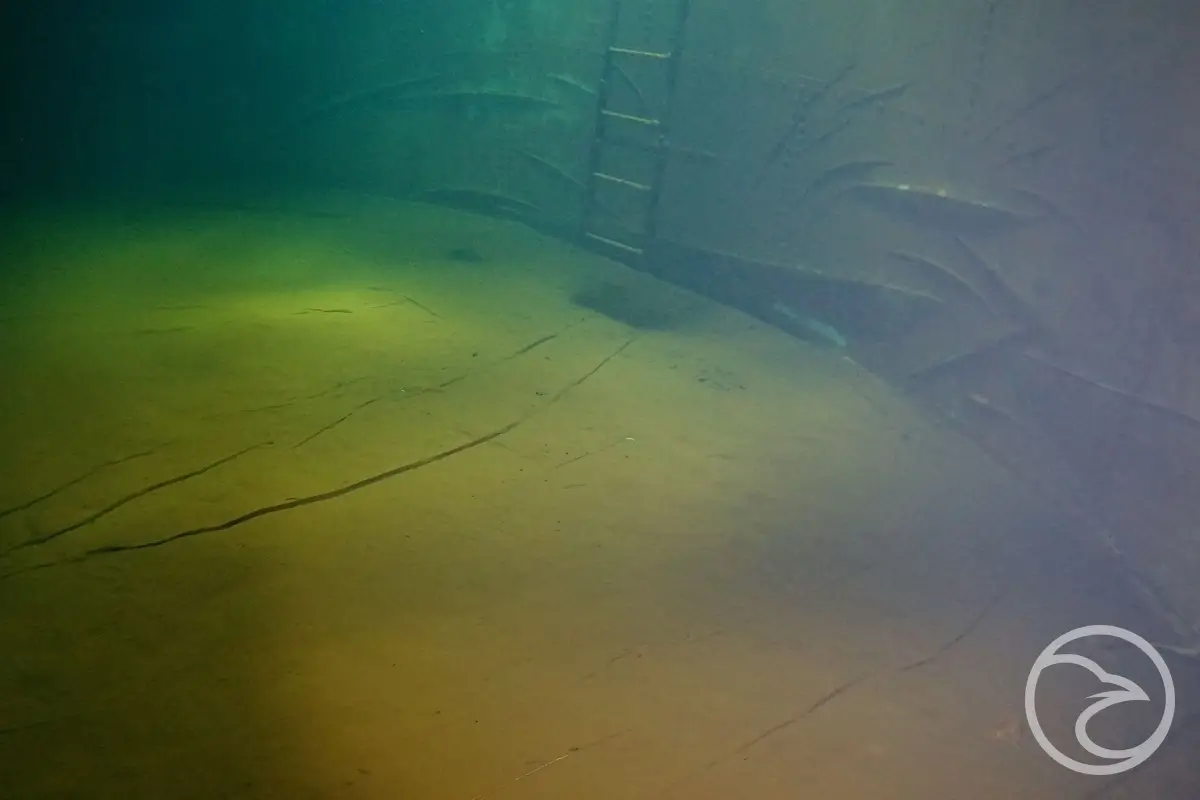
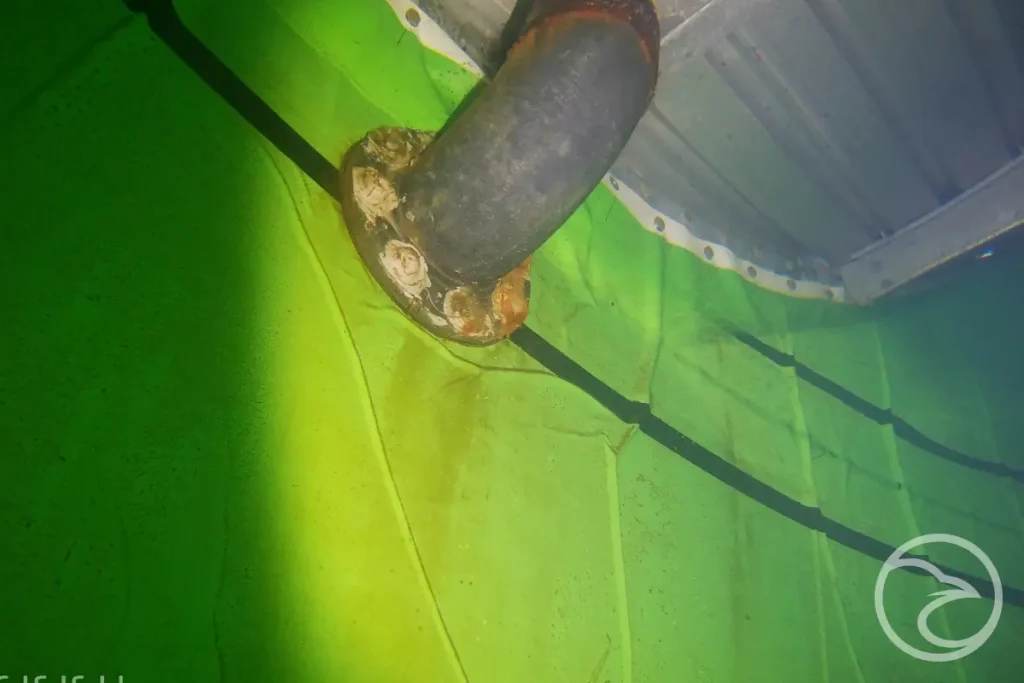
Facilities using rov drone inspections often improve access to difficult external inspection areas.
Better Visual Documentation
Modern drones can capture high-resolution images and video footage during inspections.
This visual data may help identify:
- Surface corrosion
- Roof damage
- Cracking
- Joint separation
- Coating deterioration
- Water pooling
Photographic records also improve inspection reporting consistency. Inspection images can later support maintenance planning or structural assessments.
Reduced Inspection Disruption
Some manual inspections require partial operational interruptions.
Drone-assisted inspections may reduce:
- Equipment setup time
- Access preparation
- Inspection downtime
- Operational interference
This can be especially useful for facilities operating continuously. Shorter inspection durations may also reduce overall site disruption.
Improved Safety During Inspections
Working at heights remains a significant safety concern during tank inspections.
Drone technology helps reduce direct exposure to:
- Elevated surfaces
- Slippery roof conditions
- Unstable access points
- Confined inspection areas
Although drones do not replace all inspection procedures, they can reduce the need for physical access in some situations. Safety improvements remain one of the main reasons facilities adopt drone-supported inspections.
Drones Can Detect Early Signs of Damage
Detailed aerial imagery may help inspectors identify developing structural concerns earlier.
Common observations include:
- Corrosion patterns
- Surface deformation
- Roof sagging
- Damaged coatings
- Drainage issues
- External staining
Early identification can support better long-term asset monitoring. It may also help facilities schedule repairs before larger defects develop.
Drone Inspections Still Have Limitations
Drone technology supports inspections, but it does not replace all assessment methods.
Some limitations include:
- Restricted internal inspections
- Limited underwater visibility
- Weather dependency
- Battery duration limits
- Access restrictions near certain structures
Certain defects may still require physical inspection or testing procedures. Inspectors often combine drone imagery with traditional inspection methods for more complete assessments.
Reporting and Data Collection Benefits
Drone systems can improve inspection reporting accuracy.
Many inspection programs now include:
- Aerial photographs
- Video recordings
- Digital inspection archives
- Comparative historical imagery
Historical visual records help inspectors monitor gradual deterioration over time. This can improve long-term condition tracking across large tank assets.
Drone Technology Supports Preventive Planning
Visual inspection data may help facilities identify concerns before major failures occur.
This supports:
- Preventive maintenance planning
- Risk reduction
- Asset management strategies
- Inspection scheduling
- Structural monitoring
Early detection often improves repair planning and reduces unexpected operational disruptions. Some facilities also use inspection findings to support broader compliance documentation and reporting programs.
Weather and Environmental Monitoring
Environmental exposure often affects external tank surfaces first.
Drone imagery may help identify weather-related issues such as:
- UV deterioration
- Surface erosion
- Storm damage
- Standing water
- Roof debris accumulation
Regular visual reviews can help facilities monitor environmental impacts more consistently.
The Future of Drone-Assisted Tank Inspections
Drone inspection technology continues improving across many industries.
New systems now support:
- Thermal imaging
- Automated flight paths
- 3D mapping
- High-resolution zoom imaging
- Digital inspection analytics
These tools may further improve inspection efficiency and reporting accuracy in the future. Many facilities already include drone-supported imaging within broader fire protection inspection programs.
Final Thoughts
Drone technology is changing how external fire tank inspections are performed. Improved access, enhanced safety, and detailed visual reporting highlight several important benefits of drone tank inspections during modern inspection programs.
While drones cannot replace all manual inspection procedures, they can improve efficiency and reduce access challenges for elevated structures.
As inspection technology continues evolving, drone-assisted assessments are likely to become more common across commercial and industrial fire protection systems.