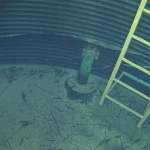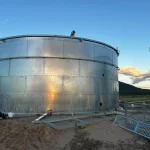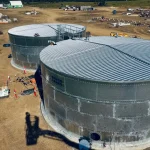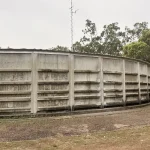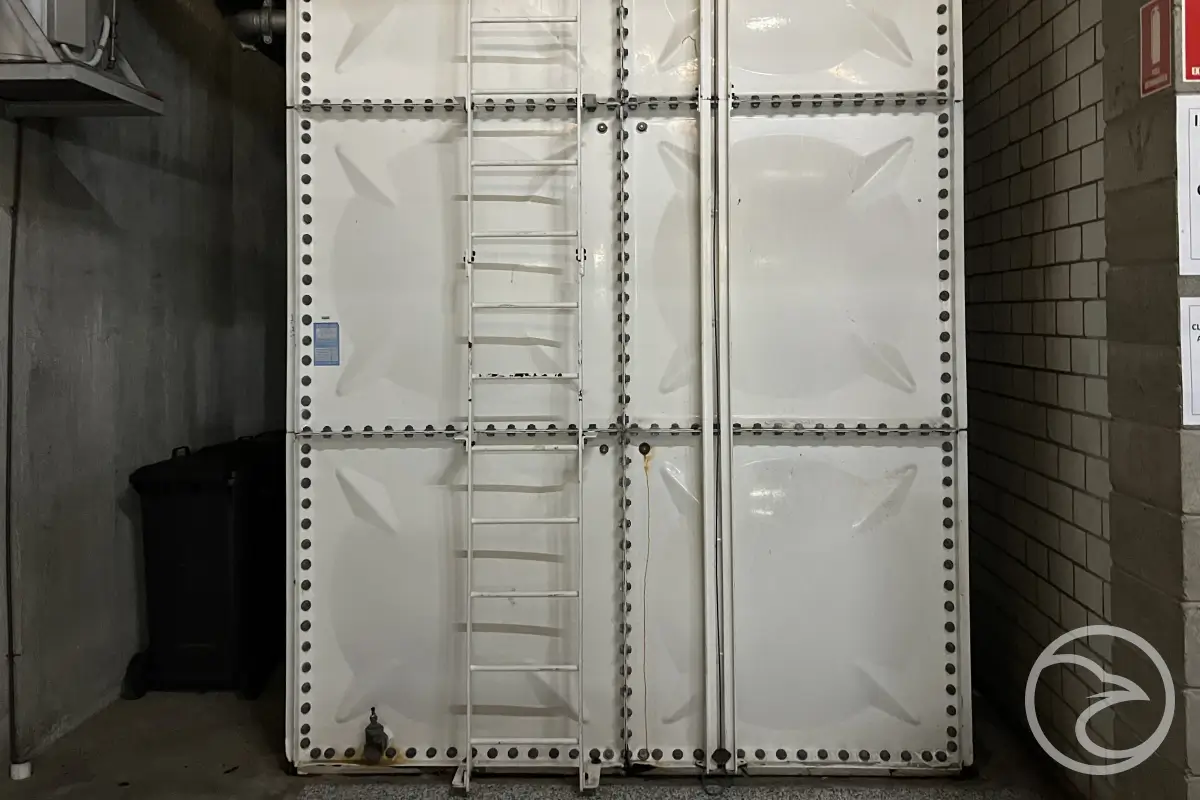
GRP water tanks are widely used in commercial and industrial facilities. They provide strong durability and reliable long-term water storage performance. However, even durable tank systems gradually experience wear over time. Environmental exposure and operational stress may affect structural condition.
Small defects can eventually develop into larger infrastructure problems. This may increase repair costs and reduce system reliability.
Recognizing early GRP tank repair signs helps facilities maintain safer and more efficient water storage systems.
Why GRP Water Tanks Deteriorate
GRP tanks are designed to resist corrosion and moisture damage. However, constant environmental exposure still affects material performance gradually. Temperature fluctuations place stress on tank surfaces and joints. Continuous water pressure may also weaken structural components over time.
Several factors contribute to GRP tank deterioration, including:
- UV exposure
- aging materials
- poor maintenance
- structural stress
- environmental conditions
Routine inspections help identify early warning signs before major damage develops.
Visible Cracks and Surface Damage
Surface cracks are one of the most common signs of deterioration. Small fractures may gradually expand under operational pressure. Damaged surfaces can reduce structural stability significantly. Moisture may also penetrate weakened areas more easily.
Common surface damage signs include:
- hairline cracks
- surface splitting
- blistering
- rough textures
- exposed fiberglass layers
Ignoring visible damage often increases long-term repair costs.
Water Leakage Around the Tank
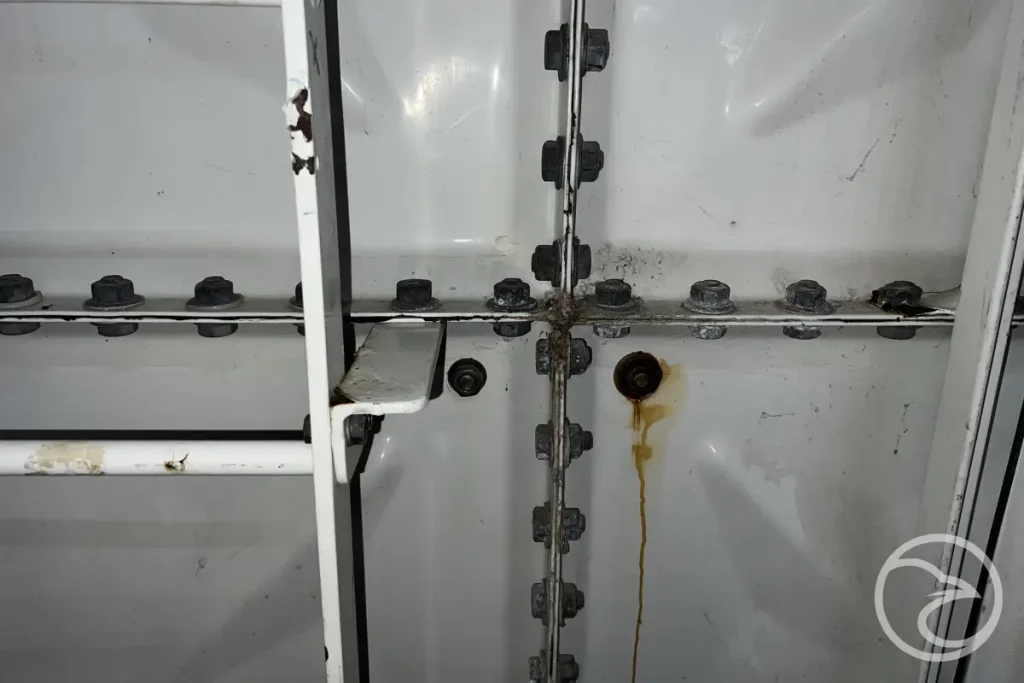
Leaks usually indicate developing structural problems inside the system. Even small leaks may signal larger hidden issues. Facility managers may notice moisture near tank walls or foundations. Persistent damp areas should always be investigated quickly.
Potential risks associated with leakage include:
- structural weakening
- water loss
- mold growth
- corrosion around fittings
- infrastructure deterioration
Regular inspections help identify problems early and reduce the need for major grp tank repairs.
Joint and Seam Deterioration
Tank seams and joints experience continuous operational stress. Over time, these areas may weaken or separate. Damaged joints can allow water penetration behind structural panels. This increases the risk of hidden moisture damage.
Common seam-related issues include:
- loose joints
- sealant failure
- lifting edges
- panel separation
- corner gaps
Professional inspections help detect these problems before severe leakage develops.
Discoloration and Surface Fading
Older GRP tanks may develop visible discoloration over time. Environmental exposure gradually affects protective surface coatings. Faded surfaces sometimes indicate material aging and reduced protection. UV exposure often accelerates this process.
Inspection teams frequently look for:
- faded surfaces
- uneven coloring
- chalky textures
- brittle coatings
- worn protective layers
These signs may suggest declining structural performance.
Changes in Tank Shape or Stability
Structural movement may indicate more serious tank problems. Panels under stress sometimes begin shifting or warping. Visible shape changes should always be assessed professionally. Ignoring these issues may increase structural failure risks.
Potential warning signs include:
- wall bowing
- uneven panels
- shifting supports
- unstable connections
- visible structural movement
Commercial water storage systems require stable structural performance at all times.
Increased Maintenance Requirements
Aging tanks often require more frequent repairs and inspections. Repeated maintenance may indicate underlying structural deterioration.
Maintenance teams may notice:
- recurring leaks
- repeated sealant repairs
- ongoing moisture problems
- structural instability
- surface deterioration
In many situations, proactive repairs reduce long-term operational costs.
Water Quality Concerns
Damaged tanks may eventually affect stored water conditions. Structural defects can increase contamination risks over time.
Potential water quality concerns include:
- sediment buildup
- bacterial growth
- moisture contamination
- unpleasant odors
- reduced storage reliability
Maintaining tank condition helps support cleaner and safer water storage operations.
Why Early Repairs Matter
Small structural problems rarely improve without intervention. Delaying repairs often increases infrastructure risks and maintenance costs.
Early repairs provide several operational advantages:
- reduced leakage risks
- lower repair expenses
- improved structural stability
- longer tank lifespan
- better system reliability
Preventive maintenance is usually more cost-effective than major restoration work.
Choosing the Right Inspection Strategy
Regular inspections help identify structural problems before they worsen. Inspection schedules should match environmental exposure and operational demands.
Professional inspections typically evaluate:
- panel condition
- joint stability
- moisture exposure
- structural movement
- surface deterioration
Consistent monitoring supports safer long-term tank performance.
Final Thoughts
GRP water tanks provide reliable long-term water storage performance. However, environmental exposure and aging eventually affect structural condition. Cracks, leaks, seam deterioration, and surface damage often indicate developing problems. Ignoring these warning signs may increase repair costs and operational risks.
Recognizing early GRP tank repair signs helps facilities maintain safer and more reliable commercial water storage systems. As infrastructure maintenance standards continue evolving, proactive inspections and timely repairs remain increasingly important.