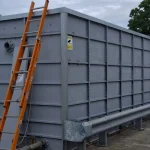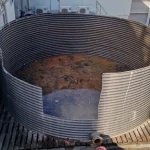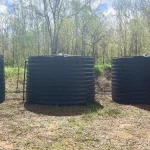
Fire protection systems rely heavily on dependable water storage infrastructure. Industrial facilities, commercial sites, and utilities must ensure that stored fire protection water remains secure, uncontaminated, and readily available during emergencies. This is where industrial fire storage waterproof lining plays a crucial role.
Waterproof lining solutions help prevent leaks, corrosion, and structural deterioration, ensuring reliable fire water storage over extended periods.
Why Waterproof Lining Matters in Fire Storage Systems
Fire storage tanks must maintain consistent water levels and structural integrity to ensure emergency readiness. Without proper lining, tanks may develop leaks, corrosion, or contamination risks.
Key reasons waterproof lining is essential include:
- Preventing water loss
- Protecting structural materials
- Maintaining fire system reliability
- Supporting regulatory compliance
Proper industrial fire storage waterproof lining helps ensure uninterrupted fire protection capability.
Common Lining Materials Used in Fire Storage Tanks
Various lining materials are used depending on tank type, environmental conditions, and operational requirements.
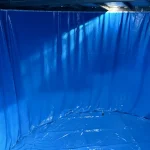
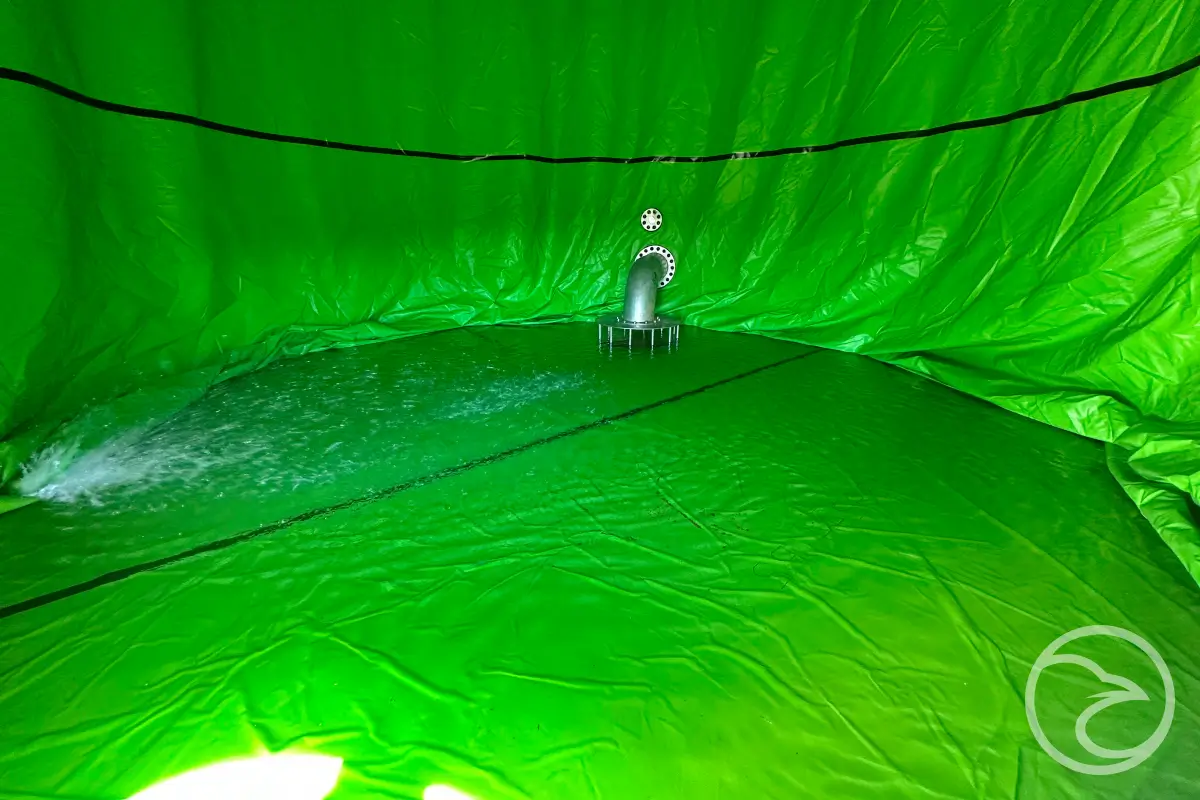
- Flexible Polymer Liners: Polymer liners are widely used due to their flexibility, corrosion resistance, and waterproof performance. They adapt well to different tank shapes and sizes.
- Coated Steel Linings: Specialized coatings applied to steel tanks provide waterproofing and corrosion protection. These systems are common in industrial fire water storage.
- Composite Lining Systems: Some facilities use advanced composite liners combining multiple protective layers for enhanced durability.
Material selection directly affects long-term industrial fire storage waterproof lining performance.
Benefits of Waterproof Liners for Fire Storage
Waterproof lining offers several operational advantages:
- Leak Prevention: Effective lining reduces the risk of water loss, ensuring tanks remain fully operational during emergencies.
- Corrosion Protection: Liners create a protective barrier between stored water and tank materials, extending structural lifespan.
- Improved Water Quality: Waterproof linings help prevent contamination from external elements or tank deterioration.
- Reduced Maintenance Costs: Protective liners reduce repair frequency and long-term maintenance expenses.
Proper infrastructure strategies often include durable water storage protection solutions for industrial fire systems.

Maintenance and Inspection Practices
Even high-quality liners require routine monitoring. Maintenance best practices include:
- Regular visual inspections
- Monitoring for leaks or wear
- Scheduled cleaning
- Documentation for compliance purposes
Consistent maintenance supports long-term performance and safety.
Compliance and Safety Considerations
Fire protection systems often fall under strict safety regulations. Waterproof lining helps facilities meet requirements related to:
- Water containment reliability
- Environmental protection
- Structural safety standards
- Fire readiness compliance
Understanding regulatory expectations helps facilities maintain safe operations.
Conclusion
Reliable fire water storage is essential for industrial safety and operational continuity. Industrial fire storage waterproof lining provides critical protection against leaks, corrosion, and structural deterioration.
With proper installation and maintenance, waterproof lining systems ensure fire storage tanks remain safe, compliant, and ready to perform when needed.