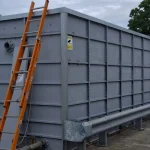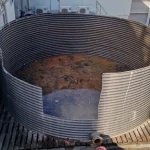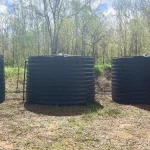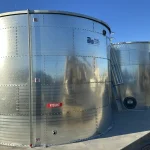
Modular water storage systems are widely used across industrial, commercial, and infrastructure projects due to their flexibility, scalability, and efficient installation. While these systems are designed for long-term operation, their actual service life depends on more than just the materials used or the original design specifications.
In practice, the lifespan of modular water storage systems is shaped by a combination of installation quality, operating conditions, environmental exposure, and ongoing maintenance. Understanding these factors helps asset owners maximise performance, reduce unplanned repairs, and extend the usable life of their storage infrastructure.
Installation Quality and Structural Alignment
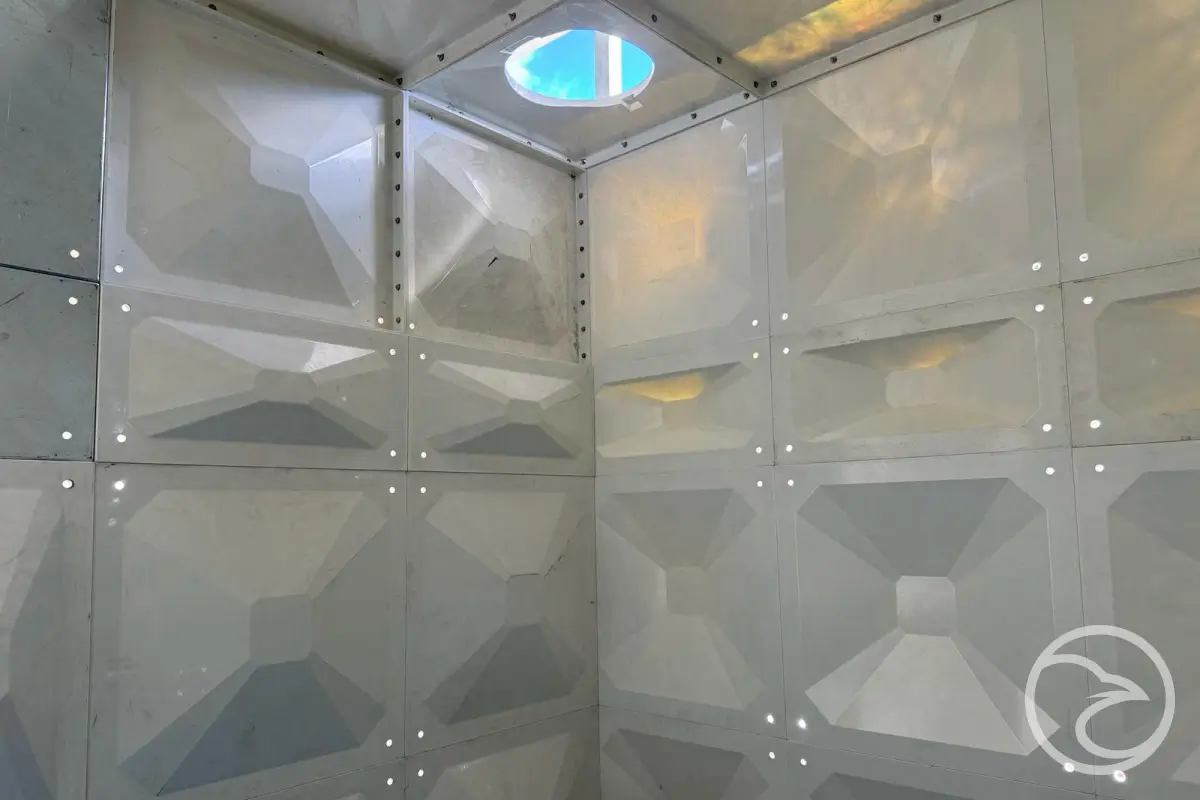
One of the most critical factors influencing system lifespan is how the tank is installed. Modular systems rely on precise panel alignment, correct base preparation, and consistent joint compression.
Poorly prepared foundations, uneven bases, or incorrect bolt torque can introduce long-term stress into the structure. Over time, these stresses may lead to joint movement, gasket fatigue, or localised deformation. Even high-quality modular systems can experience reduced service life if installation tolerances are not followed accurately.
Professional installation and verification during commissioning play a key role in ensuring long-term structural stability.
Internal Operating Conditions
The internal environment within a tank has a direct impact on durability. Water chemistry, sediment levels, and flow behaviour all influence how internal surfaces and joints perform over time.
Factors such as:
- high mineral content
- suspended solids
- stagnant zones
- inconsistent water turnover
can accelerate wear or create conditions that affect internal components. Sediment accumulation, in particular, can place uneven loads on the base and restrict proper circulation, gradually affecting overall system performance.
Maintaining stable internal conditions helps reduce stress on modular components and supports consistent operation.
Environmental Exposure
External environmental conditions are another major determinant of lifespan. Modular water storage systems are often installed outdoors and exposed to:
- ultraviolet radiation
- temperature fluctuations
- humidity and rainfall
- coastal or industrial atmospheres
Over time, these factors can affect external surfaces, seals, and fixings. Systems installed in harsh environments may experience accelerated ageing if exposure is not properly managed through material selection, protective finishes, and inspection planning.
Understanding the site environment allows for proactive measures that preserve long-term reliability.
Joint Integrity and Sealing Systems
Because modular systems rely on multiple panels and joints, sealing performance is essential. Gaskets and joint interfaces must maintain compression and flexibility throughout the tank’s service life.
Gradual changes such as bolt relaxation, thermal movement, or material ageing can affect joint integrity. While these changes often develop slowly, they can eventually lead to seepage or reduced structural efficiency if left unaddressed.
Regular assessment of joints and seals helps identify early signs of deterioration before they impact system operation.
Maintenance Frequency and Inspection Practices
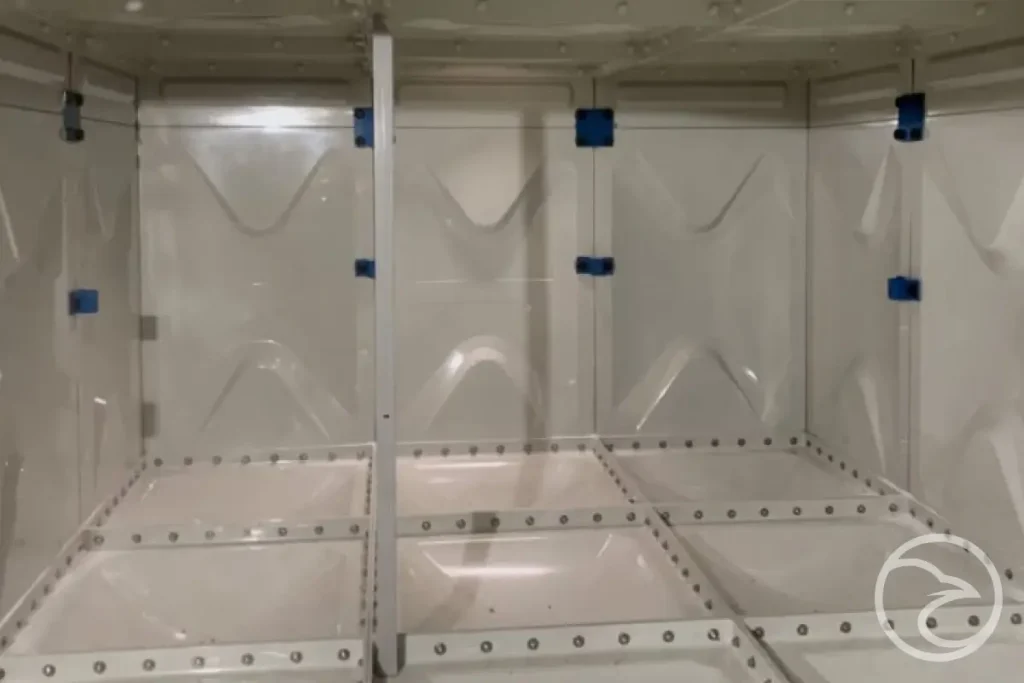
Routine maintenance is one of the most effective ways to extend the lifespan of modular water storage systems. Many performance issues develop gradually and remain unnoticed without scheduled inspections.
Effective maintenance programs typically include:
- visual external inspections
- internal condition assessments
- monitoring of sediment levels
- review of joints and fixings
Early detection allows minor issues to be managed before they escalate into costly repairs or operational interruptions. Facilities that implement structured inspection and maintenance practices consistently achieve longer system lifespans.
Operational Load and Usage Patterns
How a storage system is used also influences longevity. Tanks that experience frequent fill-and-drain cycles, variable water levels, or fluctuating pressure conditions may experience different stress patterns compared to static storage systems.
Fire reserve tanks, for example, often remain full for long periods, while process tanks may undergo regular cycling. Each usage pattern places unique demands on the structure and joints of a modular system.
Aligning design assumptions with actual operating conditions helps ensure that long-term performance expectations are realistic.
Conclusion
The lifespan of modular water storage systems is not determined by a single factor. Instead, it reflects the combined influence of installation quality, internal operating conditions, environmental exposure, joint performance, maintenance practices, and operational demands.
When these factors are properly managed, modular systems can deliver reliable service over extended periods with predictable performance. A proactive approach focused on installation accuracy, regular inspections, and condition monitoring is key to maximising long-term value and minimising lifecycle risk.
Understanding these lifecycle factors helps asset owners make informed decisions when planning, operating, or upgrading panel-based modular storage systems.