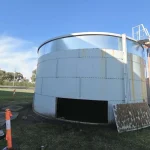
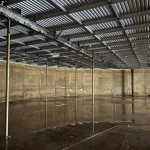
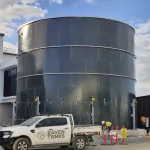
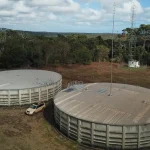
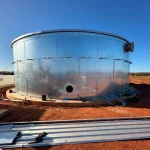
Stormwater detention tanks (OSD tanks) play a critical role in managing stormwater runoff, reducing flooding risks, and protecting local waterways from pollution. To ensure these systems perform efficiently and comply with regulatory standards, regular stormwater detention tank inspections are essential.
What is an On-Site Detention (OSD) Tank?
An On-Site Detention (OSD) tank is a stormwater management system designed to temporarily hold rainwater and slowly release it into the drainage network. This prevents excessive runoff during heavy rain, protecting both properties and public infrastructure. OSD tanks are commonly used in residential, commercial, and industrial developments.
Why Regular Stormwater Detention Tank Inspections are Important
Routine OSD Tank Inspection Services help identify and address issues before they cause system failure. Key benefits include:
- Regulatory compliance – Meeting local council and environmental requirements.
- Preventing blockages – Ensuring trash screens, grates, and pipes are free from debris.
- Maximising efficiency – Maintaining the designed water detention capacity.
- Reducing repair costs – Detecting wear and tear early.
What Inspectors Look For
During a stormwater detention tank inspection, professionals typically check:
- Structural integrity of the tank walls, lids, and access points.
- Condition of inlet and outlet pipes.
- Functionality of orifice plates, weirs, and flow control devices.
- Sediment build-up and debris accumulation.
- Signs of corrosion, cracks, or leaks.
OSD Tank Maintenance Best Practices
To keep your On-Site Detention tank in top condition:
- Schedule inspections at least annually, or more often in flood-prone areas.
- Clean trash racks and debris screens regularly.
- Remove sediment build-up to maintain capacity.
- Repair damaged components promptly to prevent costly replacements.

Professional OSD Tank Inspection Services
In Australia, many councils require a stormwater detention tank inspection report as part of ongoing compliance. Failure to maintain your OSD tank can lead to fines, legal issues, and increased flood risks.
Hiring qualified inspectors ensures thorough assessment and accurate reporting. These experts use advanced tools to detect hidden problems, helping you maintain your system’s performance year-round.
Conclusion
Well-maintained stormwater detention tanks are essential for effective water management and flood prevention. Regular inspections not only ensure compliance but also protect your property and the environment.
Contact us today at 1800 770 899 to schedule your professional OSD tank inspection and keep your system running at peak efficiency.