Water storage infrastructure must be designed to safely hold large volumes of water while remaining durable and hygienic over long periods. Many industrial facilities, commercial buildings, and municipal systems rely on sectional tank structures to achieve this reliability.
Understanding how stainless steel sectional tanks work helps explain why this type of water storage system is widely used in modern infrastructure. Their design allows large tanks to be assembled from smaller components while maintaining structural strength and leak protection.
What Stainless Steel Sectional Tanks are
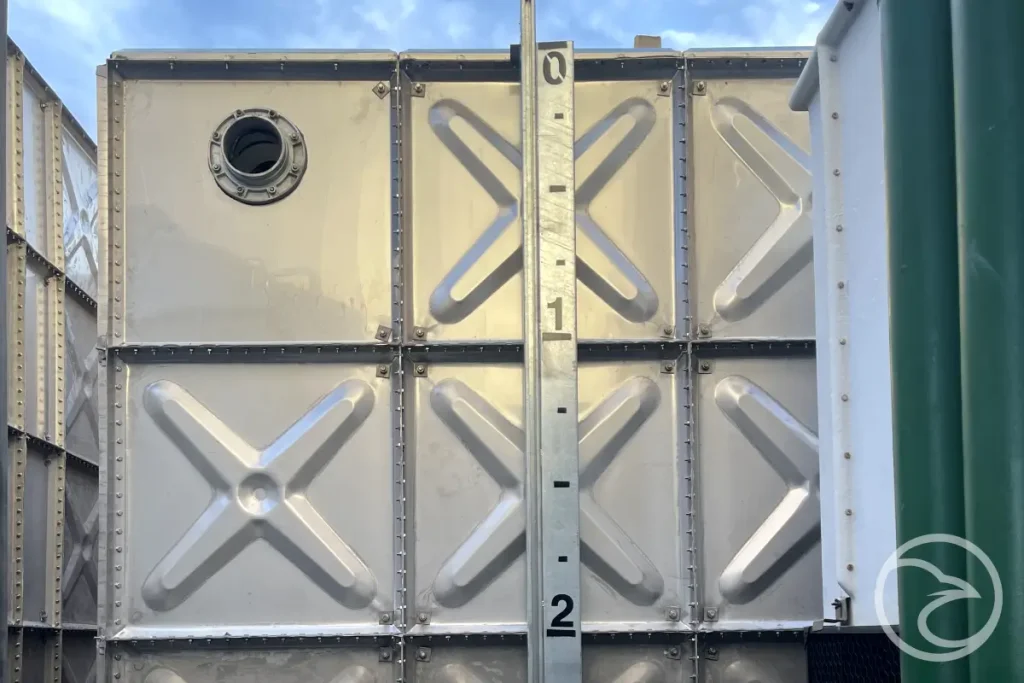
Stainless steel sectional tanks are water storage systems constructed from multiple steel sections that are joined together to form a complete tank structure. Instead of being manufactured as one large unit, the tank is built from individual panels or structural sections that are assembled on-site.
This design allows large water tanks to be installed even in locations where transporting a fully assembled tank would be difficult. The sectional construction also provides flexibility in tank size and capacity.
Stainless steel is commonly used for these systems because it offers excellent resistance to corrosion and maintains water quality. The material also provides high structural strength, which is important for tanks that must support significant water weight.
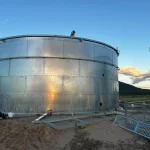
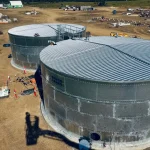
Large facilities often install sectional steel water storage systems to store significant volumes of water safely.
How Sectional Tank Structures are Designed
Sectional tank systems are designed so that each structural section works together to form a stable and sealed container. The tank structure typically includes walls, a base, a roof, and reinforced joints that connect all the components.
Each section is manufactured with precise dimensions so that it can be securely connected with neighboring sections. Once assembled, the individual components function as a single storage unit.
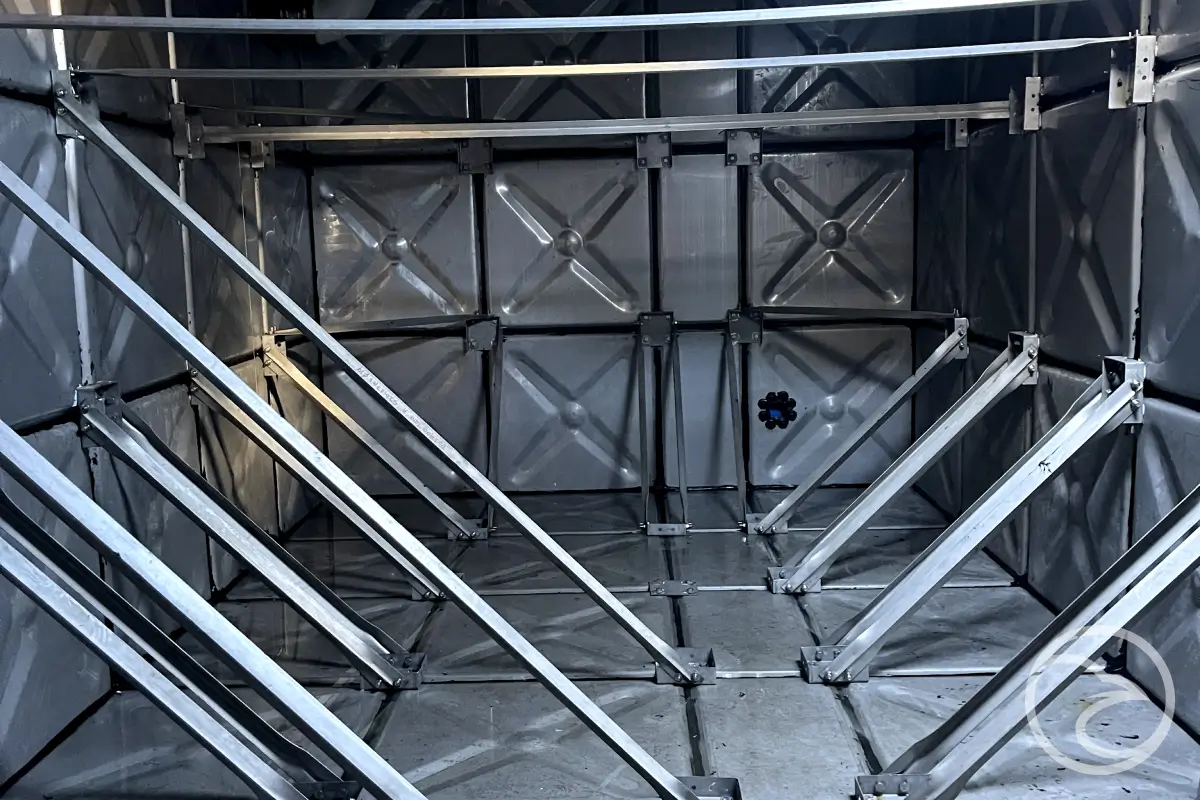
Structural reinforcement elements are often incorporated into the design to distribute the weight of the stored water evenly across the tank structure. This helps prevent deformation and maintains the long-term stability of the system.
Because the tank is assembled from sections, engineers can design storage systems with different shapes, heights, and capacities depending on the requirements of the facility.
How Stainless Steel Sectional Tanks Work
The operating principle of sectional tanks is relatively straightforward. The assembled structure forms a sealed container that stores water until it is needed for distribution or system use.
Several design features allow these tanks to function effectively in water storage applications.
Sectional assembly
The tank structure is created by joining multiple steel sections together using mechanical connections and sealing materials. These joints ensure that the individual sections remain securely connected while preventing water from escaping.
Once the sections are assembled, the tank behaves as a single integrated container capable of holding large volumes of water.
Structural support for water weight
Water storage tanks must support significant loads because water is heavy. The sectional structure distributes the weight of the stored water across the tank walls, base, and support framework.
Reinforced structural elements help maintain the tank’s shape and prevent excessive stress on individual sections.
This load distribution ensures that the tank remains stable during long-term operation.
Sealing and leak prevention
One of the most important aspects of sectional tank operation is maintaining a watertight structure. Specialized sealing materials are installed between sections to prevent water from leaking through joints.
These seals create a continuous barrier that keeps water contained within the tank. Proper installation and sealing are essential for ensuring reliable operation over time.
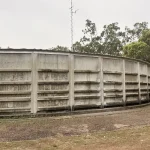
Properly designed stainless steel water storage tanks help maintain water quality and structural reliability.
Benefits of Stainless Steel Sectional Tanks
Several advantages make stainless steel sectional tanks suitable for many water storage applications.
One key benefit is corrosion resistance. Stainless steel naturally resists rust and chemical degradation, which helps maintain the integrity of the tank structure.
Another advantage is hygienic water storage. Stainless steel surfaces are smooth and resistant to contamination, making them suitable for applications where water quality must be maintained.
Sectional construction also allows flexible tank sizing. Because tanks are assembled from sections, engineers can design systems with capacities that match specific storage requirements.
In addition, the material provides long-term durability. Stainless steel structures can remain stable for decades when properly maintained. These characteristics make sectional tanks an effective solution for facilities that require reliable water storage systems.
Maintaining Stainless Steel Sectional Tanks
Like all water storage infrastructure, sectional tanks require periodic inspection and maintenance. Routine inspections help ensure that the tank structure remains sealed and structurally stable.
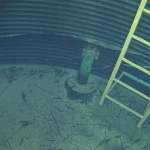
Maintenance activities may include checking seals, inspecting structural components, and verifying that the tank interior remains clean and free of damage.
Monitoring these elements helps identify potential issues early and ensures that the tank continues operating safely.
Understanding how stainless steel sectional tanks work helps illustrate why sectional tank construction is widely used in water storage infrastructure. Their durable materials, flexible design, and reliable sealing systems allow them to safely store large volumes of water while supporting long-term infrastructure needs.