Steel water tanks are widely used for municipal, industrial, agricultural, and fire protection systems. However, constant exposure to moisture, oxygen, and varying water chemistry makes steel highly vulnerable to corrosion. One of the most effective long-term solutions to this problem is the hot dip galvanising process, which provides durable and reliable corrosion protection for steel structures used in water storage.
What Causes Corrosion in Steel Water Tanks
Corrosion occurs when steel reacts with oxygen and moisture, forming iron oxide (rust). In water tanks, this process is accelerated by factors such as dissolved oxygen, fluctuating water levels, temperature changes, and sediment buildup. Over time, corrosion weakens tank walls, causes leaks, and can compromise water quality.
Unprotected or poorly coated steel tanks often require frequent maintenance or early replacement. This is why corrosion prevention is a critical consideration in tank design and material selection.
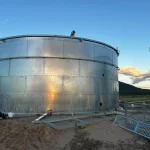
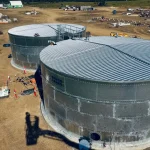
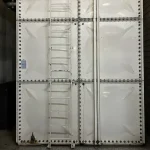
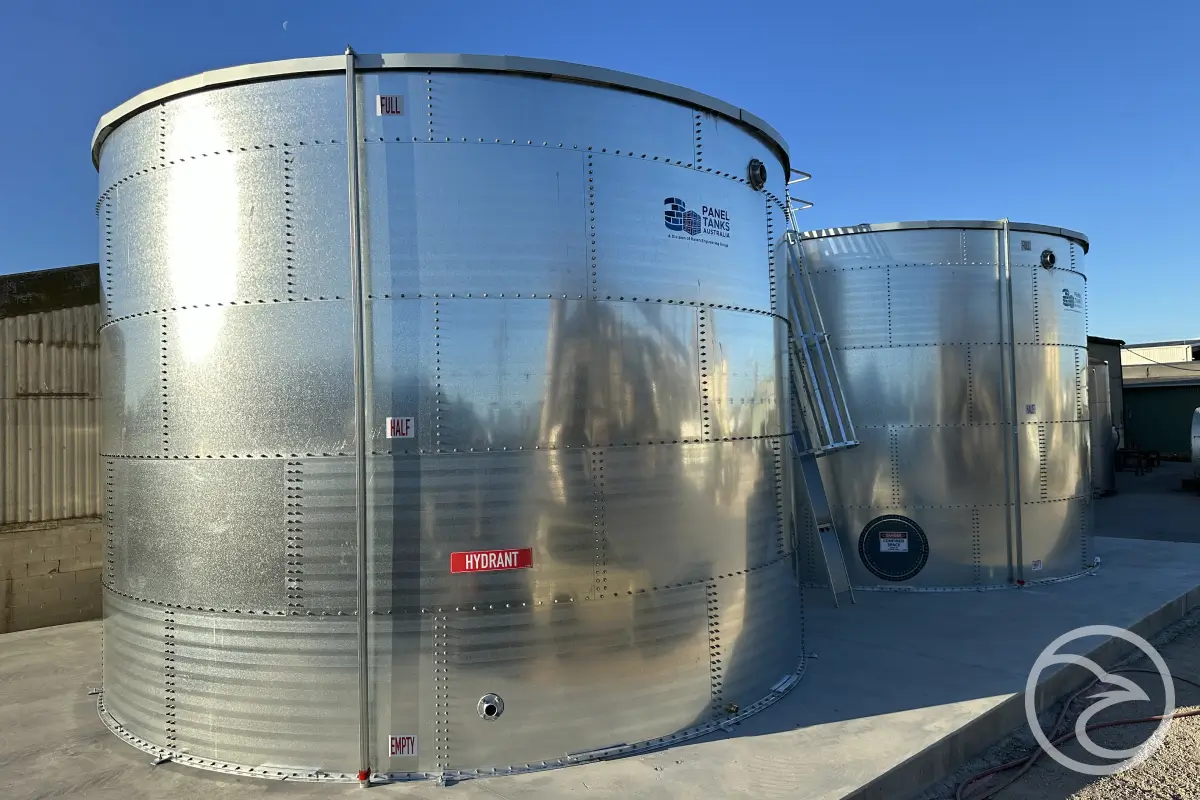
Hot-dip galvanised steel is commonly used in the construction of galvanised steel tanks for water storage, including sectional and panel-based designs.
What is the Hot Dip Galvanising Process
The hot dip galvanising process involves coating steel with a protective layer of zinc by immersing it in molten zinc at temperatures of approximately 450°C. Before immersion, the steel is thoroughly cleaned to remove oils, dirt, and oxides. This preparation ensures strong metallurgical bonding between the zinc and the steel surface.
During galvanising, zinc reacts with iron to form a series of zinc-iron alloy layers topped with pure zinc. This coating becomes an integral part of the steel rather than a surface film, which makes it highly resistant to mechanical damage and environmental exposure.
How Zinc Coating Prevents Steel Corrosion
Zinc protects steel in two key ways: barrier protection and cathodic protection. First, the zinc layer acts as a physical barrier that isolates steel from moisture and oxygen. Second, zinc is more chemically active than iron, meaning it corrodes preferentially. Even if the coating is scratched or damaged, the surrounding zinc continues to protect exposed steel.
This self-healing characteristic is especially important in water tanks, where minor abrasions can occur during installation, inspection, or cleaning. As a result, galvanised steel corrosion protection remains effective even in demanding operating conditions.
Galvanising vs Other Corrosion Protection Methods
Alternative corrosion protection methods include painting, epoxy coatings, and internal linings. While these options can be effective in specific applications, they typically rely on surface adhesion alone. Once damaged, they offer little to no ongoing protection.
In contrast, hot-dip galvanising forms a metallurgically bonded coating that does not peel or delaminate. It also provides uniform coverage across edges, corners, and internal surfaces, which are often weak points for painted systems. For steel water tanks, this translates into lower maintenance requirements and improved long-term reliability.
Why Hot-Dip Galvanising Extends Tank Lifespan
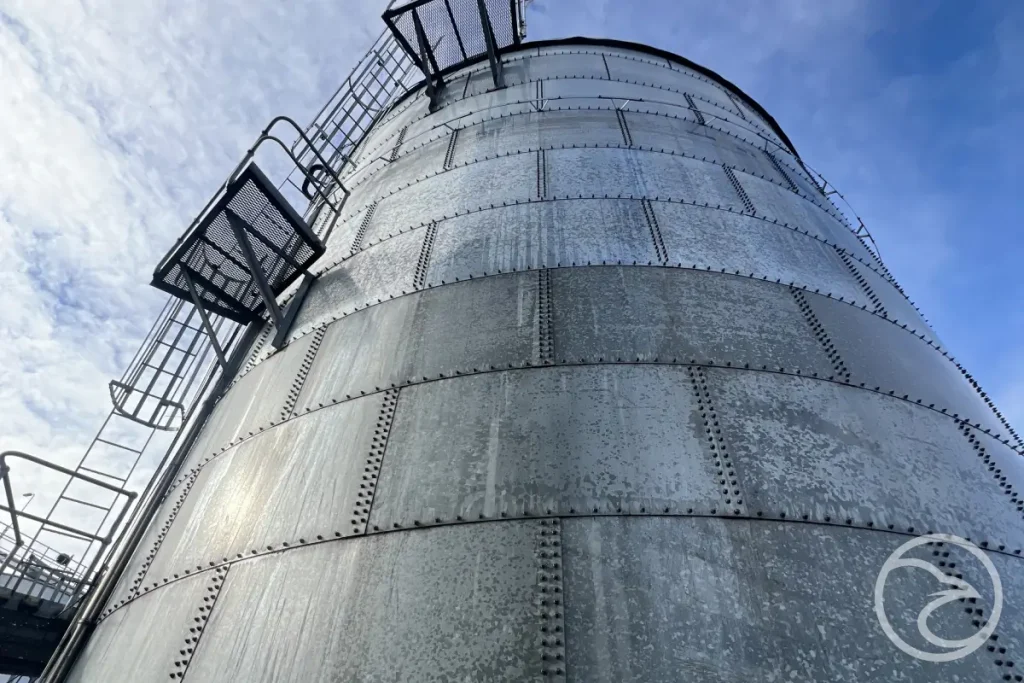
The thickness of the zinc coating achieved through hot dip galvanising is significantly greater than most alternative coatings. This thickness directly influences service life. In many environments, galvanised steel can provide decades of corrosion resistance without additional treatment.
For water storage applications, this extended lifespan reduces downtime, maintenance costs, and the risk of structural failure. It also supports consistent water quality by minimizing internal corrosion and rust contamination.
Conclusion
Corrosion is one of the primary threats to the performance and longevity of steel water tanks. By applying the hot dip galvanising process, steel gains a robust, long-lasting defense against moisture, oxygen, and environmental stress. Through barrier and cathodic protection, zinc coatings significantly extend tank lifespan and reduce maintenance demands.
For water storage systems where durability and reliability are essential, hot-dip galvanising remains one of the most effective corrosion protection technologies available.