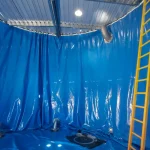
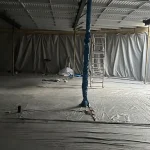
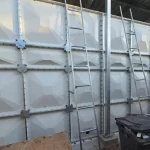
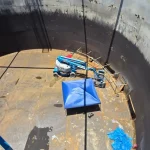
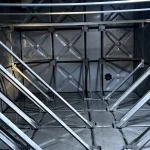
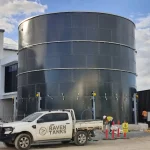
Stormwater detention infrastructure plays a critical role in modern urban water management. These systems temporarily store excess rainwater, reducing peak runoff, protecting drainage networks, and helping prevent localized flooding. However, like any engineered structure, detention infrastructure has a lifecycle shaped by environmental conditions, maintenance practices, and structural design.
Understanding how these systems evolve over time helps facility owners, engineers, and planners anticipate potential issues and extend operational efficiency.
Initial Design and Installation Phase
The lifecycle begins long before water ever enters the system. Proper design considers rainfall intensity, site topography, soil conditions, and expected runoff volumes. Material selection is equally important — concrete, steel, modular panel systems, or composite structures each behave differently over time.
During installation, construction quality strongly influences longevity. Small defects such as improper sealing, alignment issues, or inadequate drainage integration can later develop into performance limitations. Early precision typically translates into fewer operational challenges.
Early Operational Years: Stabilization Period
Once operational, detention infrastructure usually performs at optimal efficiency during its early years. Structural components remain intact, hydraulic capacity is fully available, and sediment accumulation is minimal.
This period often creates a false sense of permanence. Because systems function smoothly, monitoring may become less frequent. Yet environmental exposure, water chemistry, and changing land use patterns gradually start affecting performance behind the scenes.
Mid-Lifecycle Changes: Accumulation and Wear
As years pass, natural processes begin influencing efficiency. Sediment carried by stormwater slowly accumulates inside detention systems. Organic matter, debris, and fine particles can reduce effective storage capacity and alter flow dynamics.
Material ageing also becomes noticeable. Coatings may deteriorate, joints experience stress cycles, and structural elements face repeated wet-dry exposure. Temperature fluctuations and chemical contaminants can accelerate these changes.
At this stage, periodic evaluation becomes valuable. For example, Stormwater Tank Inspections may be referenced within broader asset management programs to understand how infrastructure is evolving rather than to address immediate faults.
Late Lifecycle: Performance Variability
Later lifecycle stages often involve more visible performance shifts. Reduced storage volume, slower discharge rates, or minor structural degradation can emerge. These changes do not necessarily indicate failure but reflect the cumulative impact of operational conditions.
Environmental factors play a major role here. Increased urbanization can raise runoff volumes beyond original design assumptions. Climate variability may also intensify rainfall patterns, placing additional pressure on detention infrastructure.
Adaptive management strategies — such as sediment removal planning, structural assessments, or hydraulic recalibration — help maintain reliability without necessarily requiring major reconstruction.

Factors Influencing Infrastructure Longevity
Several variables shape how long detention systems perform effectively:
- Material durability — corrosion resistance, structural flexibility, and coating quality matter.
- Water quality — pollutants and chemical exposure can accelerate wear.
- Maintenance consistency — regular observation supports early intervention.
- Environmental exposure — temperature, humidity, and debris loads affect performance.
- Design adaptability — systems designed with future expansion in mind often last longer.
Recognizing these factors allows infrastructure managers to make informed lifecycle decisions.
Extending Functional Lifespan
Lifecycle extension rarely depends on a single intervention. Instead, it results from consistent monitoring, data-driven planning, and proactive adaptation to changing environmental conditions.
Preventive strategies typically include:
- Monitoring sediment accumulation trends
- Tracking structural condition over time
- Reviewing hydraulic performance periodically
- Adjusting operational strategies as land use evolves
Such approaches help maintain system effectiveness while avoiding unnecessary disruption.
Long-Term Perspective on Stormwater Infrastructure
Stormwater detention infrastructure is not static. It evolves continuously under environmental, operational, and structural influences. Viewing these systems through a lifecycle perspective helps shift focus from reactive maintenance toward strategic asset stewardship.
A broader overview of inspection approaches used for stormwater infrastructure can provide additional context on how these systems are typically evaluated over time.
By understanding how performance changes over time, stakeholders can support resilient urban water management while preserving infrastructure value for decades.