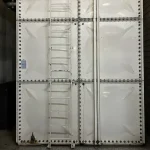
Fire water storage are a critical component of fire protection systems in Australia. To remain compliant with regulations and standards, these tanks must meet specific operational and condition requirements throughout their service life. A fire tank compliance checklist helps building owners and facility managers understand what should be monitored to support ongoing compliance.
This article outlines the key compliance areas commonly reviewed during fire tank inspections and explains why each item matters.
What is a Fire Tank Compliance Checklist?
A fire tank compliance checklist is a reference tool used to identify whether a fire water storage tank meets regulatory and standard-based requirements. It does not replace formal inspections but helps stakeholders understand what elements are typically assessed.
In Australia, fire tank compliance is influenced by several standards and regulatory frameworks. These include design standards, installation requirements, and ongoing inspection obligations. A checklist brings these considerations together in a practical format.
Structural Condition of the Fire Tank
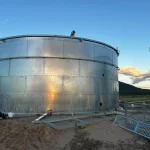
Structural integrity is a fundamental compliance requirement. The tank must be capable of safely storing the required volume of water without risk of failure.
Key aspects commonly reviewed include:
- condition of tank walls, floor, and roof
- signs of corrosion, cracking, or deformation
- condition of panels, joints, and fixings
Structural deterioration can reduce reliability and may indicate non-compliance if left unaddressed.
Tank Integrity and Watertightness
Fire tanks must remain watertight to ensure the full design volume of water is available when required. Loss of water through leaks can compromise system performance.
A compliance checklist typically considers:
- evidence of active or historical leaks
- condition of seals, liners, or joints
- signs of water loss that affect usable capacity
Maintaining integrity supports both compliance and operational readiness.
Fire Water Capacity and Availability
Compliance is not limited to tank condition alone. The tank must also provide sufficient usable water volume for the connected fire protection systems.
Checklist considerations include:
- confirmation of required fire water volume
- accessibility of outlets and connections
- absence of obstructions that reduce effective capacity
Reduced capacity may result in non-compliance even if the tank structure appears sound.
Access, Safety, and Identification
Fire tanks must be safely accessible for inspection and emergency use. Compliance requirements often extend to access provisions and identification features.
Items commonly reviewed include:
- safe access points and ladders
- secure covers and hatches
- appropriate signage and tank identification
These elements support both regulatory compliance and safe operation.
Water Quality and Internal Condition
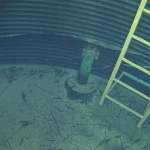
While fire tanks are not potable water assets, internal conditions can still affect system performance. Sediment build-up or debris may interfere with outlets, pumps, or valves.
A fire tank compliance checklist may include:
- presence of excessive sediment
- internal obstructions near outlets
- general internal cleanliness affecting functionality
Monitoring internal condition helps reduce long-term risk.
Documentation and Record Keeping
Compliance relies heavily on accurate documentation. Records demonstrate that inspections have been carried out and that issues have been identified and managed.
Key documentation typically includes:
- inspection records and reports
- maintenance history
- evidence of corrective actions where required
Incomplete or missing records can create compliance gaps, even when the physical condition of the tank is acceptable.
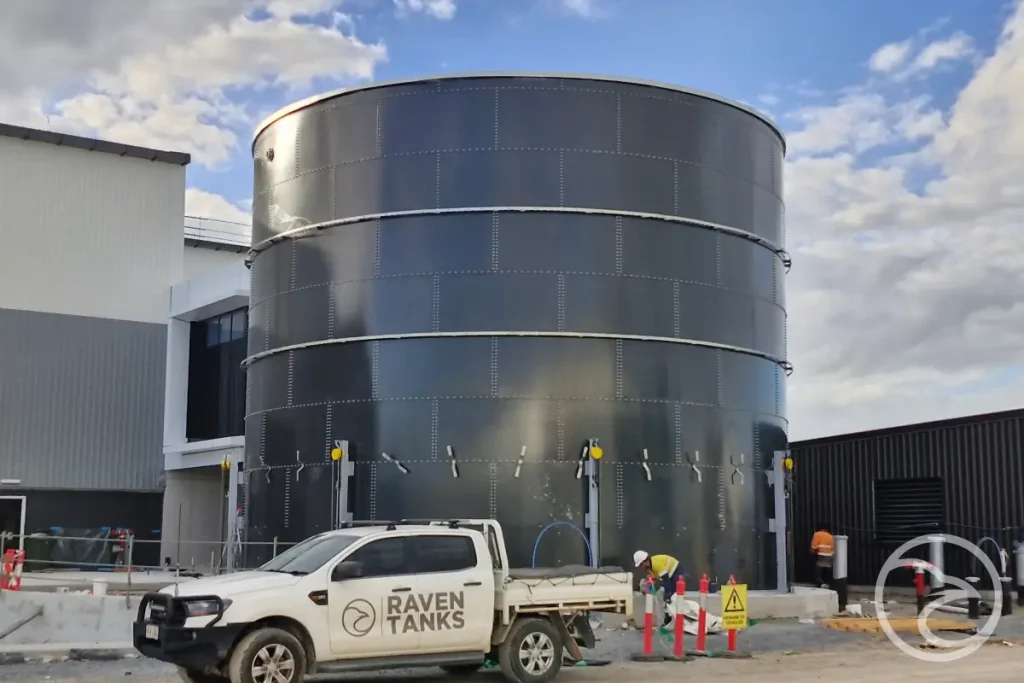
Relationship Between Checklists and Formal Inspections
A fire tank compliance checklist is an informational tool. It helps stakeholders understand what is reviewed, but it does not replace formal inspections carried out under Australian Standards.
Routine inspections performed in accordance with AS 1851 confirm whether fire tanks continue to meet compliance requirements over time. More detailed information on inspection requirements under AS 1851 can be found on the dedicated inspection service page.
Conclusion
A fire tank compliance checklist provides valuable insight into the key areas that influence regulatory compliance and system reliability. By understanding these requirements, facility managers and asset owners can better prepare for formal inspections and manage fire protection assets responsibly.
Regular review of tank condition, integrity, capacity, safety features, and documentation supports long-term compliance and reduces the risk of unexpected issues.