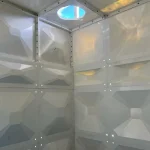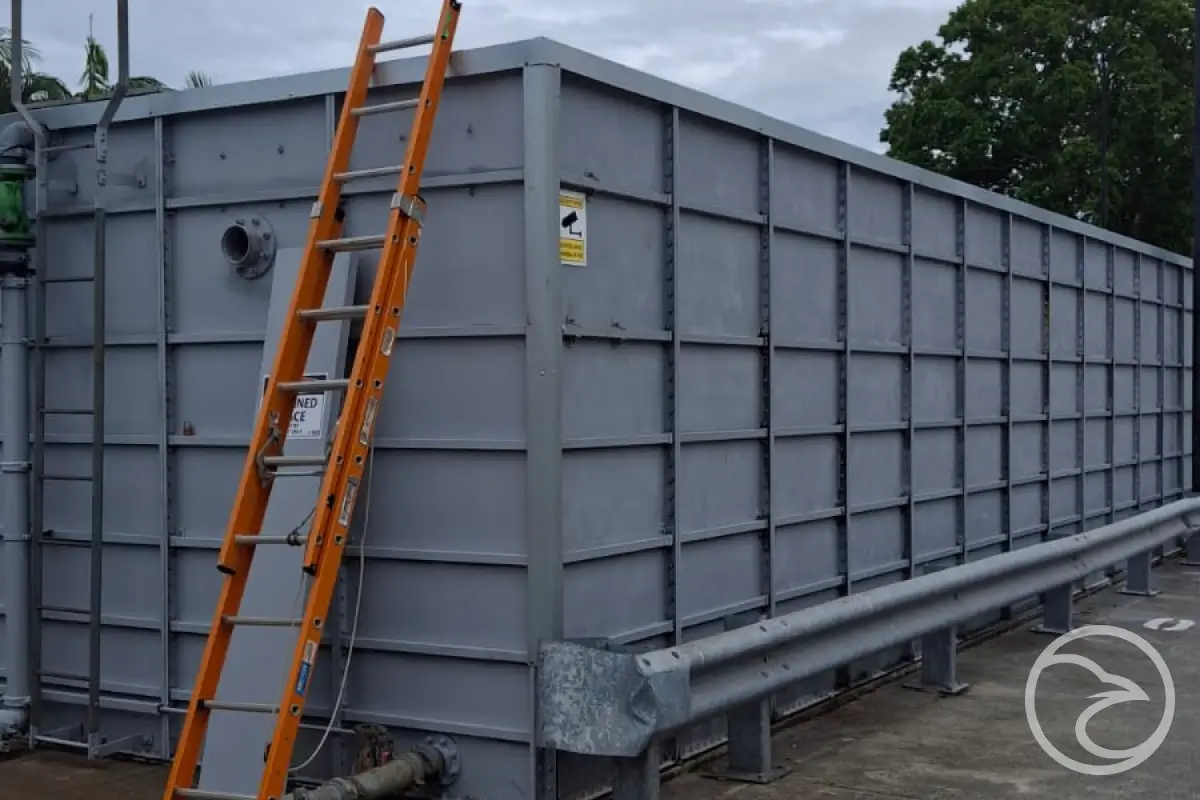
Sectional water tanks are widely used in industrial, commercial, and municipal water storage systems. Their modular construction allows tanks to be assembled from individual panels directly on site, making transportation, installation, and future expansion more flexible compared to single-piece tanks. One of the most important aspects of these systems is the material used for the panels.
Understanding sectional water tank materials helps provide general insight into water storage technologies and operational considerations.
What are Sectional Water Tanks?
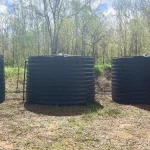
Sectional water tanks, sometimes called modular tanks, are built from prefabricated panels that are bolted or fixed together during installation. This design allows tanks to be customized in size and shape depending on project requirements.
These tanks are commonly used for potable water, fire protection reserves, process water, and other storage applications. Material selection typically depends on environmental conditions, regulatory requirements, and specific operational needs.
Common Materials Used in Sectional Water Tanks
Several materials are commonly used in modular tank construction. Each material has particular characteristics that may suit different operational contexts.
Glass Reinforced Plastic (GRP)
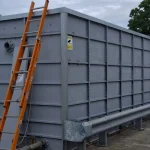
Glass reinforced plastic is a composite material made from glass fibers embedded in a polymer resin. It is often used in water storage systems because of its corrosion resistance and relatively lightweight structure.
GRP panels are used across various industries and infrastructure projects. Their structural stability and adaptability to different climates make them a common option in modular tank design.
Composite materials are increasingly referenced in modular water storage discussions due to their resistance to corrosion and environmental exposure.
Hot-Dip Galvanised Steel
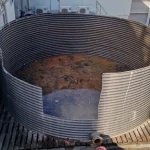
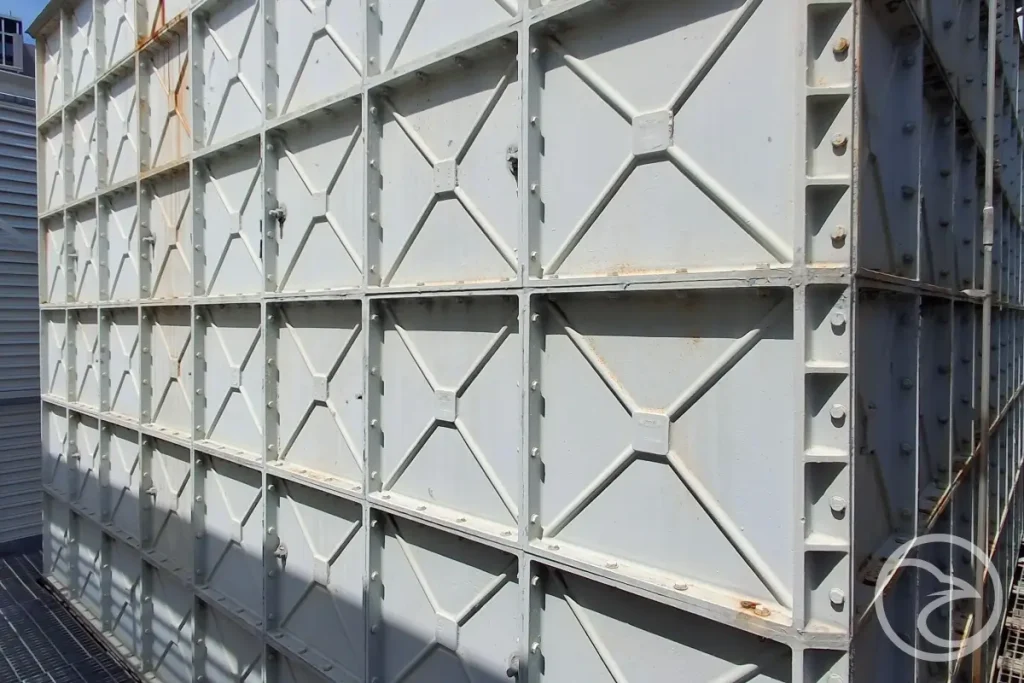
Galvanised steel panels are produced by coating steel with zinc to help reduce corrosion. This material has been used for water storage applications for many years, particularly in industrial and commercial environments.
Performance characteristics may vary depending on coating thickness, environmental exposure, and maintenance practices. As with many construction materials, proper installation and inspection are important factors in long-term performance.
Stainless Steel
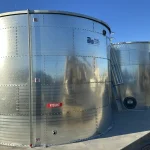
Stainless steel is known for its hygienic properties and resistance to corrosion. Because of this, it is often associated with potable water storage or environments where cleanliness standards are important.
The material also offers strong structural integrity and stability across varying temperature conditions, which can be beneficial in different climates or operational settings.
Factors Influencing Material Selection
The choice of sectional water tank material typically depends on multiple project-specific considerations rather than a single factor. These may include:
- Environmental conditions: Humidity, temperature variations, or chemical exposure may affect material performance.
- Regulatory requirements: Certain applications, particularly potable water storage, may involve specific compliance standards.
- Tank capacity and configuration: Size and layout can influence structural design choices.
- Installation logistics: Site access, transport limitations, and installation methods may also play a role.
These aspects are usually evaluated together during the planning stage of water storage projects.
Why Understanding Tank Materials Matters
Having general knowledge about sectional water tank materials can support better awareness of maintenance requirements and operational considerations. Different materials may respond differently to weather conditions, ultraviolet exposure, or water chemistry.
Understanding the material can also help with:
- planning routine inspections;
- estimating service life expectations;
- meeting safety and regulatory guidelines;
- understanding maintenance or refurbishment needs.
Conclusion
Sectional water tanks can be manufactured from a range of materials, including composite panels, galvanised steel, and stainless steel. Each material has distinct characteristics and potential applications depending on environmental, operational, and regulatory factors.
A general understanding of sectional water tank materials helps provide context for modern water storage solutions without focusing on specific product selection. This broader perspective supports informed discussions about water infrastructure and long-term system performance.