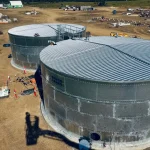
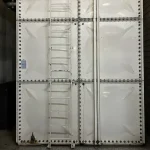
Fire tank condition monitoring is an essential part of managing fire protection systems in Australian facilities. Fire water storage tanks must remain reliable over time to ensure that sufficient water is available during an emergency. Monitoring tank condition helps identify deterioration early and supports long-term public safety.
This article explains what fire tank condition monitoring involves, why it matters, and how it fits into broader fire safety obligations.
What is Fire Tank Condition Monitoring?
Fire tank condition monitoring refers to the ongoing observation and assessment of a fire water tank’s physical and operational condition. Rather than focusing on one-off checks, monitoring is a continuous process that tracks changes over time.
Condition monitoring may include visual observations, review of inspection findings, and assessment of known risk factors such as corrosion, leakage, or sediment build-up. Its purpose is to detect early signs of deterioration before they affect system performance.
Why Condition Monitoring is Important
Fire tanks operate in challenging environments. Exposure to water, temperature changes, and ageing materials can gradually affect tank integrity. Without monitoring, issues may remain unnoticed until they become serious.
Effective fire tank condition monitoring helps:
- identify deterioration at an early stage
- reduce the risk of sudden tank failure
- support consistent fire system readiness
- protect occupants and surrounding infrastructure
By understanding how tank condition changes over time, facility managers can make informed decisions about maintenance and risk management.
Key Areas Reviewed During Condition Monitoring
Fire tank condition monitoring focuses on several critical areas that influence performance and safety.
Structural Condition
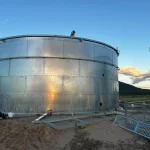
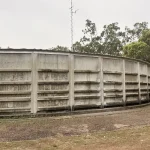
Monitoring includes awareness of changes to tank walls, floors, roofs, and joints. Cracking, deformation, or corrosion may indicate a loss of structural integrity that requires attention.
Tank Integrity and Leakage
Loss of watertight integrity can reduce usable fire water volume. Monitoring helps identify trends such as recurring water loss or moisture patterns that may signal developing leaks.
Internal Condition
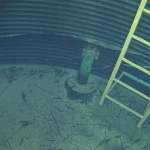
Sediment accumulation, debris, or internal obstructions can interfere with outlets and connected fire systems. Monitoring internal conditions supports early intervention before functionality is affected.
Relationship Between Condition Monitoring and Compliance
Fire tank condition monitoring supports compliance but does not replace formal inspection requirements. Australian fire safety obligations require that fire protection systems are inspected and assessed in line with relevant standards.
Monitoring provides context and historical insight that complements inspections carried out under applicable standards. It helps ensure that issues identified during inspections are understood within a broader condition trend, rather than viewed in isolation.
To understand the requirements that govern these inspections, see inspection requirements defined by AS 1851.
Fire Tank Condition Monitoring and Public Safety
Public safety depends on the reliability of fire protection systems. Fire tanks that deteriorate without detection may fail to supply adequate water during an emergency, increasing risk to occupants and emergency responders.
Condition monitoring supports public safety by:
- reducing the likelihood of system failure
- improving preparedness for fire events
- supporting timely corrective actions
- maintaining confidence in fire protection infrastructure
In facilities with high occupancy or critical operations, monitoring plays a particularly important role in risk reduction.
Using Condition Monitoring for Asset Management
Beyond safety, fire tank condition monitoring supports long-term asset management. Understanding the condition of a fire tank over time helps facility managers plan maintenance, budget for future works, and avoid unplanned disruptions.
Monitoring data can also support engineering assessments and inform decisions about refurbishment, lining, or replacement when required.
Conclusion
Fire tank condition monitoring is a proactive approach to managing fire water storage systems. By tracking changes in tank condition over time, facility managers can identify risks early and support both public safety and compliance obligations.
While formal inspections remain essential, condition monitoring provides valuable context that strengthens fire protection system management. Together, these practices help ensure that fire tanks continue to perform their critical role when they are needed most.