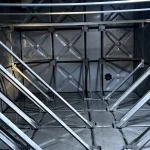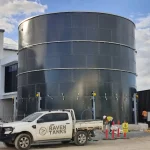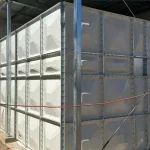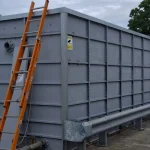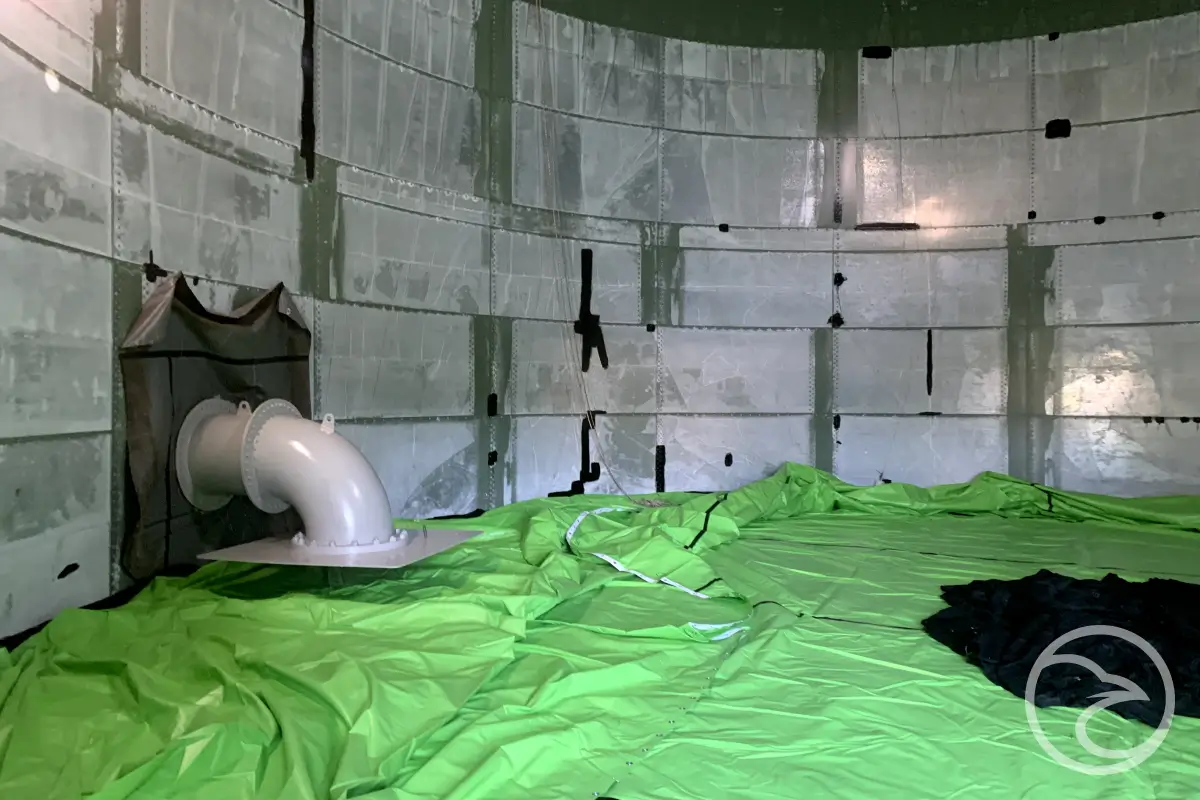
Proper tank liner maintenance is essential for keeping storage systems safe, reliable, and operating at peak performance. A well-maintained liner protects the tank structure, prevents leaks, and helps maintain the quality of the stored liquid. Regular inspection and care can significantly extend the lifespan of your liner and reduce unexpected repair needs.
Why Tank Liner Maintenance is Important
Tank liners act as a protective barrier between the tank walls and the stored liquid. Over time, exposure to water, sediment, chemicals, and environmental conditions can cause wear. Without consistent inspection and maintenance, small issues can turn into leaks, contamination risks, or structural damage.
Routine care helps you:
- detect early signs of deterioration
- prevent costly tank failures
- maintain safe storage conditions
- extend the overall service life of the liner
How to Inspect Your Tank Liner
Follow these steps to ensure a thorough inspection:
1. Start with Visual Observation
Before entering or cleaning the tank, begin with a simple visual check. Look for bulges, deformation, rust on the exterior structure, or any signs that internal liner pressure may be affected.
2. Ensure Safe Conditions Inside the Tank
If an internal inspection is required, confirm that the tank atmosphere is safe. Proper ventilation is essential before anyone enters, especially in enclosed spaces where gases may accumulate.
3. Clean the Interior Surface
Remove water, sediment, and other residues from the tank. Cleaning helps reveal hidden cracks or weakened areas on the liner surface. Use tools and cleaning agents that are compatible with liner materials — avoid abrasive chemicals that could cause damage.
4. Inspect the Liner Surface
Check the interior for:
- wrinkles or blistering
- punctures or abrasions
- thinning or soft areas
- chemical or UV damage
Even minor imperfections can grow over time if they are not addressed.
5. Document and Monitor Changes
Take photos and notes during each inspection. Tracking changes over time helps identify recurring issues and plan future maintenance more effectively.
Maintenance Tips to Extend Liner Life
Good maintenance practices can significantly improve liner performance:
- Keep the tank clean and free of debris.
- Avoid sharp tools that can accidentally puncture the liner.
- Use gentle cleaning solutions recommended for your liner type.
- Inspect after major weather events or periods of heavy use.
- Recoat protective surfaces when signs of UV or chemical wear appear.
Small, consistent actions can prevent larger structural problems. To complement this topic, we also provide an overview of core tank maintenance concepts.

When to Seek Professional Assessment
If you notice severe damage, irregular wear patterns, or conditions that make inspection unsafe, a professional assessment is recommended. Specialists can evaluate the liner’s condition, identify hidden weaknesses, and advise on repair or replacement options.
Conclusion
Effective tank liner maintenance involves regular inspection, proper cleaning, and proactive care. By following a structured maintenance routine, you can prevent premature damage, avoid costly disruptions, and ensure the long-term reliability of your storage system. With the right approach, a tank liner can perform safely and efficiently for many years.